
🎬 MURDER AT FROST POINT (2026)
January 17, 2026
🎬 MURDER AT FROST POINT (2026)
Murder at Frost Point opens with a chilling sense of isolation that immediately pulls the audience into its icy grip. Set in a remote coastal town buried under snow and secrets, the film establishes an atmosphere where silence feels dangerous and every glance hides suspicion. The opening act moves deliberately, allowing the setting to become a character of its own. The cold isn’t just environmental—it seeps into the relationships, the dialogue, and the pacing. From the first crime scene, the film signals that this will be a slow-burning mystery rather than a fast-paced thriller. That patience pays off as tension steadily builds.
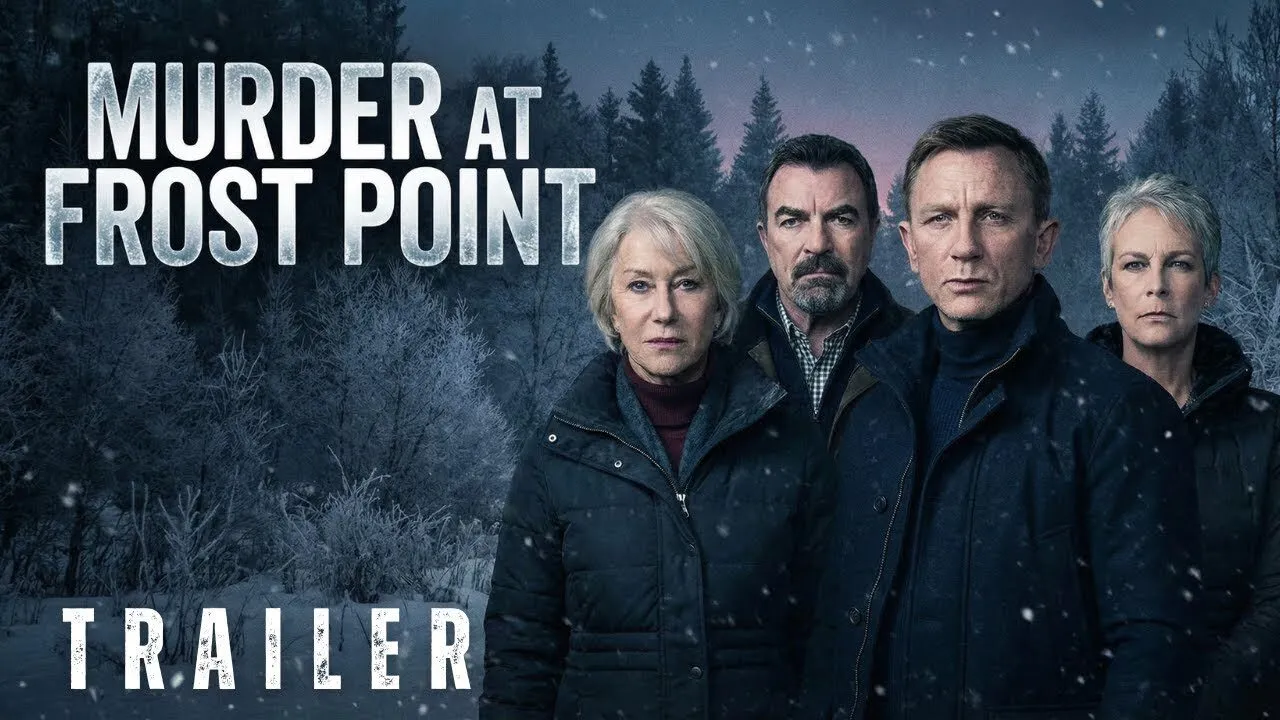
The story revolves around a brutal murder that shatters the fragile calm of Frost Point, forcing long-buried truths to surface. As the investigation unfolds, the narrative skillfully weaves past and present, revealing how deeply intertwined the townspeople are. Each character seems to carry emotional baggage that could easily make them a suspect. The screenplay avoids obvious twists, instead opting for psychological complexity. Clues are subtle, sometimes almost invisible, encouraging viewers to stay alert. This approach makes the mystery feel grounded and unsettlingly real.
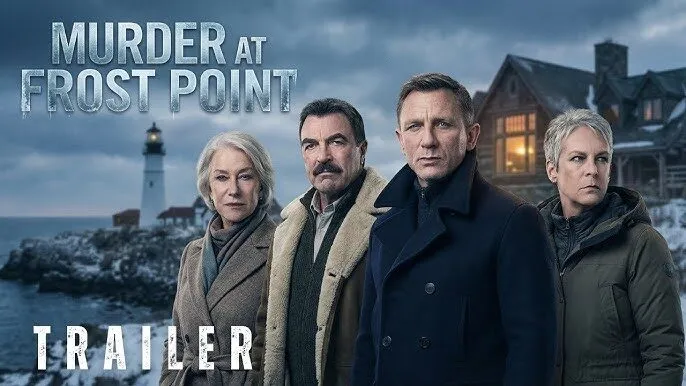
The performances are one of the film’s strongest elements, delivering restrained yet emotionally charged portrayals. The lead investigator brings a quiet intensity, balancing professionalism with personal trauma that mirrors the town’s hidden scars. Supporting characters are given enough depth to feel human rather than simply functional suspects. Small gestures, pauses, and unfinished sentences add layers to each interaction. No one feels entirely innocent, yet no one is purely villainous either. This moral ambiguity enhances the film’s realism.
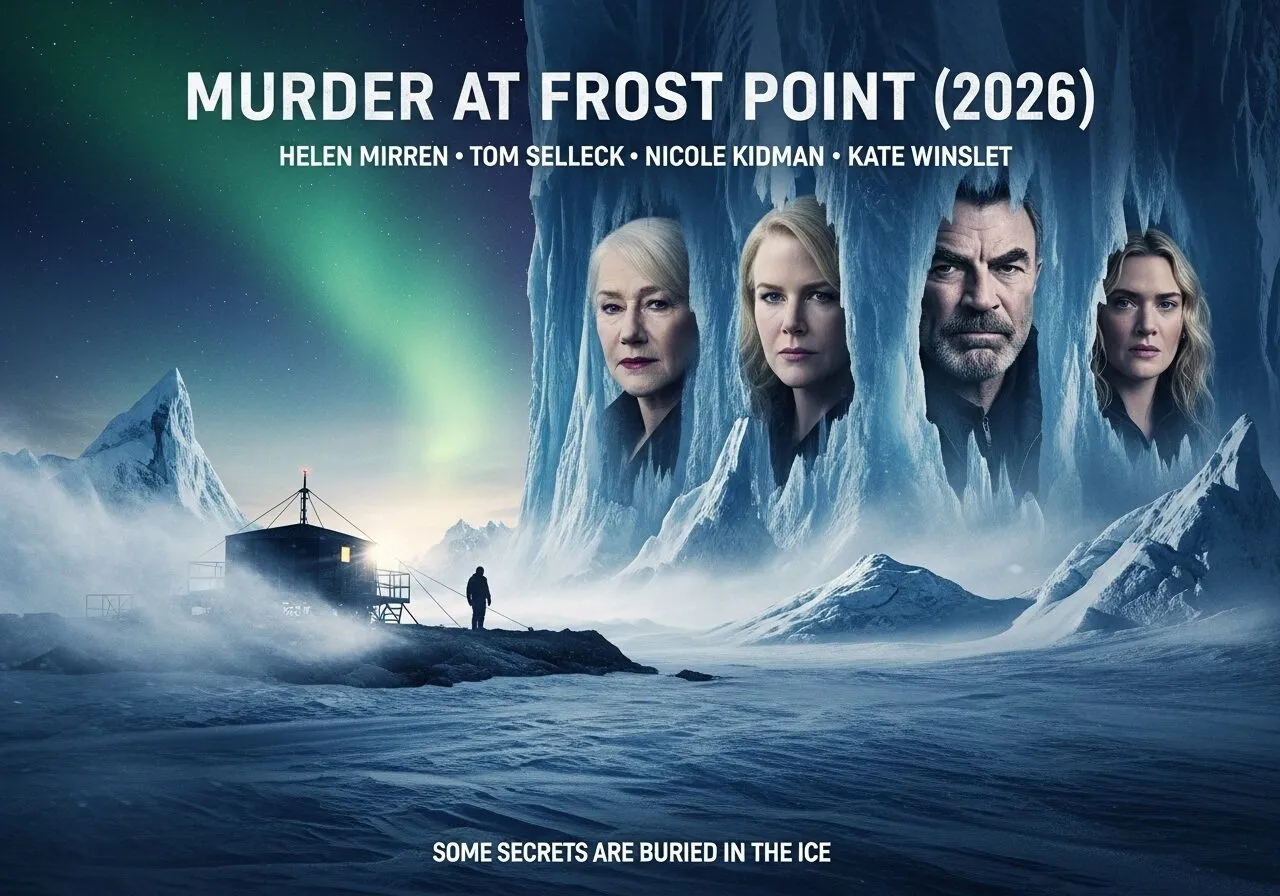
Visually, Murder at Frost Point is striking in its simplicity. The cinematography favors wide, desolate shots that emphasize loneliness and entrapment. Muted color palettes dominate the screen, reinforcing the bleak emotional tone. Snow-covered landscapes contrast sharply with moments of violence, making each crime feel even more jarring. The camera often lingers longer than expected, allowing tension to simmer rather than explode. This visual restraint aligns perfectly with the film’s narrative style.
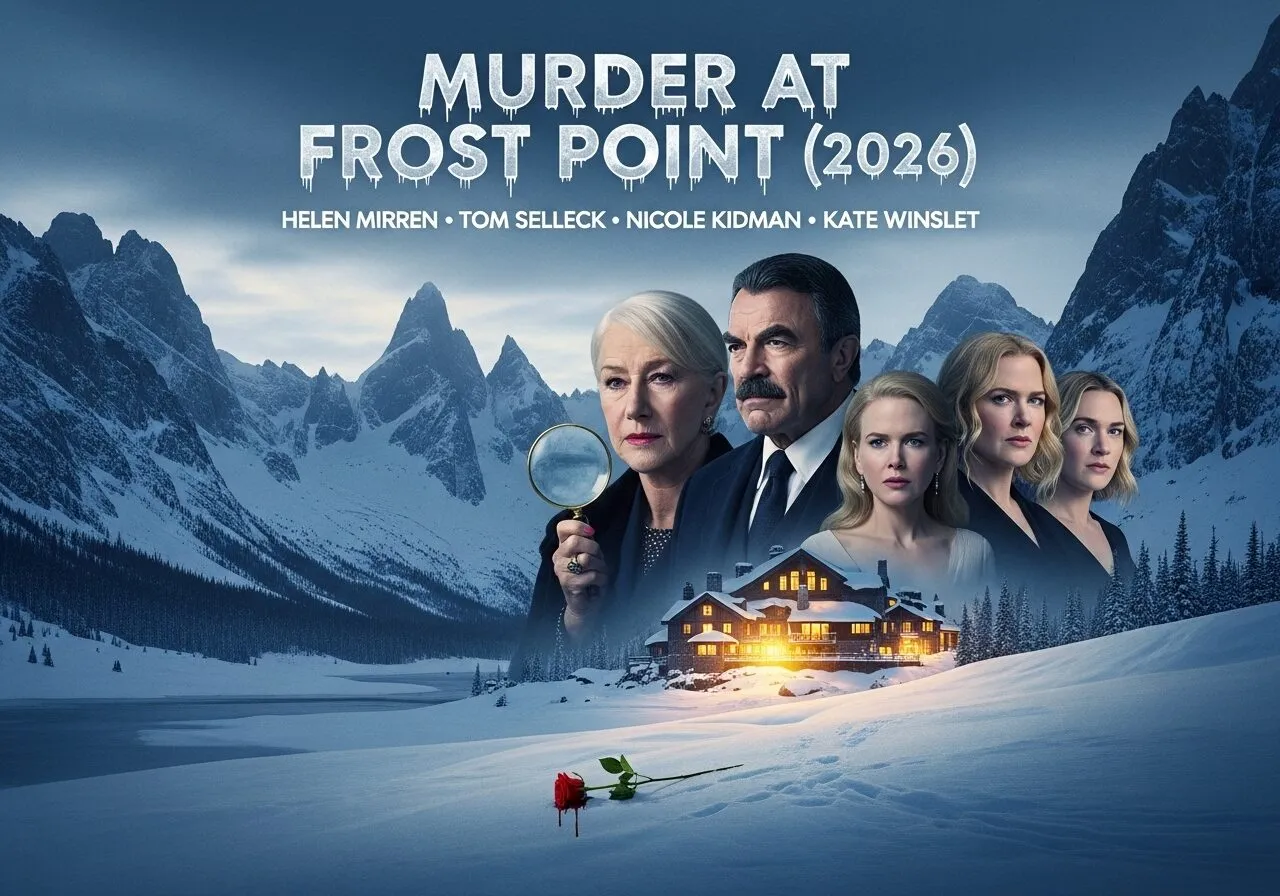
The pacing may feel slow to some viewers, but it suits the story’s introspective nature. Rather than relying on constant shocks, the film builds dread through anticipation. The score is minimal, used sparingly to heighten key moments without overpowering the silence. When revelations come, they feel earned rather than forced. The film trusts its audience to connect the dots, which adds to its sophistication. This measured rhythm makes the final act especially impactful.
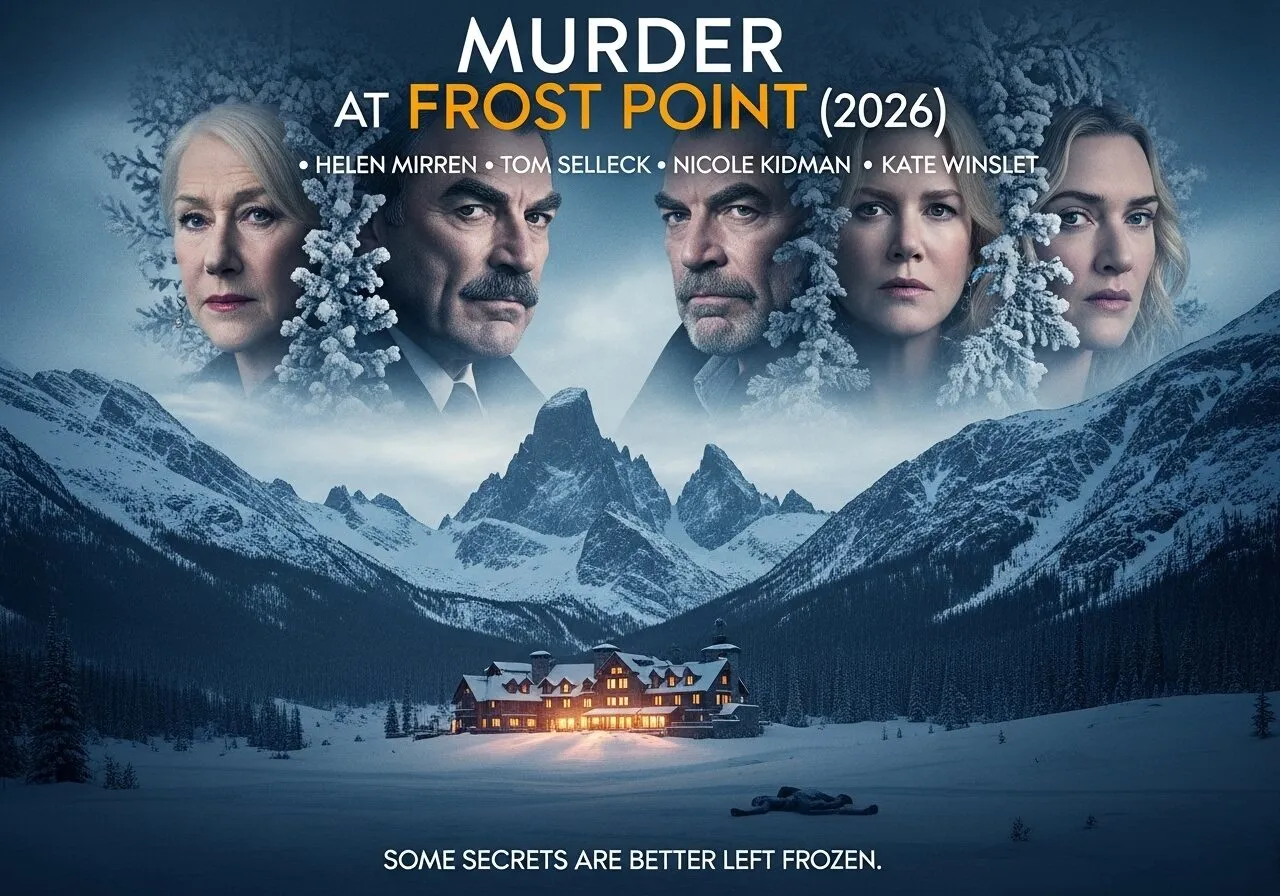
In the end, Murder at Frost Point is less about solving a crime and more about understanding the people shaped by it. It explores themes of guilt, isolation, and the consequences of unspoken truths. The resolution is haunting rather than triumphant, leaving lingering questions long after the credits roll. This is a film that rewards patience and attention to detail. Fans of atmospheric crime dramas will find plenty to appreciate here. It’s a cold, quiet mystery that stays with you like frost on the skin.