
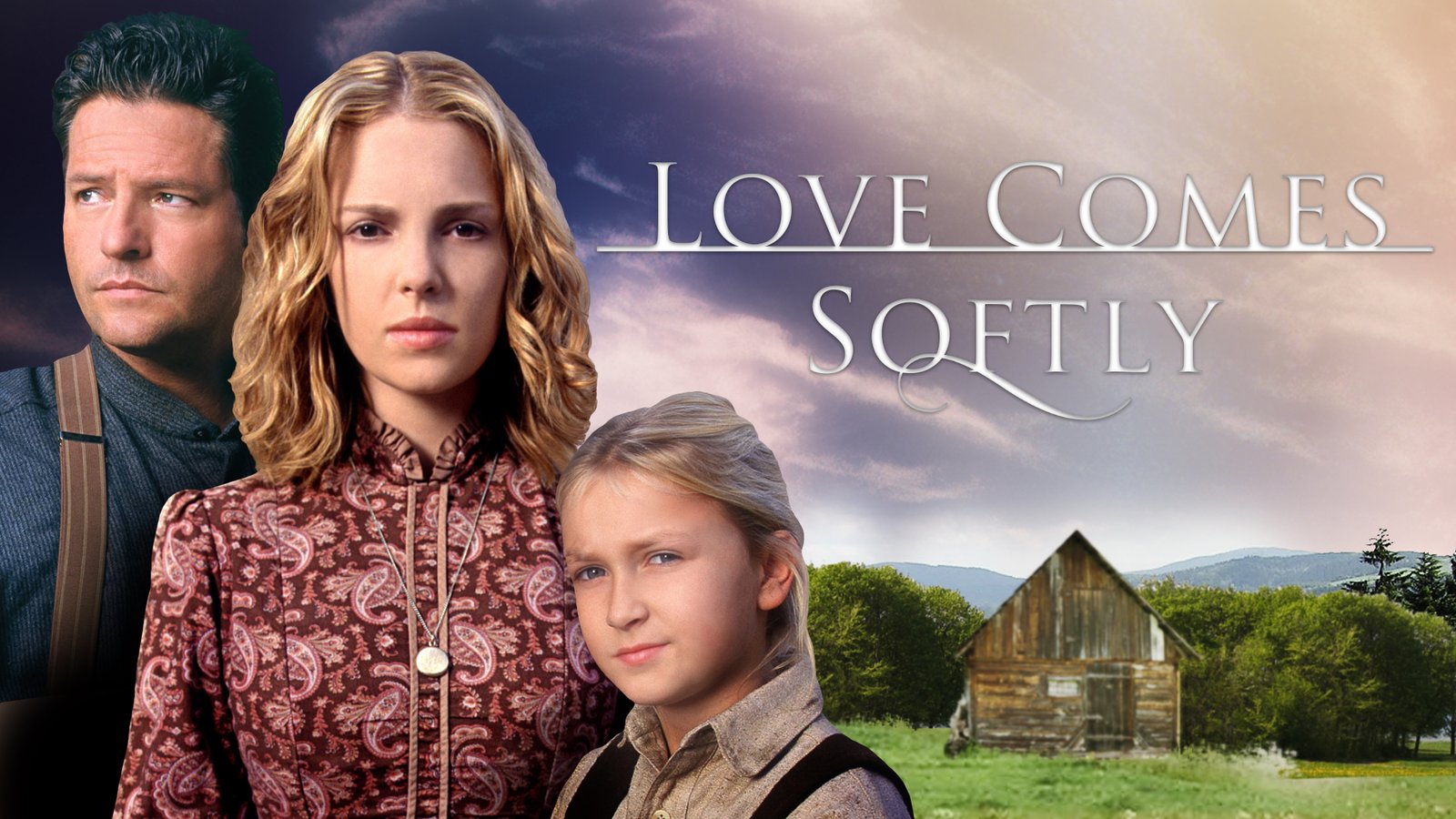
A szerelem lágyan jön (2026)
January 18, 2026
From the very first frame of Love Comes Softly (2026), the sweeping prairie landscapes and the quiet intensity of frontier life pull you deep into a world where survival and hope are inseparable. We meet Marty Davis, a young woman brimming with dreams of a fresh start, only to have her plans shattered when tragedy strikes suddenly and unexpectedly. Alone and vulnerable at the edge of a harsh winter, her strength and determination are tested in ways she never imagined. The film’s opening act paints this emotional turmoil with gentle but powerful strokes, inviting the audience to feel Marty’s pain, resilience, and longing for connection in a time when life was unforgiving.
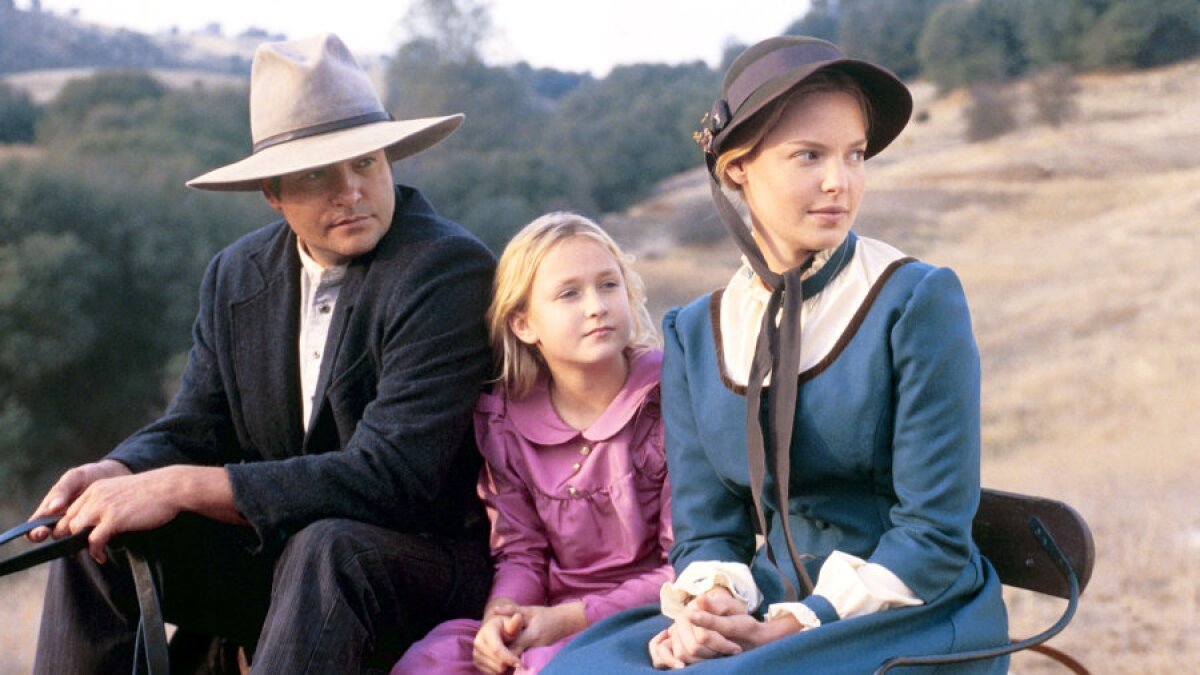
As Marty’s path crosses with Clark Davis, a widower wrestling with his own grief, the film introduces its beating heart — the transformative nature of human connection. Their relationship begins as a practical arrangement, but the story refuses to let this be “just another contract.” What unfolds is a rich emotional journey that cleverly balances moments of vulnerability with genuine warmth. Marty’s quiet courage awakens something in Clark, and their evolving bond becomes more than love; it becomes testimony to the power of healing and the belief that love can grow in the soil of hardship. The chemistry between the leads feels convincing and alive, making the emotional gains truly worth rooting for.
The young daughter, Missie, brings another layer to the narrative, embodying both the fragility and ferocity of a child who has known loss. Her transformation from mistrust to genuine attachment shows one of the film’s most compelling arcs — that family is not only born from blood, but forged through shared trials and tenderness. The moments between Marty and Missie, ranging from simple evening talks to laughter born of small victories, are among the film’s most memorable and heartfelt scenes. It demonstrates how Love Comes Softly delicately threads romance with deep familial bonds without letting either story overshadow the other.
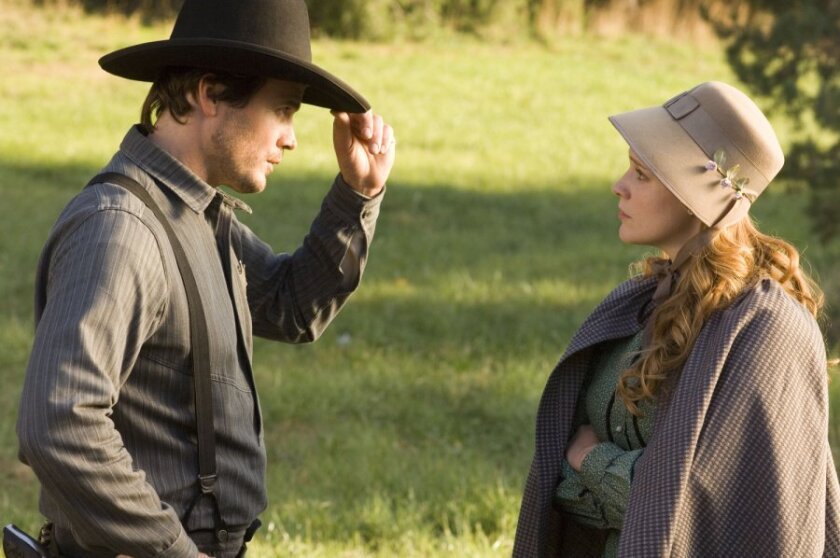
Visually, the film is a feast of authentic period detail and evocative cinematography that captures the stark beauty of frontier life. Each shot feels designed to mirror the characters’ internal landscapes — wide open fields echoing uncertain futures, and warm hearth-lit interiors reflecting the growing light of connection and belonging. The pacing never rushes the emotional beats; instead, it allows each moment to breathe, giving the audience the chance to fully absorb the characters’ inner shifts. The score is subtle yet stirring, underlining pivotal scenes with just the right tenderness to affect without overwhelming.
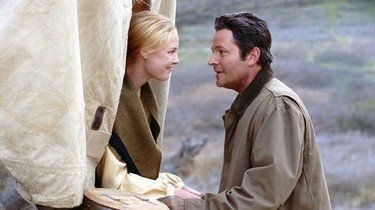
The dialogue is unpretentious but resonant, allowing the quieter moments to speak volumes. Whether sharing a shared joke at the dinner table or confessing fears in hushed tones by lamplight, the characters express themselves in ways that feel honest and earned. Viewers will find that Love Comes Softly (2026) doesn’t rely on grand gestures or dramatic plot twists — its power lies in the authenticity of its emotional journey. Watching these characters grow, learn to trust, and ultimately embrace love feels as real and moving as life’s own unpredictable evolution.
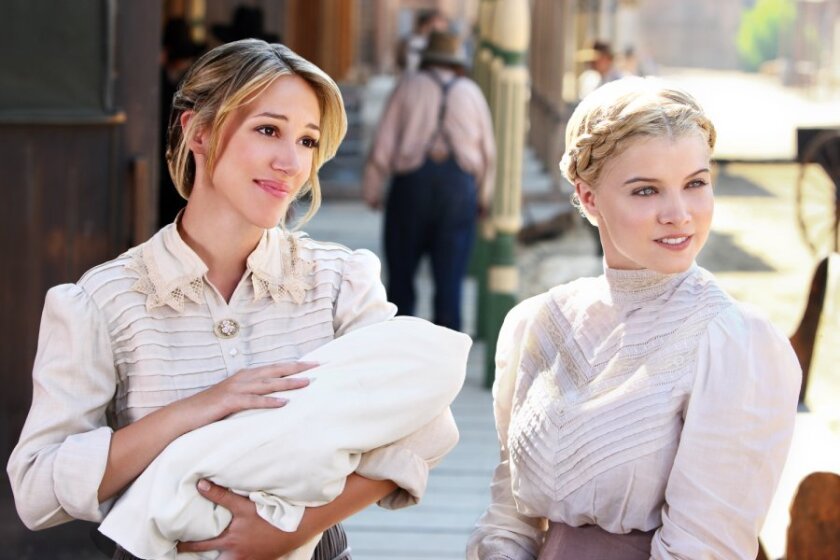
By the time the credits roll, Love Comes Softly leaves you with a lasting impression of hope, endurance, and the quiet truth that love, when given time and space, does indeed arrive softly. It’s a film that celebrates resilience in the face of loss, the unexpected ways people can change one another’s lives, and the gentle power of belonging. For anyone who loves character-driven storytelling with heart, deep emotional resonance, and the timeless beauty of a well-told romantic drama, this imagined 2026 adaptation shines as a richly rewarding cinematic experience.