
A Wake (2019)

March 5, 2026
A Wake is a quiet but emotionally explosive drama that unfolds almost entirely during one long night of mourning. The story centers on Mason, a teenage boy shattered by the sudden death of his identical twin brother, Mitchel. Their strict religious family gathers to hold a wake, attempting to maintain the image of a perfect Christian household while suppressing the chaos beneath the surface. Mason, however, cannot accept the official explanation of his brother’s death and becomes consumed with the desperate idea that he might still be able to communicate with Mitchel’s spirit. As grief hangs heavily in every corner of the house, the wake becomes more than a ritual of mourning—it becomes a stage where secrets, guilt, and unresolved pain begin to rise to the surface.
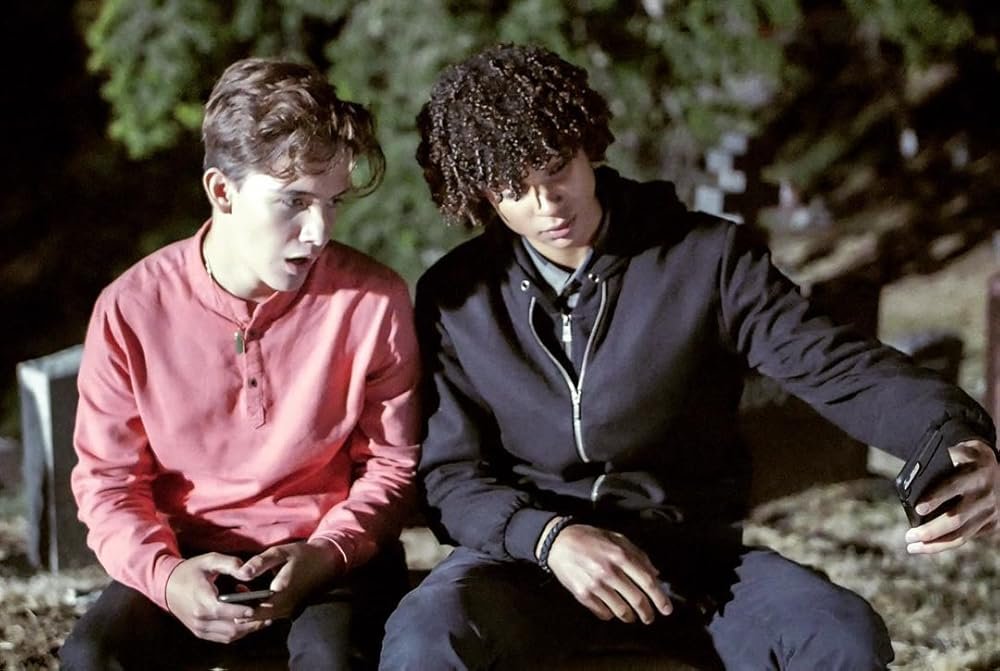 The film slowly draws viewers into the fractured dynamics of the family. Each sibling copes with loss in a radically different way: Mason spirals into obsession with the supernatural, hoping that a séance or a sign from beyond might give him answers; Molly, the youngest, obsessively organizes every detail of the wake, clinging to structure in an attempt to keep the world from falling apart; and Megan, the estranged older sister, returns home carrying resentment toward the family’s rigid beliefs. Their parents struggle to maintain their moral authority while hiding their fear that the truth about Mitchel might challenge everything they believe about faith, identity, and family. The tension between generations quietly simmers as the house fills with mourners, prayers, and whispered rumors about what really happened to the boy everyone claims to love.
 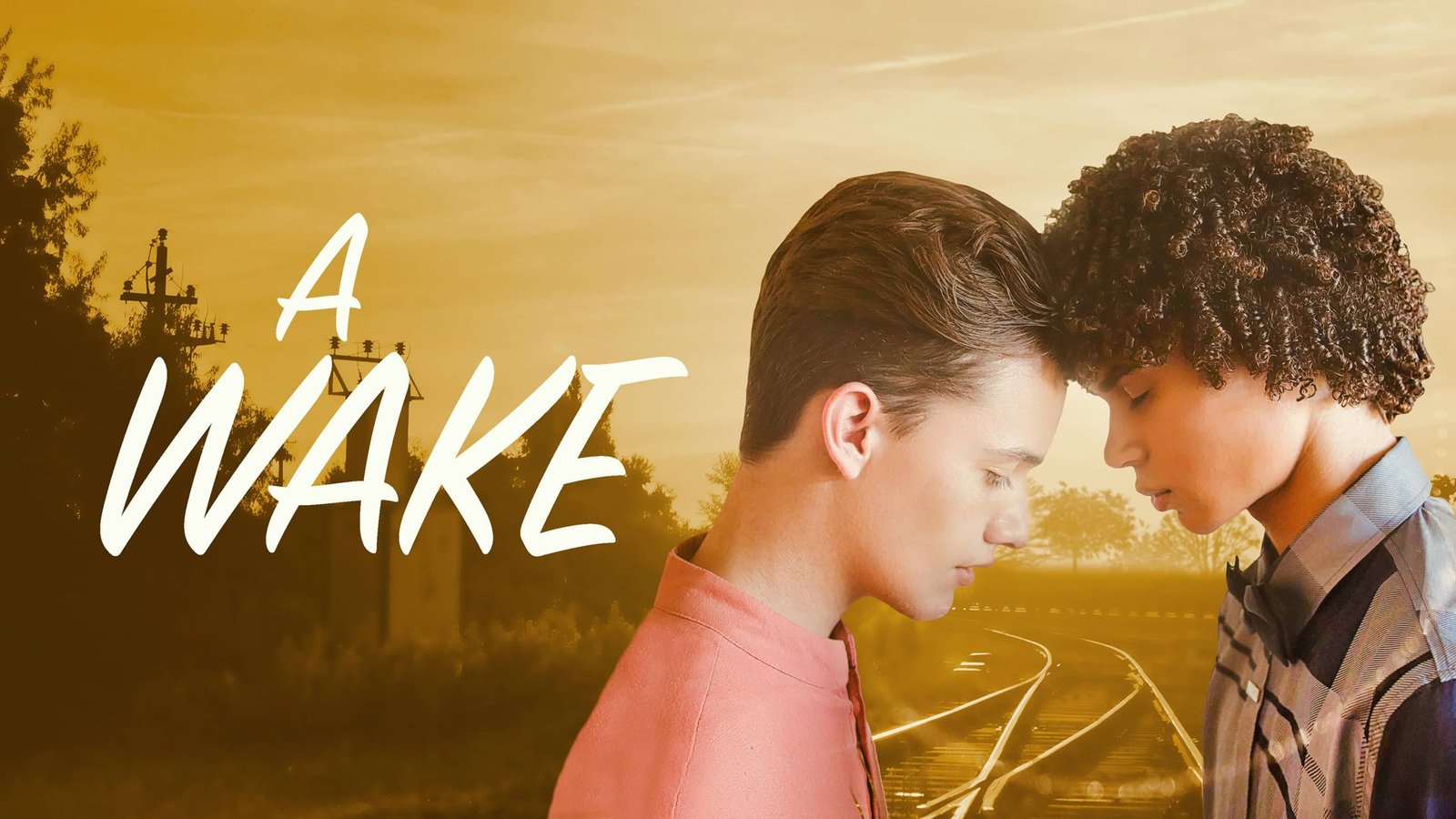 The emotional temperature of the night rises dramatically when an unexpected guest arrives—Jameson, a soft-spoken young man who claims he was invited to the wake. His presence immediately unsettles the family, because no one admits to sending the invitation. As conversations grow more uncomfortable, it becomes clear that Jameson knew Mitchel in ways the family never imagined. The polite atmosphere of the wake begins to crack as fragments of Mitchel’s hidden life slowly emerge. What begins as a tense but civil gathering gradually transforms into a confrontation with prejudice, denial, and the painful consequences of forcing someone to live a life built on secrecy.
As the night progresses, the film becomes less about the mystery of Mitchel’s death and more about the emotional damage left behind. Mason’s grief intensifies when he realizes that he may have never truly known his own twin. The bond that once felt unbreakable now feels haunted by things left unsaid. Through flashbacks, arguments, and raw confessions, the siblings begin to piece together a portrait of Mitchel that is far more complex than the version their parents believed in. Each revelation forces the family to confront the ways their rigid beliefs may have pushed Mitchel into isolation, creating an atmosphere where love existed but acceptance did not.
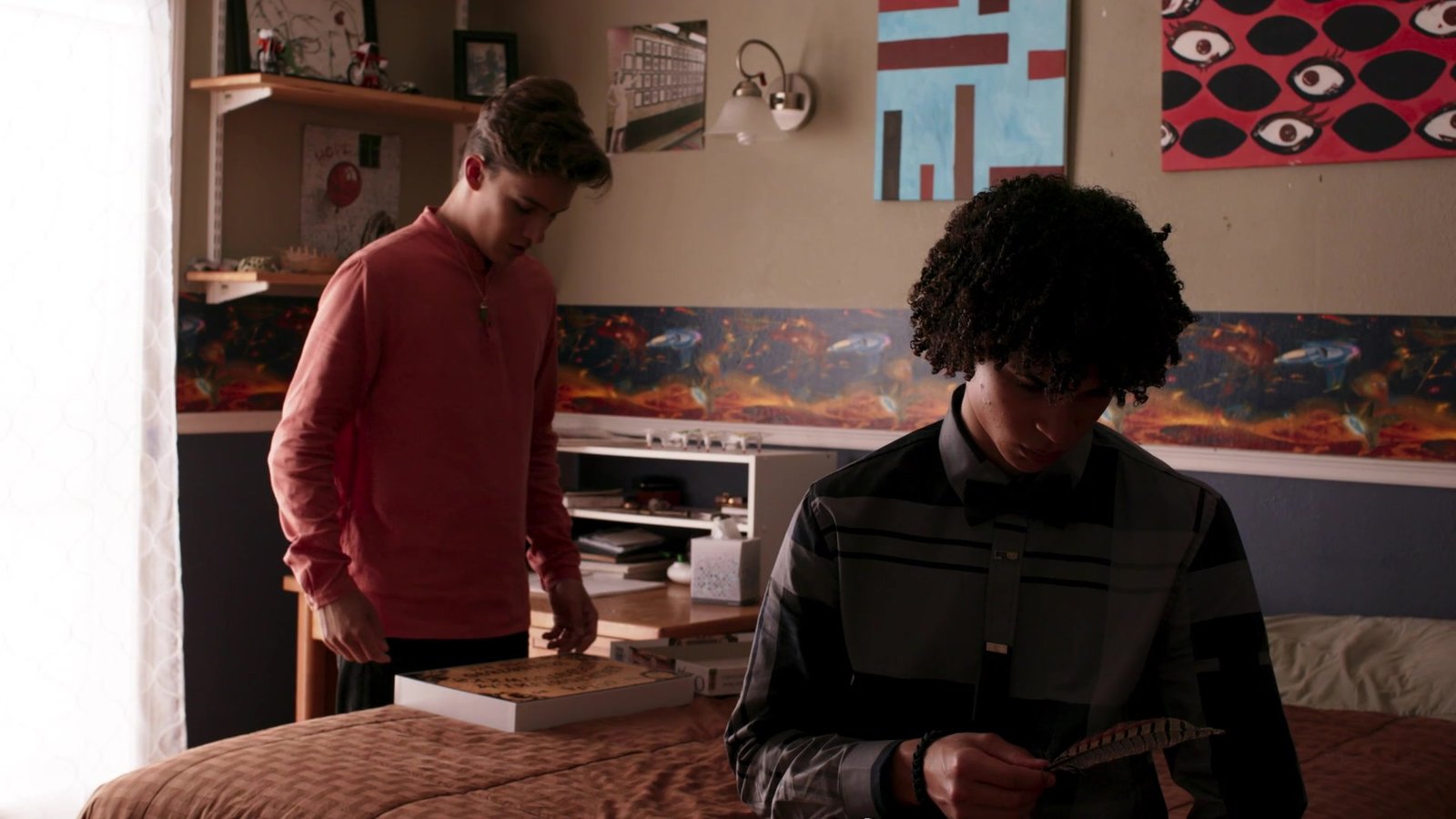
The storytelling builds toward a deeply emotional climax during the memorial itself. What was meant to be a respectful tribute becomes a moment of reckoning as the truth about Mitchel’s struggles—his identity, the pressures he faced, and the loneliness he endured—finally comes into the open. In that moment, the wake transforms from a ceremony of quiet mourning into an explosive confrontation between truth and denial. Long-buried resentments erupt, relationships fracture, and the family must face the possibility that the tragedy they are grieving may have been shaped by their own inability to understand the person Mitchel really was.
By the time the night ends, the house feels different—less like a place of mourning and more like a battlefield of emotions that has finally cleared the air. The film closes on a haunting but hopeful note, suggesting that grief, while devastating, can also force people to confront truths they spent years avoiding. A Wake is not driven by spectacle or dramatic twists, but by quiet moments of honesty and the fragile humanity of its characters. In the end, it becomes a powerful reflection on loss, identity, and the painful journey toward empathy—showing that sometimes the dead leave behind more than memories; they leave questions that the living must finally learn how to answer.