
A Wake (2019)

November 14, 2025
A Wake (2019) – Film Review
“A Wake” (2019) emerges as a quietly powerful drama that blends grief, memory, and long-buried truth into a single haunting narrative. Set almost entirely during a wake, the film unfolds with an unsettling intimacy, drawing viewers into the emotional turbulence of a family forced to confront what they’ve spent years avoiding. The atmosphere is heavy yet hypnotic, and each moment feels like a confession waiting to erupt. What begins as a simple gathering to honor the deceased slowly transforms into a piercing examination of the past, where secrets twist into revelations and mourning becomes a catalyst for reckoning.

At the heart of the story is a fractured family brought together under the strained glow of grief. The characters are layered, flawed, and painfully human, each carrying their own version of the truth. As the night deepens, their conversations unravel hidden tensions, from unresolved guilt to unspoken resentment. The film excels at portraying how the quiet moments—lingering gazes, hesitant touches, unfinished sentences—carry more weight than any explosive argument. It is in these delicate details that the emotional depth of the film truly resides.

One of the film’s greatest strengths is its refusal to provide easy answers. Instead of leaning into melodrama, it explores grief with raw honesty, revealing how loss often exposes what we fear most about ourselves. The nonlinear storytelling adds to this complexity, allowing past memories to bleed into the present as though the characters’ emotions are too tangled to separate. Each flashback is purposeful, illuminating the internal struggles of a family desperately trying to understand what went wrong—and what might still be saved.

Visually, “A Wake” maintains a muted, almost ethereal tone that mirrors the characters’ emotional state. Soft shadows, dim lamplight, and natural textures create a sense of quiet isolation, enveloping the viewer in the same suffocating stillness the characters live in. The cinematography makes the confined space of the wake feel both claustrophobic and intimate, emphasizing the way grief compresses everything—time, space, and relationships—until confrontation becomes inevitable.

By the time the film reaches its climax, the emotional stakes have risen to an almost unbearable level. Confessions tumble out, revelations shatter assumptions, and the characters are forced to face the cost of silence. Yet even as the truth surfaces, the film never loses its humanity. It acknowledges that forgiveness is messy, healing is imperfect, and closure doesn’t come neatly wrapped. Instead, “A Wake” offers something more realistic: the possibility of moving forward, even when the pain refuses to fully let go.
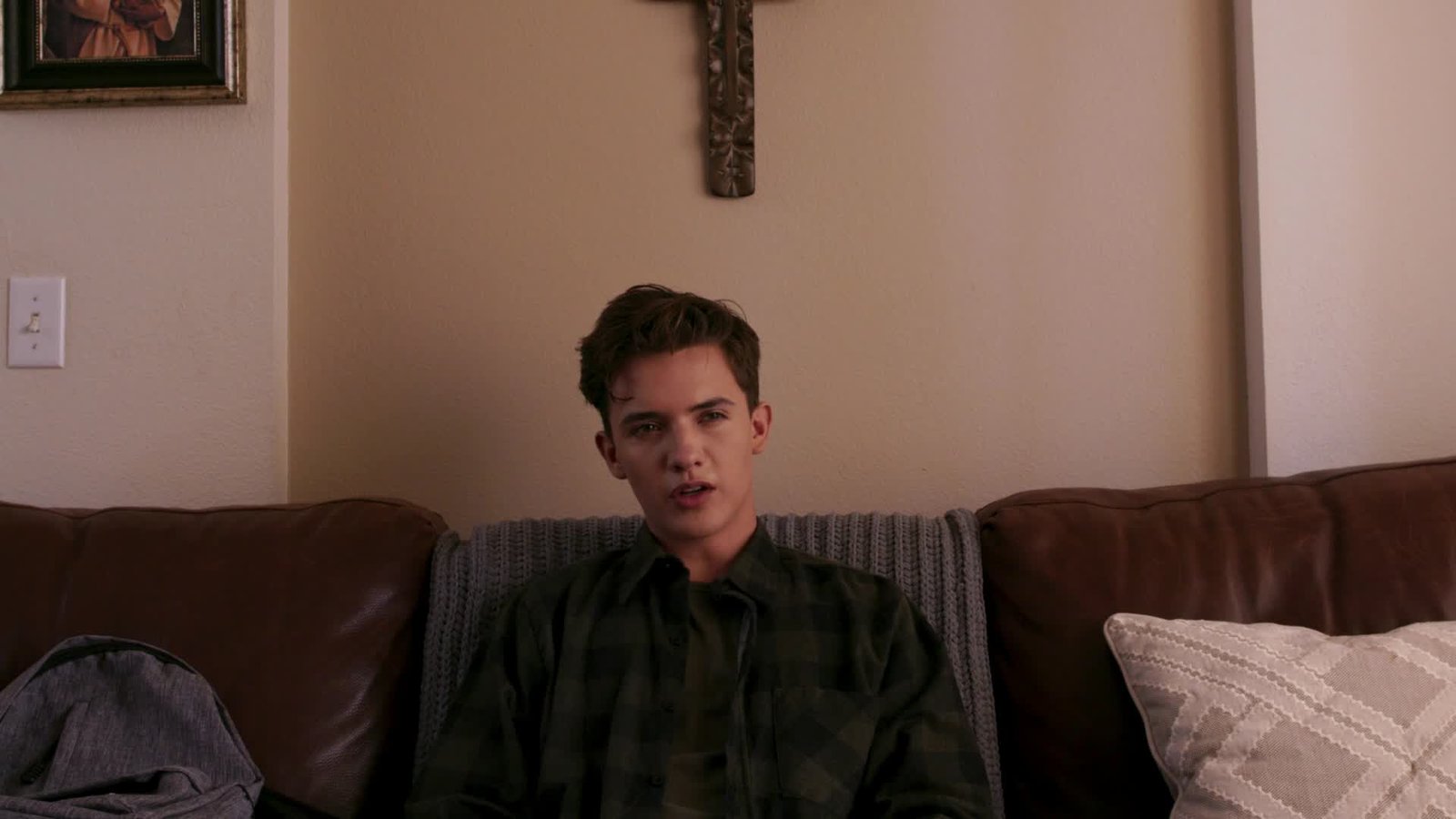
Ultimately, “A Wake” (2019) stands as a beautifully crafted, emotionally resonant drama that lingers long after the credits roll. It’s a film that asks difficult questions about love, responsibility, and the weight of unresolved regret. With its delicate storytelling, nuanced performances, and poignant atmosphere, it invites viewers to sit with their own memories and consider the echoes of the past that shape who we become. It’s haunting, gripping, and quietly unforgettable—a cinematic experience that stays with you like a whispered truth.