
AGATHA CHRISTIE’S SEVEN DIALS (2026)
February 9, 2026
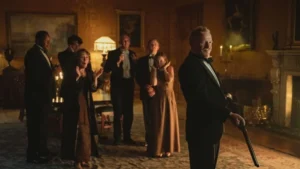
Agatha Christie’s Seven Dials (2026) arrives like a meticulously wound clock, drawing viewers into a world where elegance masks danger and every second seems to tick toward revelation. Set against the refined yet deceptive backdrop of England’s upper class, the film opens with an atmosphere of leisure and privilege, only to quietly inject a sense of unease that never truly dissipates. From its earliest moments, the story signals that this is not merely a nostalgic homage to classic mystery, but a modern reinterpretation that understands how suspense is born from restraint, silence, and the unsettling feeling that something is terribly wrong just beneath the surface.

The narrative unfolds with a deceptive calm, introducing a circle of young aristocrats whose wit and charm conceal secrets far darker than their polished manners suggest. What begins as a seemingly harmless gathering soon spirals into a deadly puzzle when an unexpected death shatters the illusion of safety. The mystery is constructed with careful precision, layering clues in a way that rewards close attention without ever becoming predictable. Each conversation feels loaded, each glance suspicious, and the film delights in making the audience question not only who is lying, but why the truth is being buried so desperately.

At the heart of the story is a sharp, determined female protagonist whose intelligence and moral clarity set her apart in a world of half-truths and self-preservation. Her investigation is not driven by ego or thrill, but by a growing realization that power, when left unchecked, breeds corruption. The film gives her space to think, observe, and challenge authority, turning the act of deduction into something deeply personal. Her journey transforms the mystery into more than a game of wits; it becomes a confrontation with a social order built on silence and complicity.
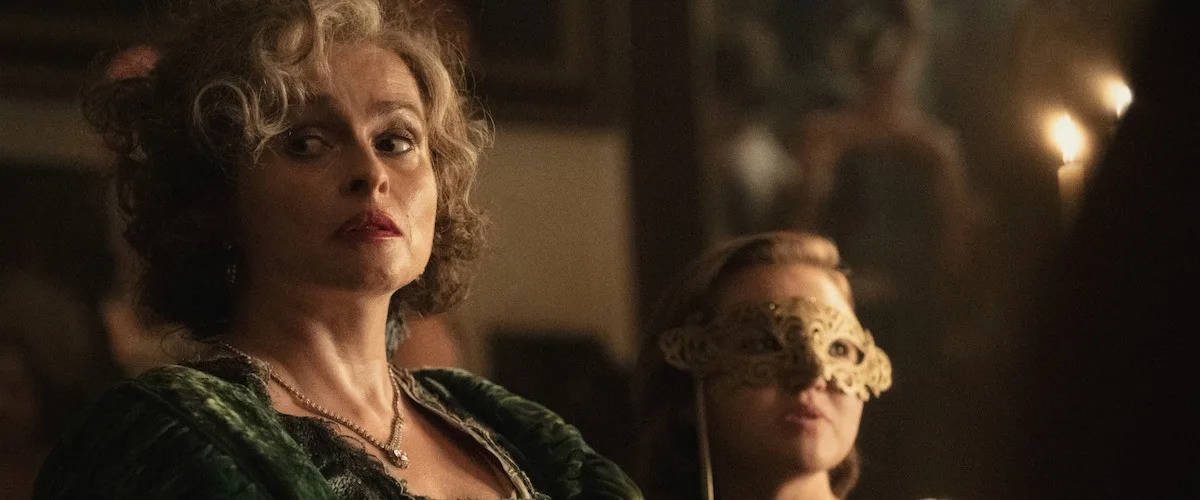
Visually, Seven Dials is steeped in atmosphere, using stately homes, shadowed corridors, and candlelit rooms to create a sense of claustrophobia within grandeur. The camera lingers on details that seem ornamental at first but later gain narrative weight, reinforcing the idea that nothing in this world is accidental. The pacing is deliberate, allowing tension to accumulate slowly, and the score subtly underscores moments of dread rather than overwhelming them. This careful balance ensures that suspense feels earned, creeping in rather than crashing down.
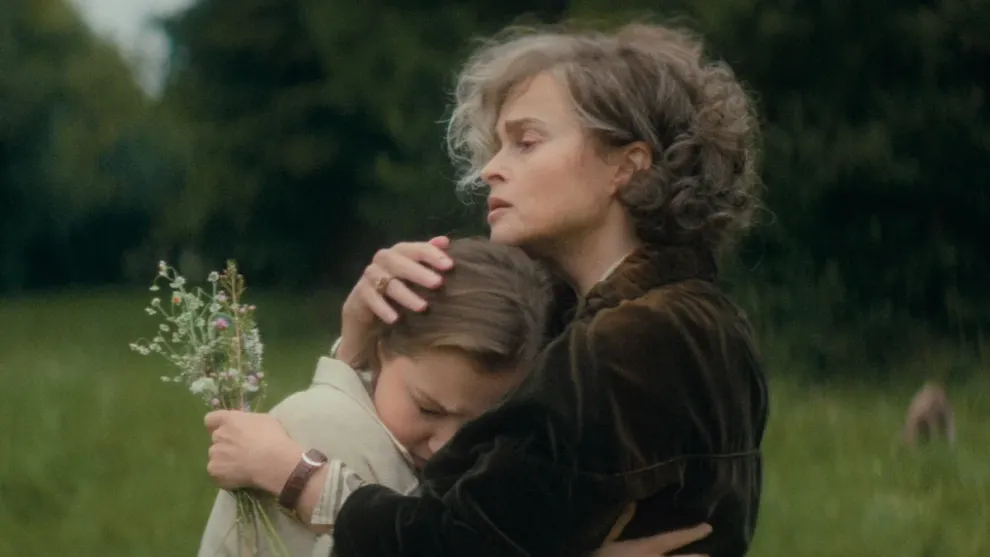
What truly elevates the film is its thematic depth, as it explores the dangers of secret societies, inherited privilege, and the ease with which wrongdoing can hide behind tradition. The mystery is not only about who committed the crime, but about how systems of influence protect the guilty while dismissing the vulnerable. As revelations surface, the story exposes a chilling truth: the real horror lies not in the act of murder itself, but in the collective willingness to look away. This gives the film a resonance that feels strikingly contemporary despite its classic roots.

By the time the final pieces fall into place, Agatha Christie’s Seven Dials leaves a lingering impression of elegance stained by moral decay. The resolution is satisfying without being simplistic, offering clarity while still inviting reflection. It stands as a compelling blend of classic whodunit and modern psychological drama, proving that Christie’s legacy continues to evolve in meaningful ways. Long after the mystery is solved, the film’s questions about power, secrecy, and truth continue to echo, much like the relentless ticking of a clock that refuses to be silenced.