
Ang Pagdadalaga ni Maximo Oliveros (2005)
December 12, 2025
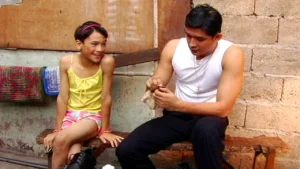
Ang Pagdadalaga ni Maximo Oliveros is a rare coming-of-age film that glows with tenderness while confronting the harsh realities of urban poverty. Set in the narrow alleys of Manila, the story follows Maxi, a gentle and effeminate boy whose devotion to his family becomes both his strength and his burden. From the opening scenes, the film establishes a world where love and survival coexist in complicated tension, and where a child is forced to grow up faster than anyone should. The atmosphere is intimate, raw, and warm — a balance that gives the film its unforgettable emotional power.
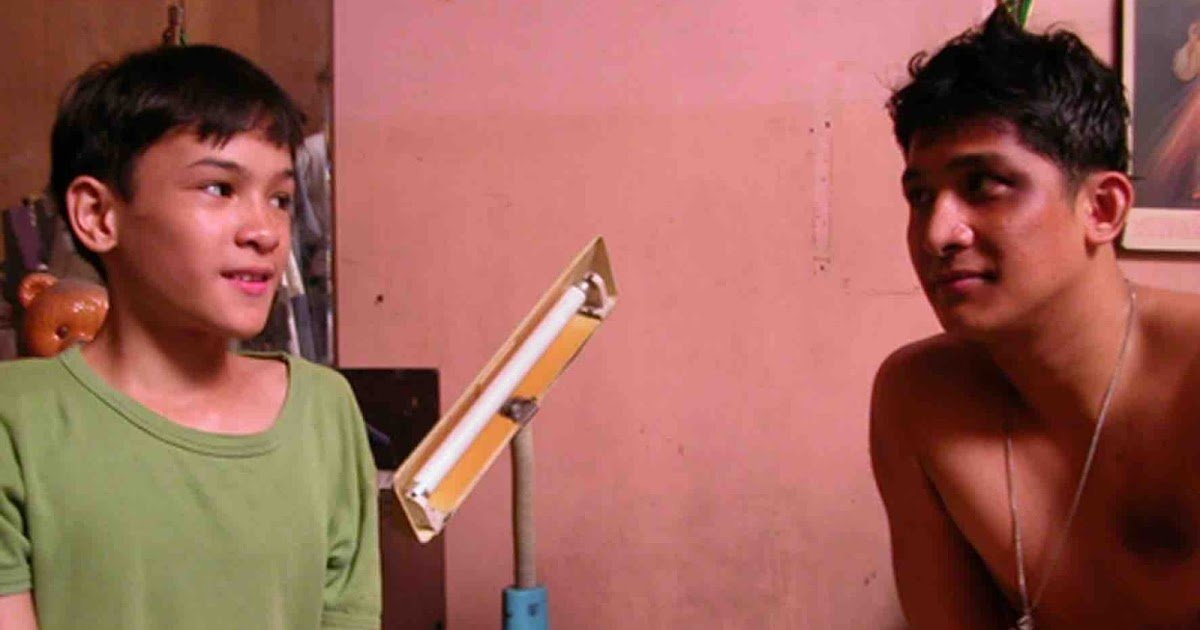
What makes the narrative so compelling is its refusal to sensationalize. Instead of treating Maxi’s identity as a dramatic plot point, the film embraces it with quiet normalcy. Maxi’s femininity is not portrayed as a problem but simply as a part of who he is, and his family — a trio of small-time criminals — accepts him with surprising grace. Their interactions are infused with humor and affection, revealing a familial love that feels real and lived-in. It is this depiction of unconditional acceptance, within an otherwise morally ambiguous household, that gives the film its unique and touching character.
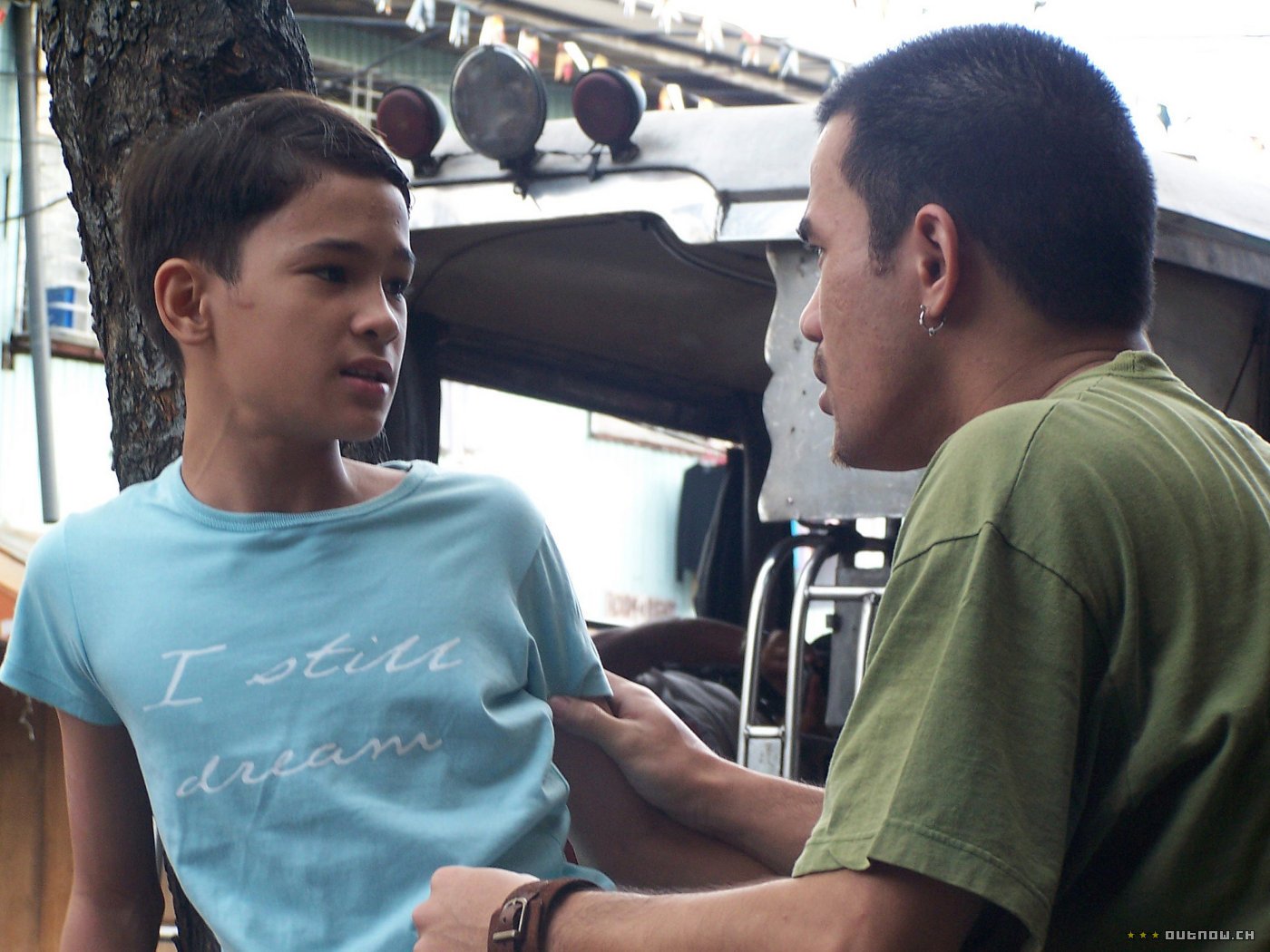
The turning point arrives when Maxi develops a crush on Victor, a principled and soft-spoken police officer. Their relationship is portrayed with remarkable restraint and purity, highlighting Maxi’s innocence and longing for genuine kindness. Victor becomes a symbol of everything Maxi yearns for: safety, tenderness, and a world outside the criminal paths of his family. This emotional conflict — between love and loyalty — becomes the heart of the film, driving Maxi into a painful but transformative journey. Every glance, hesitation, and unspoken moment between the two characters deepens the tension beautifully.
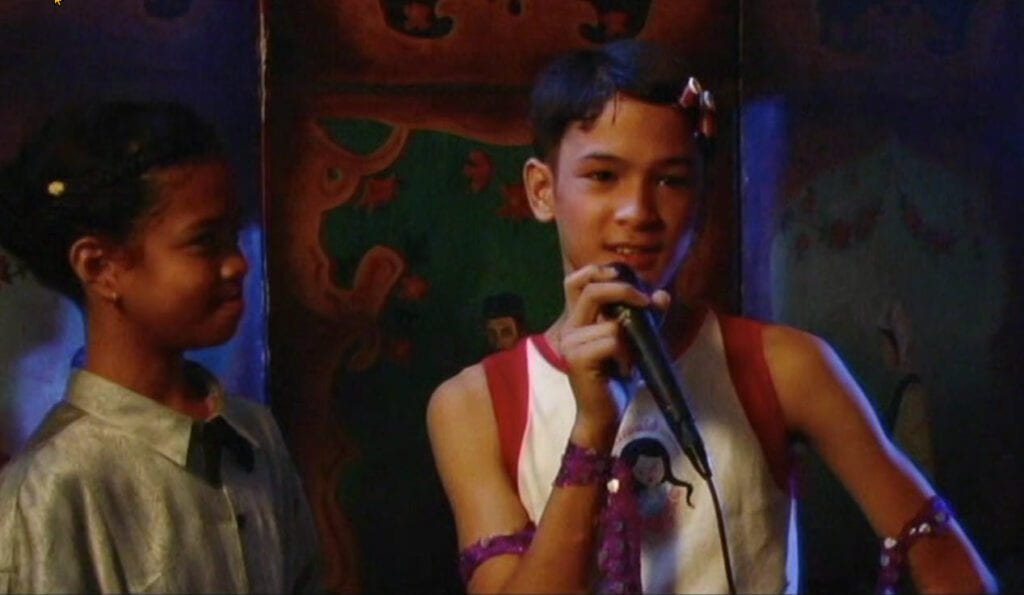
Visually, the film feels almost documentary-like in its authenticity. Its handheld cinematography, natural lighting, and unfiltered street life give viewers the sense of walking right beside Maxi through the bustling, chaotic, yet strangely vibrant world he inhabits. The aesthetic choices never feel forced; instead, they magnify the emotional honesty of the story. Manila becomes more than a backdrop — it is a living character that shapes Maxi’s identity and mirrors the complexity of his adolescence.
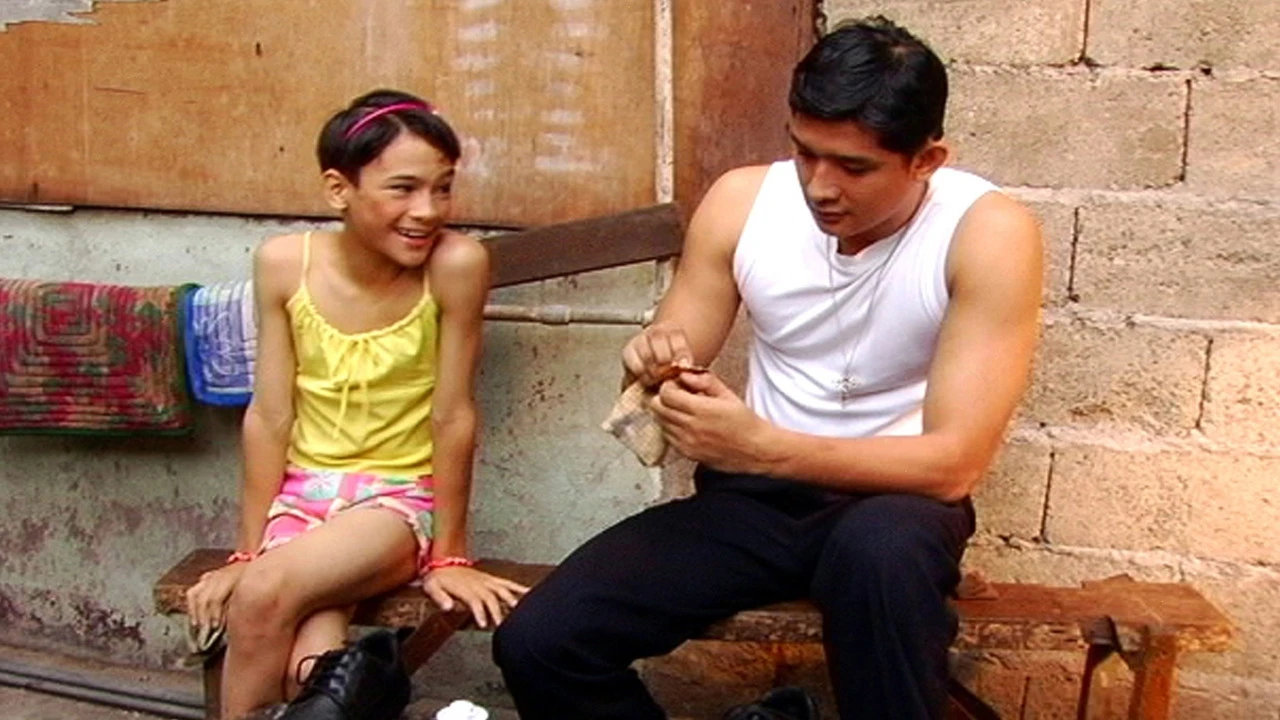
The emotional impact of the film grows steadily as Maxi is pushed to confront an impossible moral dilemma: protect his family or follow the path of truth and safety he glimpses through Victor. His internal struggle is portrayed with heartbreaking nuance. Even as the world around him grows darker and more dangerous, Maxi’s resilience and purity shine through, reminding viewers of the strength found in unconditional love. His journey is not simply about growing up; it is about redefining who he wants to become in a world that offers him very few choices.
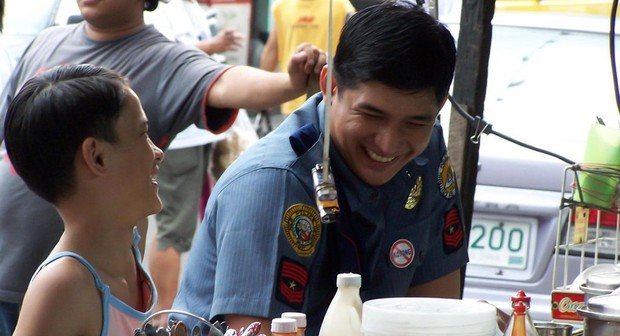
By the time the film reaches its quiet, bittersweet conclusion, it leaves a lingering ache — not from tragedy, but from the profound beauty of a child’s courage. Ang Pagdadalaga ni Maximo Oliveros stands as one of the most poignant portrayals of innocence confronted by reality. It is tender without being sentimental, honest without being brutal, and ultimately uplifting in its portrayal of love, identity, and self-discovery. This is a film that continues to resonate long after the credits roll.