
Black Crab (2022)

January 25, 2026
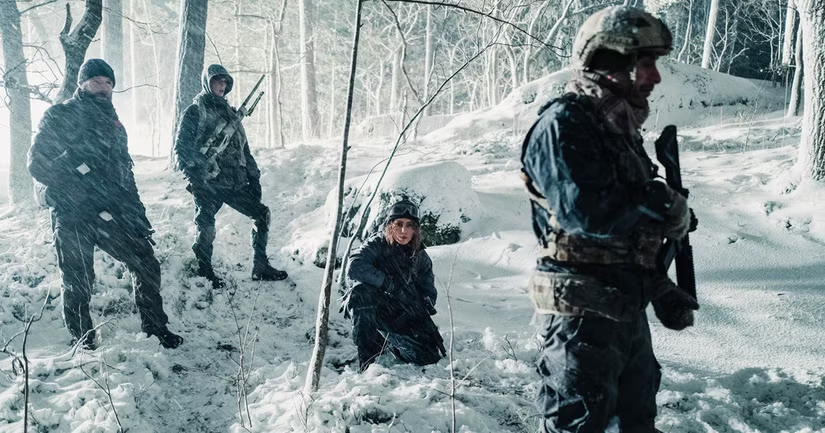
Black Crab immediately unfolds with a stark, icy tension that sinks into the bones of the viewer. From the first moment we enter the frozen wastelands with its protagonists, the film crafts a world where survival is a daily gamble and the line between mission and madness blurs. The opening scenes don’t waste time — they push us straight into the desperate cold, both of the landscape and the emotional isolation felt by those forced to traverse it. The harsh environment becomes almost another character, shaping choices, alliances, and the very rhythm of the story.
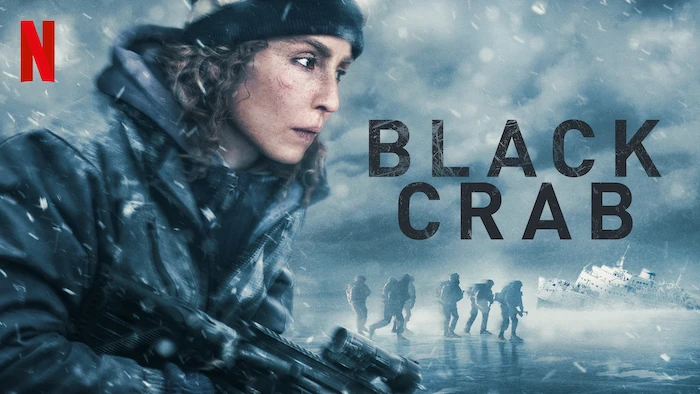
As the narrative builds, the psychological burden on the soldiers becomes the heart of the film. Each step they take across the ice is haunted by memories and doubts, and the movie doesn’t shy away from portraying war as a fragmented experience: one filled with internal battles that weigh just as heavily as external threats. The screenplay weaves a tense interplay between hope and despair, slowly revealing the personal losses that have brought these individuals to this near-frozen edge of human endurance. It’s in these quiet, troubled moments that the film’s emotional depth sharpens — the audience begins to feel the invisible wounds that ordinary dialogue cannot express.
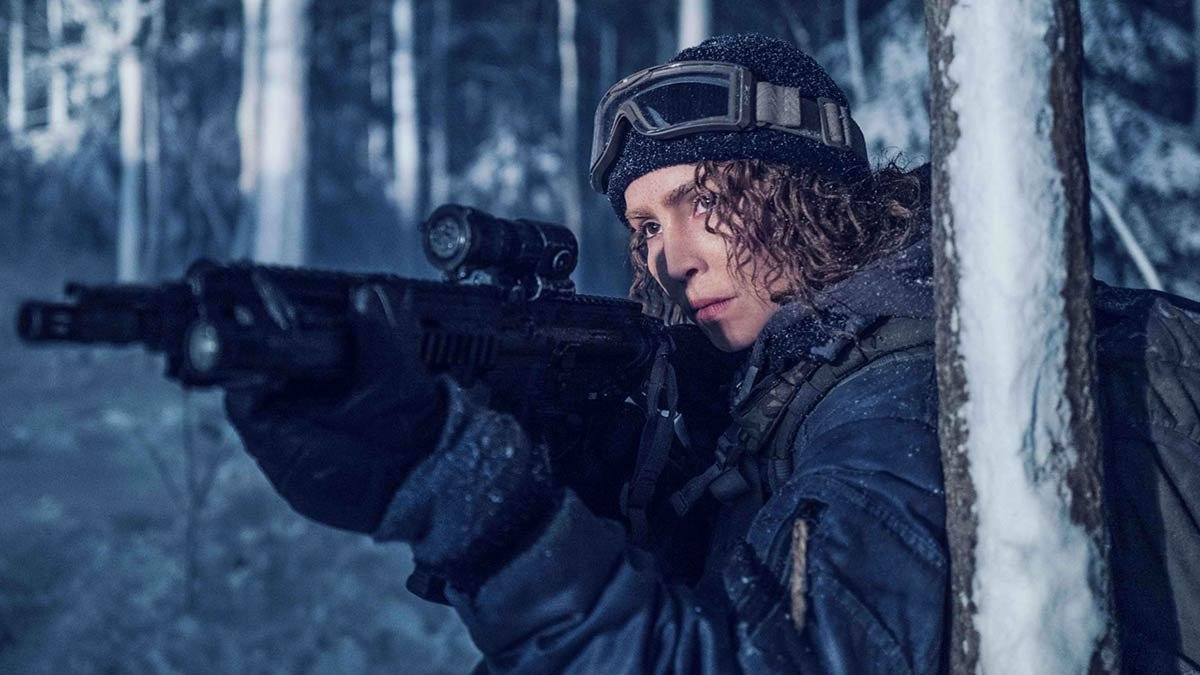
The mission at the center of Black Crab — to deliver a mysterious package across treacherous terrain — serves as a gripping backbone that drives the plot forward. What initially appears to be a straightforward objective becomes increasingly enigmatic, pulling viewers into a web of uncertainty and moral ambiguity. The pacing skillfully balances reflective, character-driven beats with pulses of adrenaline, so that every revelation lands with impact.
Performances across the cast are layered and compelling, anchoring the film’s weighty themes in recognizable humanity. The actors convey a profound fatigue that goes beyond physical strain — it’s the weariness that comes from being forced to act in a world that consistently defies logic, mercy, and hope. Subtle expressions, halting conversations, and charged silences often speak louder than any action sequence, making the emotional arcs feel earned rather than imposed.
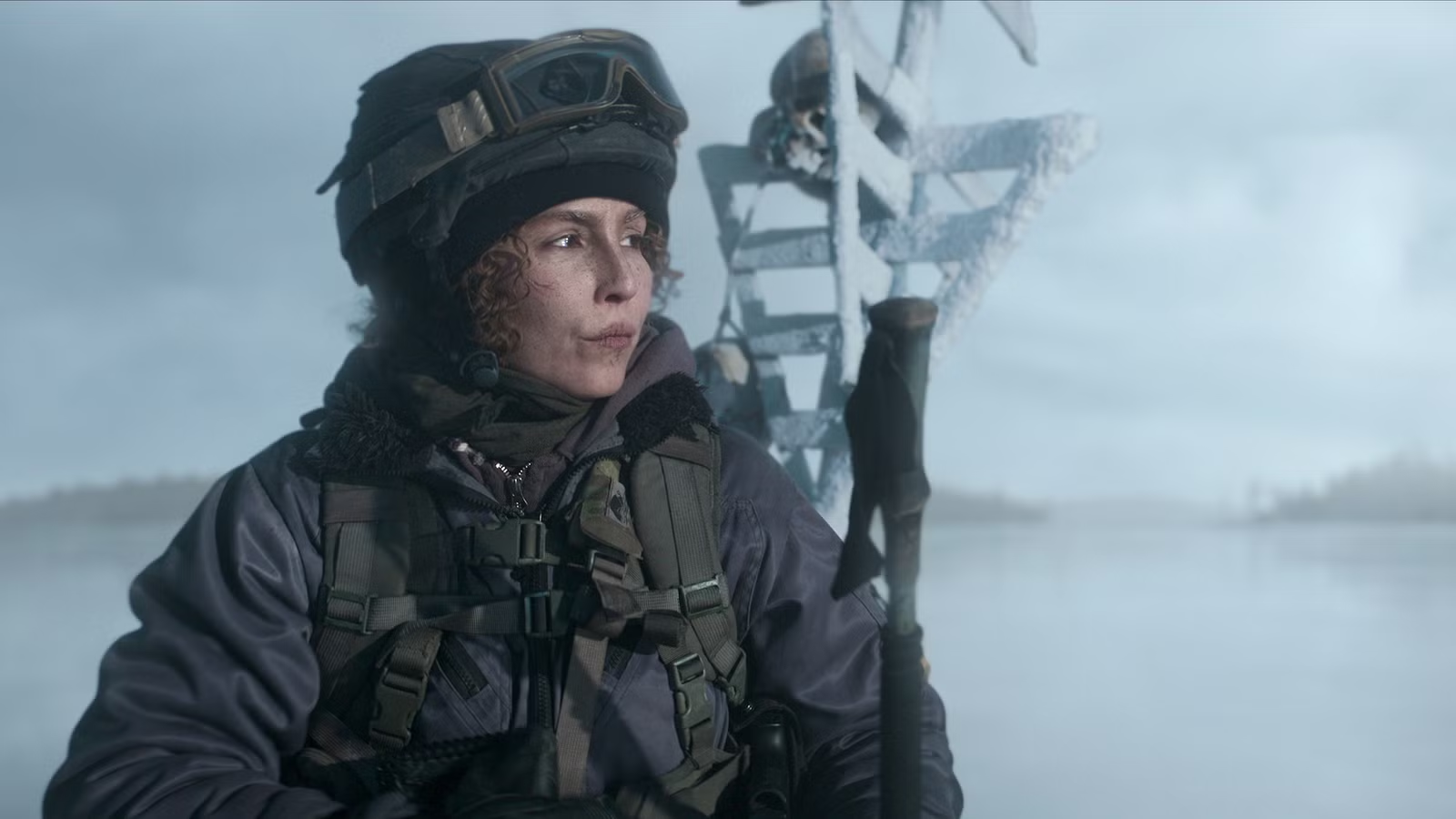
Visually, the film is hauntingly beautiful. The endless white horizons and the creaking, fragile ice create a visual metaphor for the tenuous grip these characters have on purpose and survival. Cinematography captures both the stark brutality of the frozen landscape and the delicate, fleeting moments of connection between people who may never see safety again. There’s a poetic resonance to many shots — a reminder that even in the bleakest settings, there’s space for feeling, memory, and reflection.
Ultimately, Black Crab is not just a film about war or survival, but about the quiet bravery it takes to keep moving forward when the world seems built to stop you at every turn. It lingers in the mind, not because it offers easy answers, but because it asks difficult questions about sacrifice, trust, and the cost of believing in something beyond oneself. It’s a gripping, somber journey — one that stays with you long after the credits roll.