
Call the Midwife – Series 15 (2026)
January 3, 2026
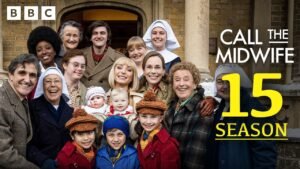
Call the Midwife – Series 15 (2026) returns with a quiet confidence that only a long-running, deeply loved series can possess, proving once again that its greatest strength lies not in shocking twists but in its profound understanding of human fragility and resilience. Set against the evolving social landscape of late-1960s Poplar, the series feels both familiar and freshly urgent, as if time itself has thickened the emotional air the characters breathe. From the opening moments, there is a sense that this season is less about nostalgia and more about reckoning — with change, with loss, and with the quiet courage required to keep caring in a world that refuses to slow down.

At the heart of Series 15 is an exploration of motherhood that feels more layered and complicated than ever before. The midwives are no longer simply witnesses to birth; they are confronted with ethical dilemmas shaped by shifting laws, emerging medical practices, and growing generational divides. Each case unfolds with patience, allowing stories to breathe and emotions to simmer rather than explode. The writing resists easy sentimentality, choosing instead to linger on uncomfortable silences, unfinished conversations, and the small, devastating moments that often define a life more than grand tragedies ever could.

Character development in this season is particularly striking, as familiar faces are pushed into unfamiliar emotional territory. Long-standing characters grapple with burnout, faith, and the fear of becoming obsolete in a rapidly modernizing healthcare system. Younger midwives bring fresh perspectives but also their own uncertainties, creating a quiet tension between tradition and progress. These internal conflicts mirror the external changes in Poplar itself, where old values are not discarded outright but questioned, reshaped, and sometimes painfully outgrown.

What truly elevates Series 15 is its emotional maturity. The show no longer feels the need to reassure the audience that everything will be all right. Instead, it acknowledges that sometimes healing is incomplete, that some wounds remain tender, and that compassion does not always lead to closure. Moments of joy still shine — a safe delivery, a reconciled family, a shared laugh in the midwives’ home — but they feel earned, fragile, and therefore more powerful. The series trusts the viewer to sit with ambiguity, and that trust deepens the emotional bond between story and audience.

Visually and tonally, the season is understated yet evocative. The familiar streets of Poplar seem slightly grayer, slightly heavier, reflecting a community standing at the edge of social transformation. Costumes, lighting, and quiet background details subtly reinforce the passage of time without drawing attention away from the human stories at the center. The pacing is deliberate, almost meditative at times, allowing emotions to unfold naturally rather than being rushed toward resolution.

By the time Series 15 draws to a close, Call the Midwife feels less like a television show and more like a living chronicle of care, sacrifice, and enduring humanity. It reminds us that progress is never painless, that compassion is an act of resistance, and that the stories of ordinary people — especially women — deserve to be told with dignity and depth. This season does not seek to reinvent the series; instead, it refines its soul, offering one of the most emotionally resonant chapters in the show’s long and remarkable journey.