
CRIME 101

January 23, 2026
CRIME 101 unfolds like a slow-burning fuse, drawing the audience into a meticulously controlled world where crime is not chaos but a code. From the very first frames, the film establishes an icy, intellectual tension, following a master thief whose every move seems governed by a personal rulebook—precise, disciplined, and almost philosophical. This is not a flashy heist story chasing adrenaline alone; it is a cerebral game where silence, patience, and observation matter more than gunfire, and every small decision hints at a much larger design beneath the surface.

At the heart of the film is the mesmerizing duel between hunter and hunted, where the lines separating them blur with unsettling elegance. The detective pursuing the case is just as methodical as the criminal he chases, and their parallel journeys create a mirror effect that gives the story its emotional weight. Each scene feels like a calculated step forward, rich with unspoken tension, as if both men understand they are bound together by the same obsession—even if they stand on opposite sides of the law.
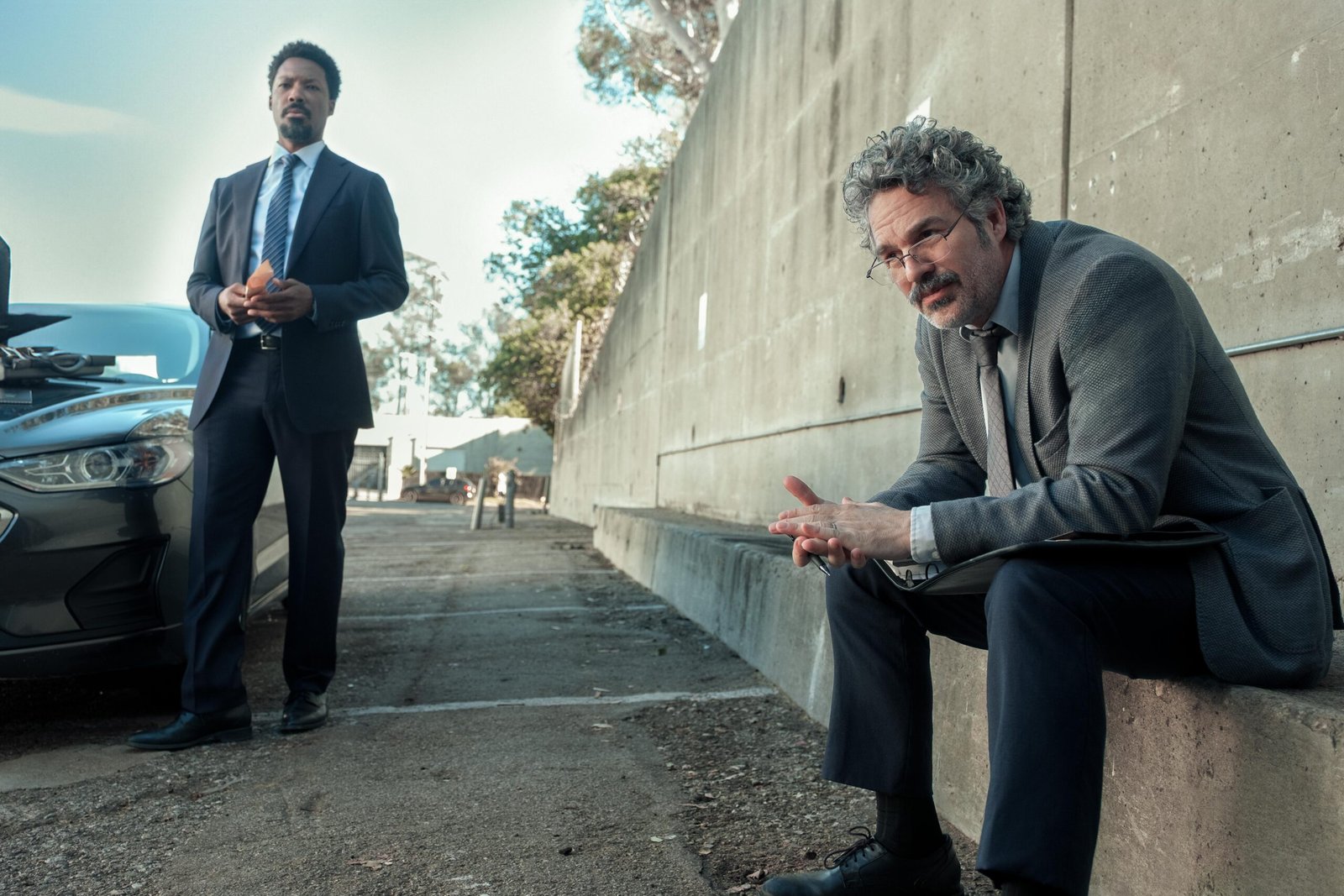
What makes CRIME 101 so gripping is its refusal to rush. The pacing is deliberate, almost hypnotic, allowing the audience to sink into the atmosphere of late-night surveillance, whispered conversations, and stolen glances that reveal more than words ever could. Los Angeles becomes a character of its own—cold, vast, and indifferent—framing the narrative with a sense of inevitability, as though the city itself is watching this chess match unfold.

The film’s emotional depth quietly sneaks up on you. Beneath the sharp dialogue and tightly wound plot lies a meditation on control, ego, and the cost of living by rigid rules. The criminal’s discipline begins to feel like both his greatest strength and his fatal weakness, while the detective’s relentless pursuit exposes cracks in his own sense of purpose. Their clash is not just about justice or escape, but about identity—who they are without the roles they’ve built their lives around.
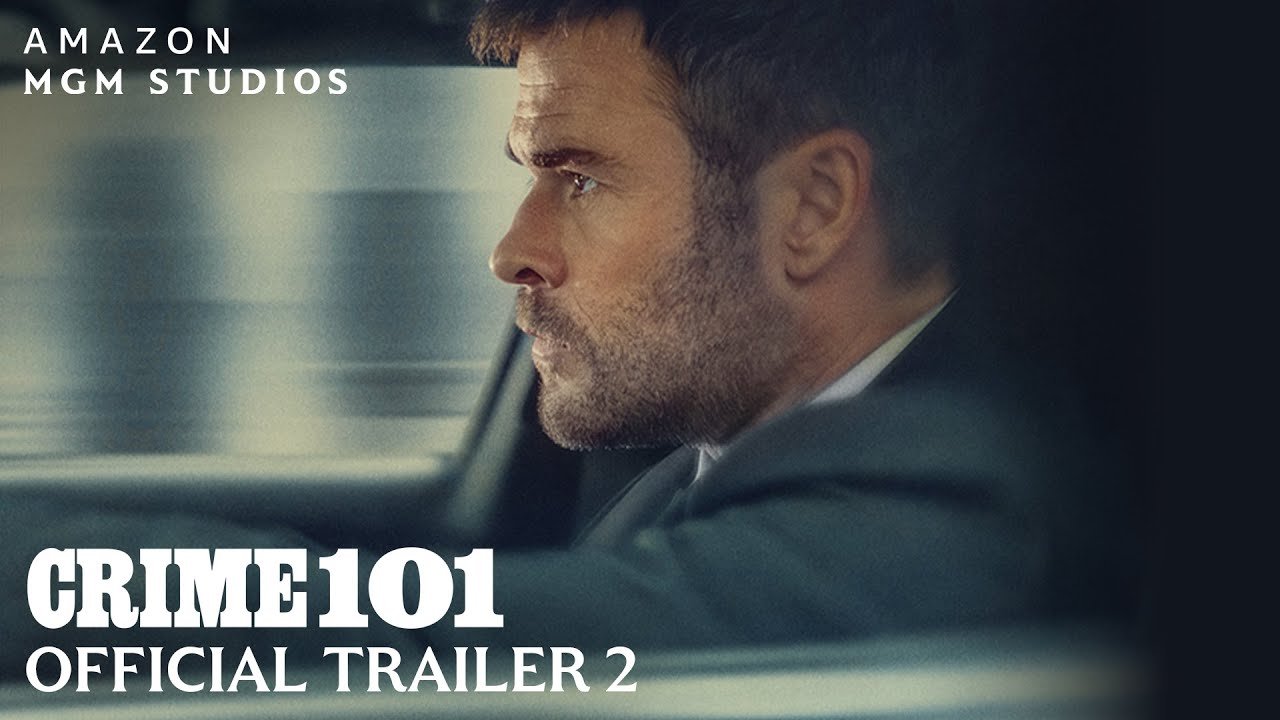
Visually, CRIME 101 is sleek and restrained, favoring mood over spectacle. The cinematography leans into shadows and muted tones, reinforcing the film’s themes of secrecy and restraint, while the score pulses subtly in the background, amplifying tension without overwhelming the story. Every stylistic choice feels intentional, reinforcing the idea that this world runs on precision and discipline, not excess.

By the time the film reaches its final moments, CRIME 101 leaves a lingering chill rather than a clean resolution. It doesn’t offer easy answers or heroic triumphs, instead delivering a conclusion that feels both inevitable and deeply unsettling. Long after the credits roll, the film stays with you—not because of explosive action, but because of its quiet intensity and the haunting realization that in a world governed by rules, breaking them may be the most human act of all.