
DEPT. Q — SEASON 2: THE SILENT WITNESS (2026)

April 3, 2026
Dept. Q — Season 2: The Silent Witness (2026) emerges as a chilling continuation of the gripping Nordic-noir atmosphere that made Dept. Q a standout in modern crime storytelling. Set once again in the rain-soaked, shadowy streets of Edinburgh, the new season deepens its psychological edge, pushing Detective Carl Morck into an even darker labyrinth of guilt, obsession, and buried truths. This time, the case isn’t just cold—it’s silent, almost deliberately erased, as if the past itself is conspiring to stay hidden. What begins as a seemingly straightforward missing-person file soon mutates into something far more sinister, hinting at a conspiracy that stretches across decades and social classes.
At the center of the narrative lies “The Silent Witness,” a victim who cannot—or will not—speak. The brilliance of the season lies in how it weaponizes silence, turning absence of testimony into a haunting presence that lingers in every scene. As Morck and his unconventional team—Akram, Rose, and the recovering Hardy—dig deeper, they uncover fragments of a brutal crime tied to elite privilege and long-forgotten violence, echoing themes from the original literary source material Department Q novels. Each clue feels like a whisper from the past, and every revelation adds weight to the question: what happens when justice is delayed not by failure, but by design?
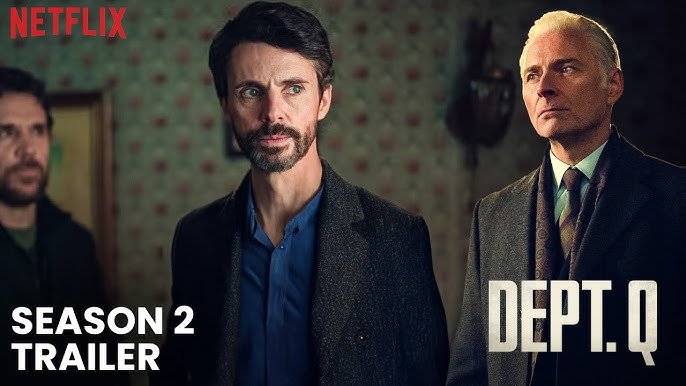
The storytelling is deliberately slow-burning, but never stagnant. Instead, tension coils tighter with each episode, interweaving past and present timelines in a way that feels both methodical and emotionally devastating. The show leans heavily into moral ambiguity—there are no clean heroes here, only damaged individuals trying to navigate a system riddled with corruption. Morck himself becomes increasingly unstable, haunted not only by the trauma of previous cases but by the realization that some truths, once uncovered, may destroy more than they heal. His interactions with victims and suspects alike blur the line between empathy and obsession, making him as unpredictable as the criminals he hunts.
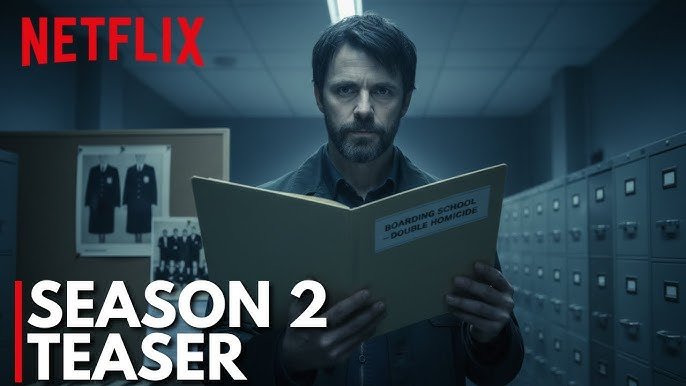
Visually, the season elevates its bleak aesthetic to near-poetic levels. Dim interiors, cold blue palettes, and suffocating close-ups create a sense of claustrophobia that mirrors the emotional imprisonment of its characters. Silence is used as a narrative device just as powerfully as dialogue—lingering shots, empty rooms, and unspoken exchanges carry as much meaning as any confession. The direction crafts an atmosphere where even the smallest detail—a glance, a photograph, a forgotten object—can feel loaded with dread. It’s not just a crime story; it’s an experience that seeps under your skin and refuses to let go.
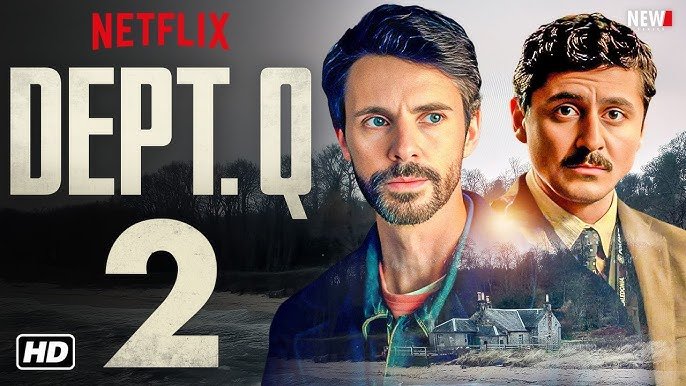
What truly sets this season apart is its thematic ambition. Beyond the central mystery, The Silent Witness explores the idea of complicity—how entire systems can enable injustice through indifference, fear, or convenience. The case gradually reveals a network of people who chose silence over truth, each contributing to a tragedy that could have been prevented. As Morck peels back the layers, the narrative forces viewers to confront uncomfortable questions about accountability and the cost of looking away. The villains here are not just individuals, but a culture of secrecy that thrives in the shadows.

By the time the season reaches its climax, the payoff is both shocking and emotionally resonant. The truth, when it finally surfaces, is not a moment of triumph but one of quiet devastation. Justice, in the world of Dept. Q, is never clean—it’s messy, incomplete, and often arrives too late. Yet it is precisely this realism that makes the series so compelling. The Silent Witness doesn’t just tell a story; it lingers, echoing long after the final scene fades, leaving behind a haunting reminder that some voices, once silenced, can still be heard—if someone is willing to listen.