
Handsome Devil: Charming Killer (2026)
March 22, 2026
Handsome Devil: Charming Killer grips you from the very first frame with its haunting blend of real-world horror and chilling introspection, unfolding like a psychological thriller that refuses to let go of its audience. The filmmakers masterfully weave a narrative that goes beyond a simple recounting of events, instead probing the unsettling question of why some violent figures captivate public attention in the age of social media. Every scene is charged with tension — from raw police footage to quiet, loaded interviews — creating an eerie rhythm that keeps you balanced on the edge of discomfort and fascination. What begins as a crime story quickly evolves into a meditation on fame, obsession, and the human impulse to be drawn toward darkness.
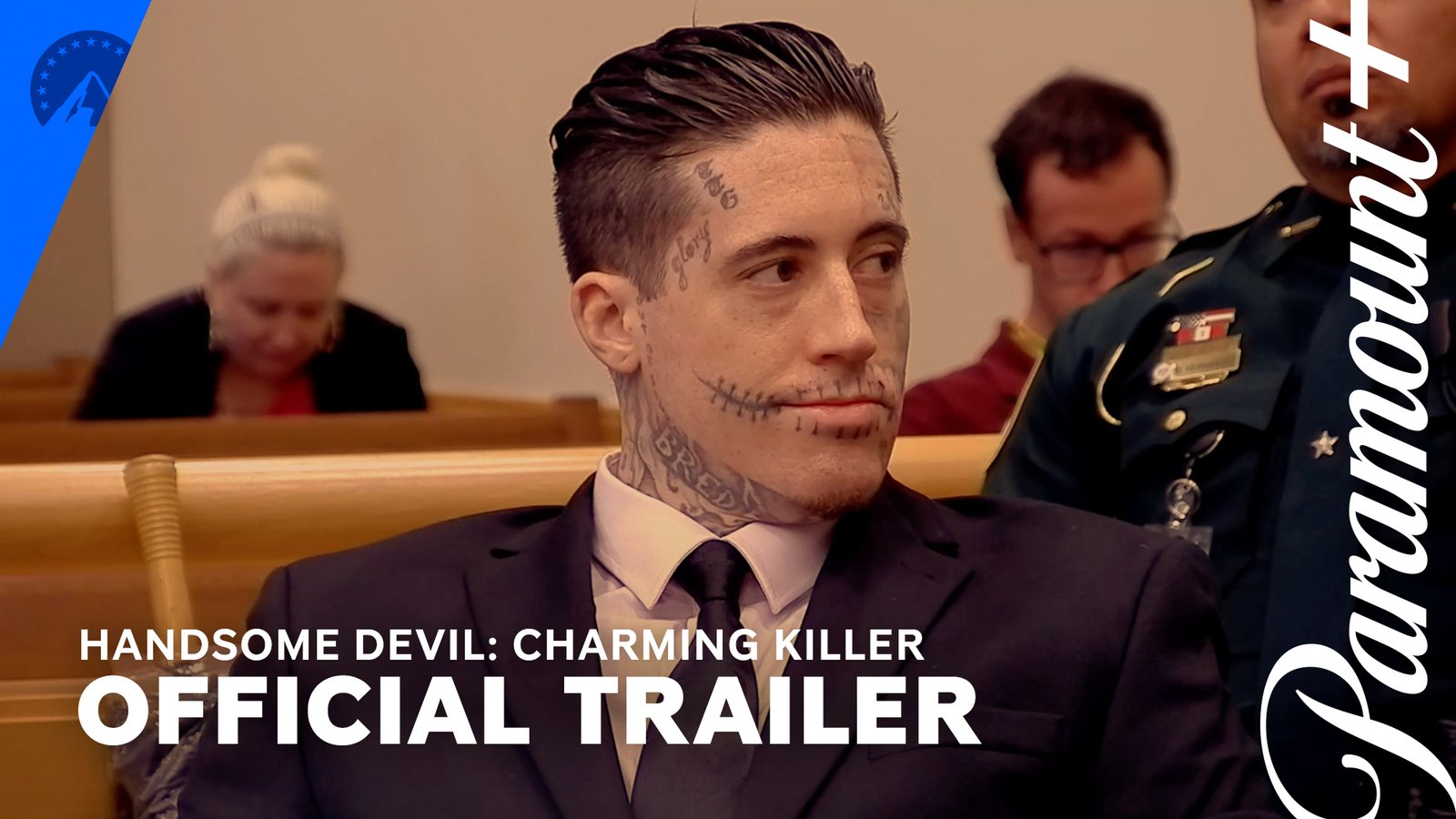
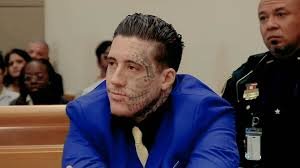
The central thread of the film follows Wade Wilson, a man whose brutal actions shocked the nation and whose very image became an unlikely cultural phenomenon. Rather than merely retelling the crimes, Handsome Devil: Charming Killer dismantles the layers of hype and horror surrounding so-called killers who become infamous icons. The documentary style is immersive and intimate, almost unsettling in its proximity to the truth, but this closeness is exactly what makes the story so powerful. You feel the weight of every decision made by law enforcement, every gasp from the courtroom, and every reaction from the families affected, creating a tapestry of emotion that refuses to remain distant.
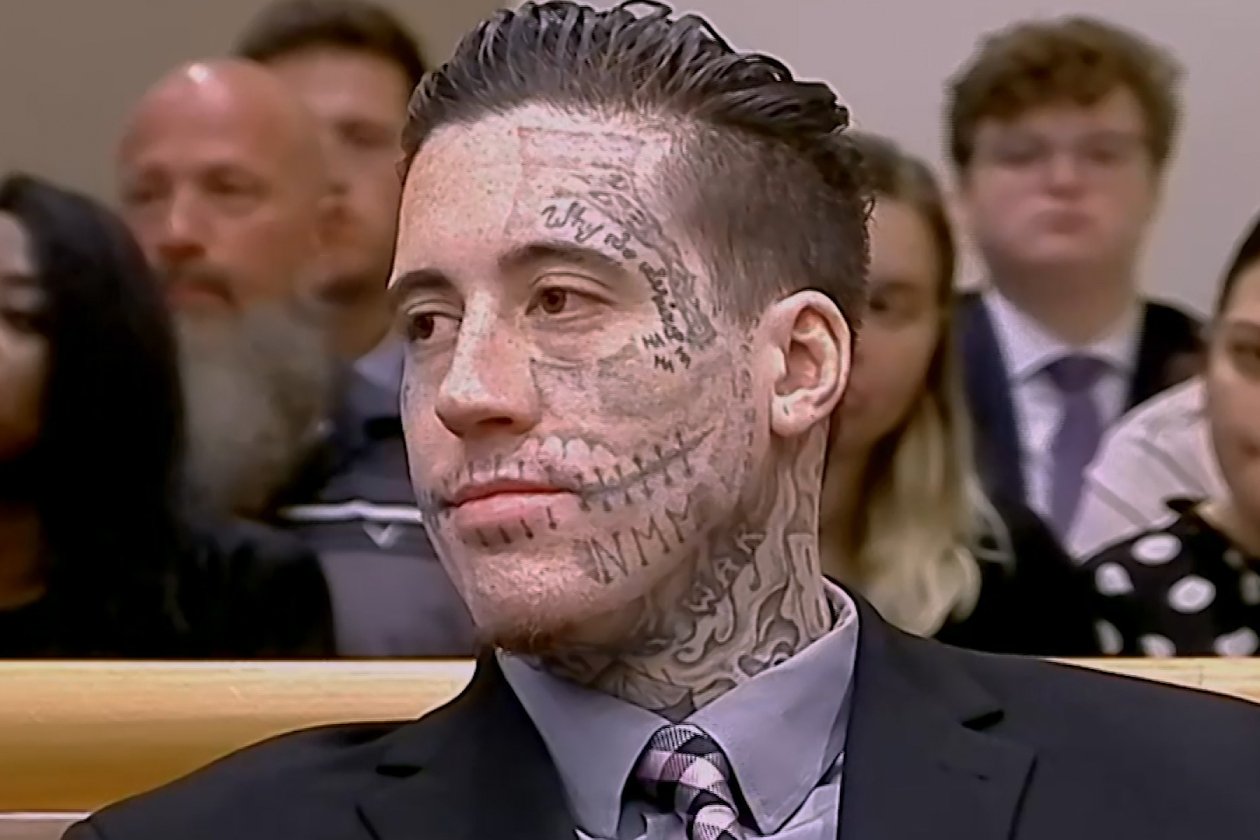
One of the most gripping aspects of the film is how it juxtaposes the brutality of the crimes with the strange allure that the killer’s image held online. The documentary doesn’t shy away from the horrifying details, yet it simultaneously forces viewers to confront their own complex reactions to violent notoriety. There’s a haunting effectiveness in the way the cinematography captures both stark reality and creeping fascination, encouraging you to question why some faces become etched into collective memory while others fade into anonymity. It’s a commentary not just on one man’s infamy, but on the voyeuristic pulse of the internet generation.
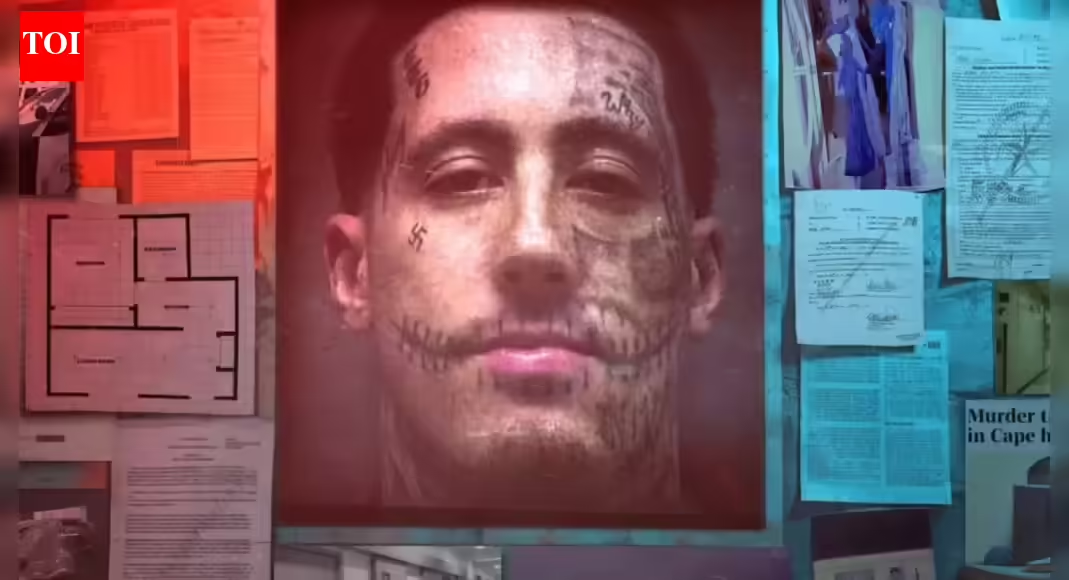
The pacing of Handsome Devil: Charming Killer is unrelenting — never rushed, yet never dull — seamlessly blending interviews, archival footage, and expert commentary into a narrative that feels both urgent and timeless. It’s a film that challenges the viewer to look past sensationalism and ask harder questions about accountability, empathy, and the cultural mechanisms that elevate certain criminals to notoriety. Far from glorifying violence, the documentary sharply critiques the ways in which media and social platforms can distort perception, turning horror into spectacle and viewers into complicit observers.
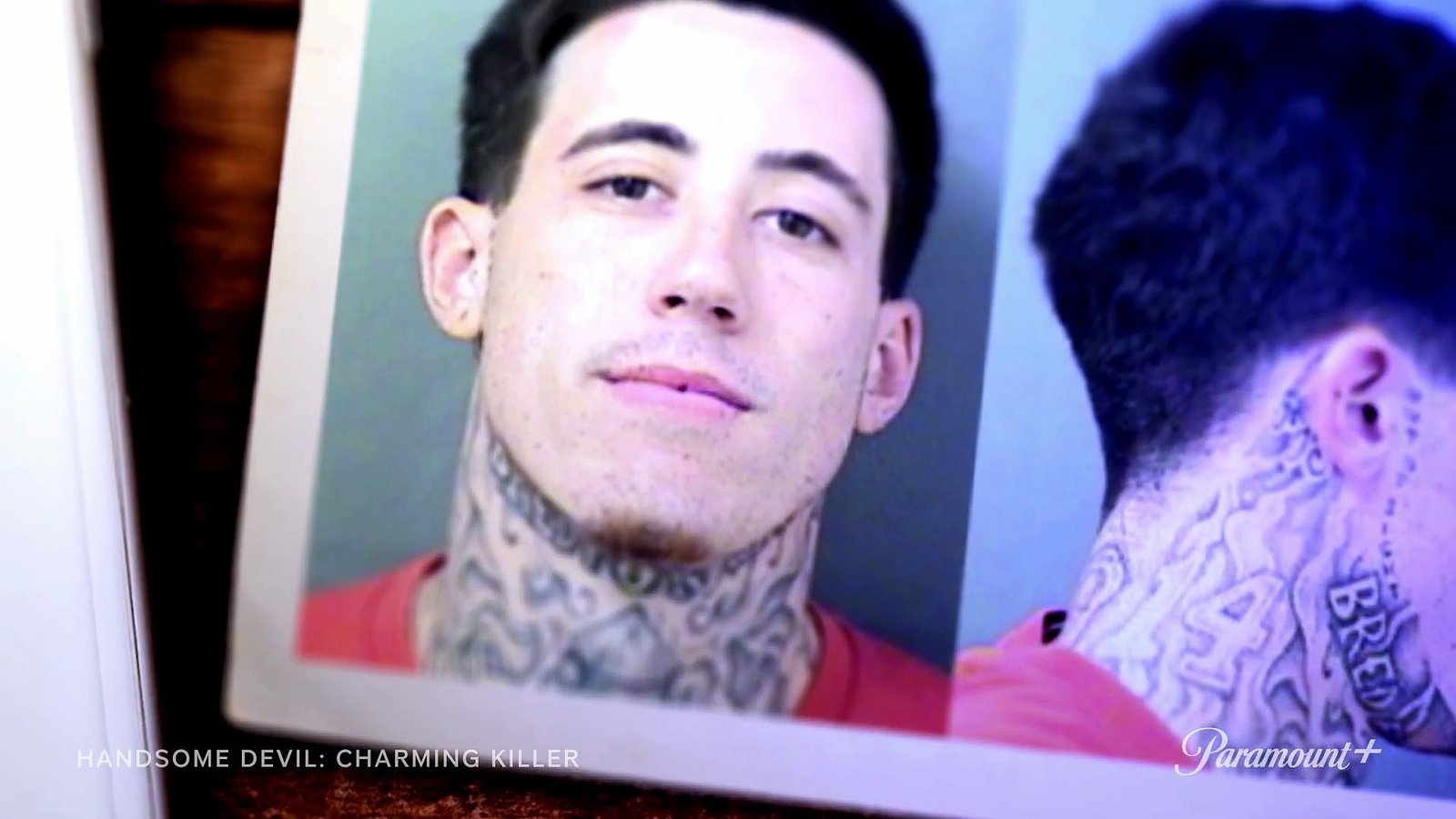
What makes this film truly unforgettable is its emotional depth. Beneath the surface of headlines and viral moments lies a profound exploration of grief, guilt, and the ripple effects of violence on real people. The stories of those affected — families, investigators, community members — are treated with care and respect, grounding the narrative in human reality even as it dissects the surreal aspects of online fascination. Each testimony adds a layer of gravity that anchors the film’s more sensational elements in genuine, heartbreaking consequence.
By the end of Handsome Devil: Charming Killer, you’re left with a lingering unease that resonates long after the credits roll — not merely because of the brutality depicted, but because of the way the film holds up a mirror to our collective psyche. It forces us to reckon with the uncomfortable truth that in the digital era, the lines between infamy and fascination are blurrier than ever, and that storytelling itself can both illuminate and distort the darkest corners of human behavior. This is a documentary that doesn’t just tell a story — it interrogates why we want to hear it in the first place.