
Heart of the Beast (2025)

December 24, 2025
From the very first frame of Heart of the Beast, director David Ayer plunges the audience into a harsh and unforgiving Alaskan wilderness where every breath feels like a battle and every step forward feels like a defiance of nature itself. Brad Pitt delivers one of his most grounded performances in years as a former Navy SEAL haunted by past missions yet driven by an unbreakable will to survive, and his bond with his loyal combat dog becomes the emotional compass that guides the entire narrative. The opening crash sequence sets the tone with stark realism and visceral tension, immediately drawing viewers into a world where hope is scarce but determination burns bright. The raw cinematography makes the icy landscape feel like another character — one as dangerous and unpredictable as any human enemy.
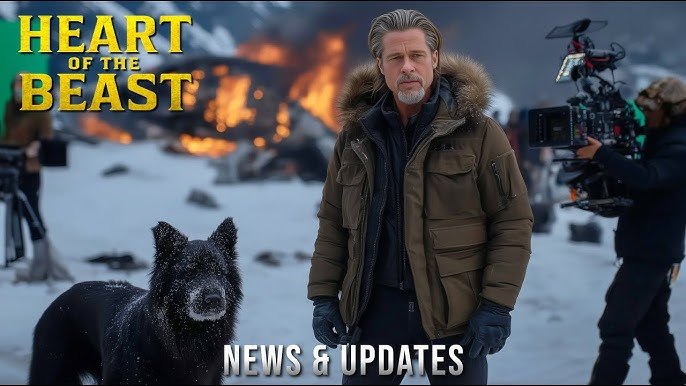
What makes Heart of the Beast truly compelling is how it balances pulse-pounding action with moments of quiet reflection. There are scenes of blistering survival maneuvers — evading wolves, scavenging for food, navigating treacherous ice fields — that are executed with precision and heart-stopping suspense, yet the film never loses sight of its emotional core. Ayer’s direction ensures that every danger encountered, every setback suffered, deepens the audience’s investment in the protagonist’s journey, transforming what could have been a straight survival flick into something much more poignant and introspective. Through flashbacks and subtle character beats, the story explores themes of loss, redemption, and the price of resilience.
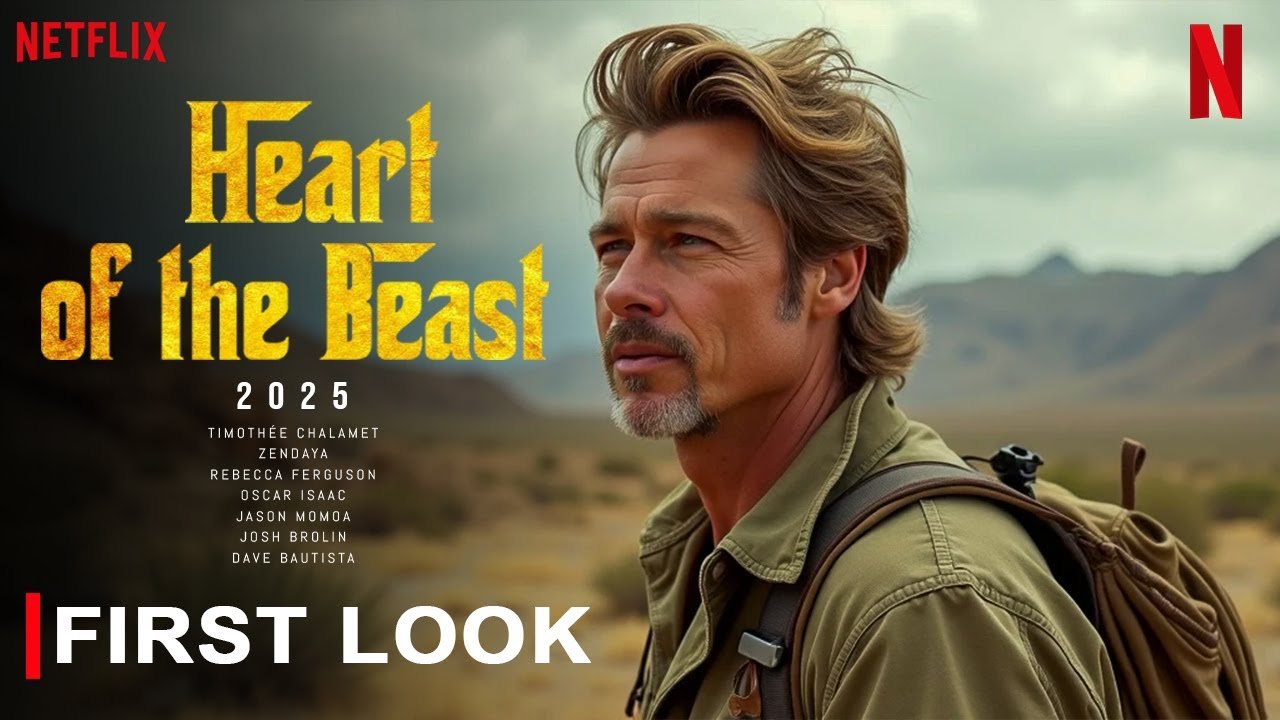
Brad Pitt’s chemistry with his canine co-star is a revelation, grounding the film in genuine affection and mutual reliance that transcends dialogue. Scenes that might have felt cliché in lesser hands become truly affecting here because the film allows moments of vulnerability to breathe. When Pitt’s character falters, it’s not just the physical cold he battles — it’s the weight of memories, guilt, and the yearning for connection. These emotional layers elevate Heart of the Beast beyond a simple survival tale to something more universal: a meditation on companionship, loyalty, and the lengths one will go to protect what matters most.
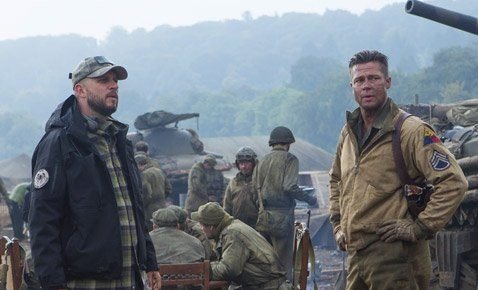
The supporting cast adds nuanced depth without stealing focus, creating a world that feels lived-in and compelling even when the narrative narrows to isolation and survival. The sparse use of dialogue enhances the film’s atmospheric tension, while bursts of human interaction — whether through fleeting radio chatter or chance encounters — provide crucial insights into the protagonist’s psyche and the world he’s desperately trying to reach. Narrative pacing is handled with care, balancing harrowing sequences with reflective pauses that allow the audience to catch their breath and ponder the emotional stakes at play.
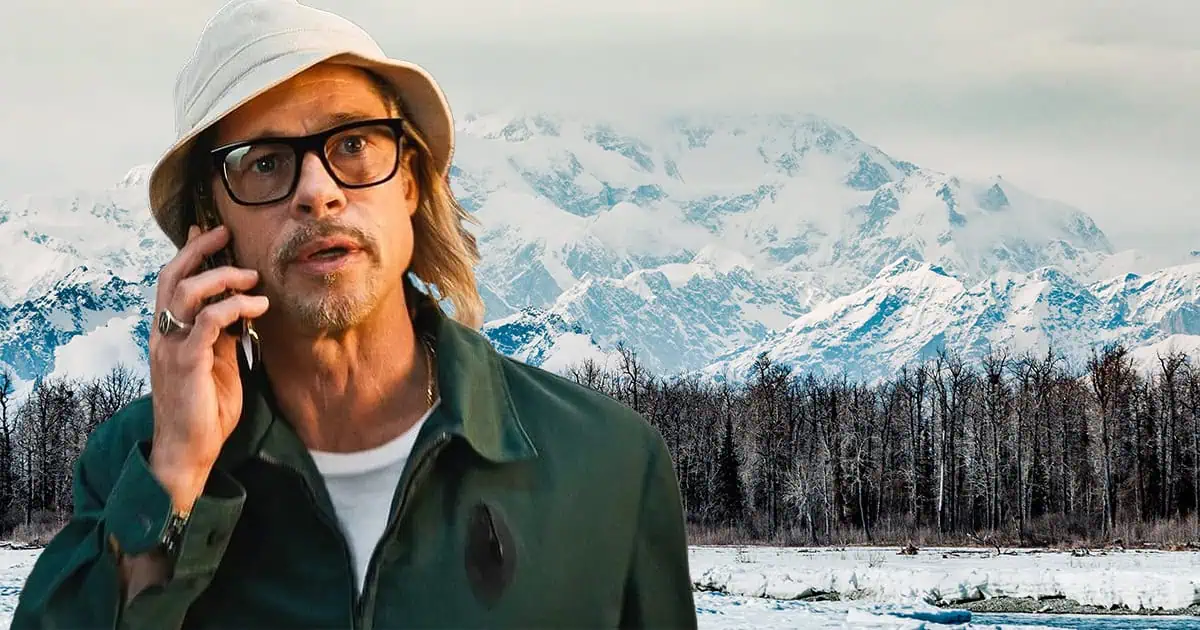
Visually, Heart of the Beast is stunning — each frozen vista, each storm-tossed plain, and each frail campfire glow is captured with a cinematic elegance that underscores the beauty and brutality of the natural world. The sound design amplifies this immersion: the howl of the wind, the crunch of snow beneath tired boots, and the quiet rustle of breath and heartbeat all contribute to an experience that feels almost tactile. The film’s score complements rather than overwhelms, weaving a sonic tapestry that deepens the emotional resonance of key moments and supports the film’s rhythmic shifts between tension and quiet introspection.
By its closing moments, Heart of the Beast leaves a lasting impression that lingers long after the credits roll. It’s a story of endurance and transformation, of the fragile yet ferocious human spirit tested against unrelenting odds. With powerhouse lead work, a thoughtful script, and a visceral sense of place, this film stands out as one of the year’s most engrossing cinematic journeys — a gripping adventure that is as emotionally grounding as it is thrillingly intense. Heart of the Beast doesn’t just entertain; it invites viewers to reflect on what it truly means to survive, and more importantly, what it means to live.