
HOW IT ENDS (2026)

March 18, 2026
How It Ends (2026) unfolds like a slow-burning nightmare disguised as a simple road trip, luring viewers into a deceptively ordinary beginning before plunging them into a reality that feels increasingly impossible to escape. The film follows a group of recent graduates who set out for one last night together—a farewell to youth before adulthood inevitably pulls them apart. But what starts as laughter, casual debates, and nostalgic bonding quickly spirals into something far more unsettling when they take a wrong turn onto a road that should not exist. The deeper they drive, the more the world behind them disappears, replaced by an endless stretch of asphalt surrounded by a suffocating, unknowable darkness that feels almost alive.
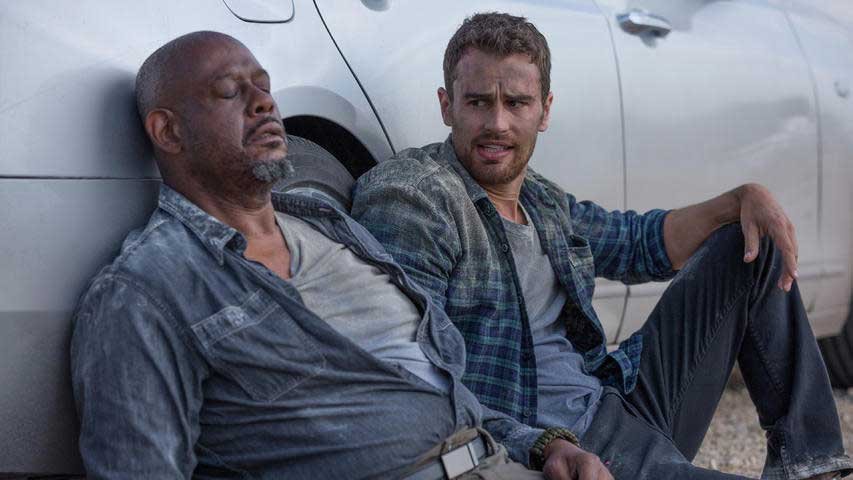
As the journey continues, the film masterfully builds tension not through cheap scares, but through a creeping sense of existential dread. Time becomes meaningless, the laws of physics begin to collapse, and the characters are forced to confront a terrifying realization: the road does not lead anywhere—it simply continues. Their car never runs out of fuel, their bodies resist exhaustion, and hunger fades into irrelevance, as if they’ve slipped into a dimension detached from reality itself. Strange figures emerge from the surrounding wilderness, screaming for help yet behaving like something far from human, creating an atmosphere that blurs the line between horror and psychological torment.

What makes the film truly gripping is how it transforms from a survival story into a deeply personal exploration of identity, regret, and the fear of growing up. Each character begins to unravel, revealing hidden truths and emotional scars they had buried beneath the surface. Confessions spill out in the confined space of the car, turning it into both a sanctuary and a prison. The road becomes a metaphor—an inescapable path that mirrors the uncertainty of adulthood, where every choice feels permanent and every mistake lingers. The horror is no longer just external; it’s internal, rooted in the characters’ inability to accept themselves and the lives they are about to step into.

The film’s pacing is deliberately hypnotic, pulling the audience into the same disoriented state as its characters. Days blur into nights without warning, distances lose meaning, and hope becomes a dangerous illusion. When the group discovers abandoned vehicles and signs of others who have faced the same fate, the story takes on an even darker tone. These remnants of failed escape attempts serve as chilling reminders that the road has claimed countless others before them. The tension doesn’t come from what might happen next, but from the horrifying possibility that nothing will ever change—that this endless journey is all there is.

Emotionally, the film reaches its peak when the group begins to fracture under the weight of despair. Some choose acceptance, surrendering to the inevitability of their situation, while others cling desperately to hope, even as it slowly destroys them. This clash of perspectives creates some of the most powerful moments in the story, forcing viewers to question what they would do in the same situation. Is it better to fight endlessly for a way out, or to find peace in the absence of one? The film refuses to provide easy answers, instead allowing its characters to drift apart in ways that feel painfully human.

By the time How It Ends reaches its haunting conclusion, it becomes clear that the journey was never about escaping the road—it was about confronting what lies within. The final moments leave a lingering sense of unease, suggesting that the true horror is not the endless road itself, but the realization that some paths in life have no clear destination, only the choices we make along the way. It’s a film that stays with you long after it ends, not because of what it shows, but because of what it makes you feel—lost, reflective, and quietly shaken by the thought that maybe, just maybe, we’re all already on that road.