
LIVING WITH GHOSTS (2025)

December 19, 2025
👻 “Living With Ghosts (2025)” is the kind of film that quietly slips under your skin and refuses to leave. From its opening moments, the movie sets an uneasy tone—not with cheap jump scares, but with silence, empty rooms, and the feeling that something unresolved is watching. The story follows a young woman who returns to her childhood home after her mother’s death, only to discover that the house is still very much occupied. These aren’t screaming, chain-rattling spirits, but lingering presences shaped by grief, regret, and things left unsaid. Right away, the film makes it clear: this isn’t just a ghost story—it’s about what happens when the past refuses to stayburied.
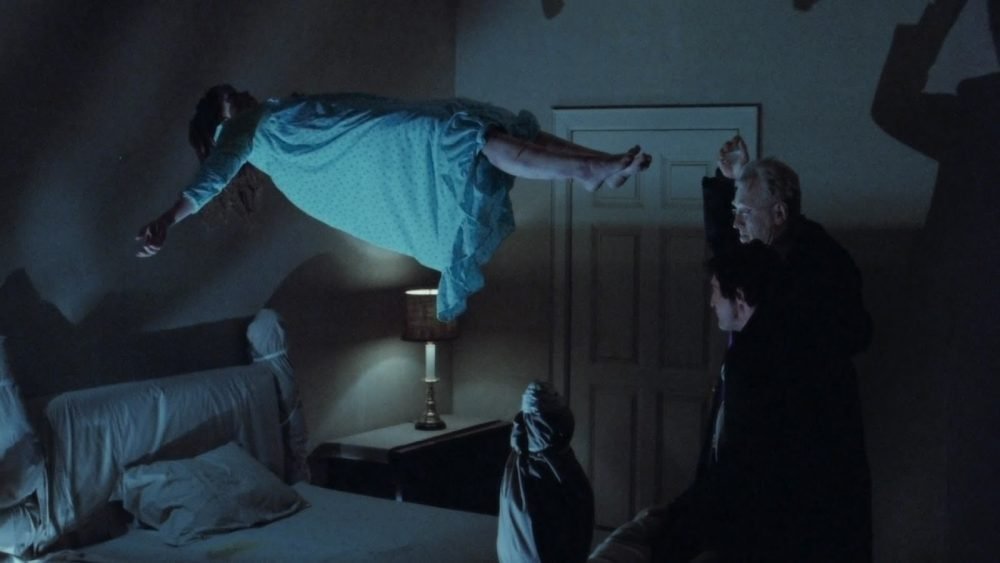
🏚️ What makes the film so compelling is how it blends supernatural horror with deeply human emotion. As the protagonist begins to experience strange occurrences—familiar voices, moving objects, shadows that feel oddly intimate—the movie slowly reveals that each ghost is tied to a specific memory or trauma. The screenplay is patient, letting scenes breathe, allowing discomfort to grow naturally. There’s a haunting dinner-table sequence where nothing overtly terrifying happens, yet the tension is unbearable because you feel the weight of absence in every empty chair. The ghosts don’t just haunt the house; they haunt conversations, relationships, and moments of silence.
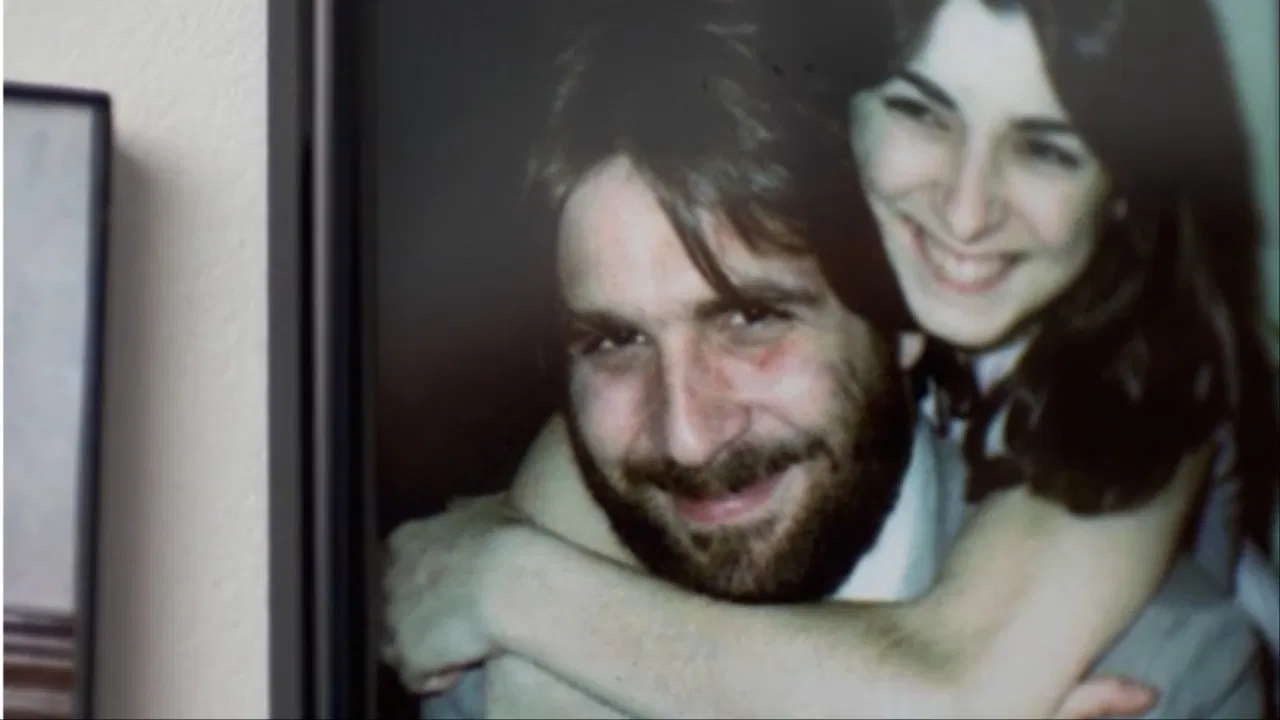
🕯️ The atmosphere is where “Living With Ghosts” truly shines. The cinematography favors dim natural light, dusty air, and long static shots that make you search every corner of the frame. The house itself feels like a living organism—creaking, sighing, remembering. Sound design plays a huge role: soft footsteps behind walls, distant whispers carried by the wind, the subtle hum of the house at night. The film understands that fear doesn’t always come from what you see, but from what you think you might see. Every shadow feels intentional, every pause loaded with meaning.
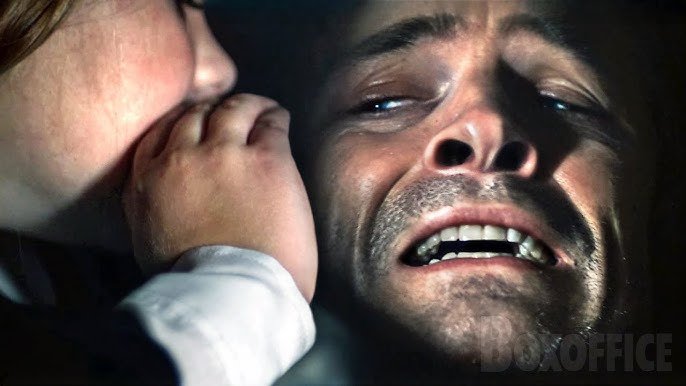
💔 At its core, this movie is about grief and the cost of avoidance. The ghosts aren’t evil—they’re unfinished. They represent apologies never spoken, love never expressed, and pain passed down quietly through generations. As the protagonist begins to confront these spirits, she’s really confronting herself: her guilt, her anger, and her fear of becoming trapped in the same emotional patterns. There’s a devastating mid-film revelation that reframes everything you’ve seen so far, turning the story inward and making the haunting feel heartbreakingly personal. It’s rare for a horror film to make you feel this emotionally exposed.
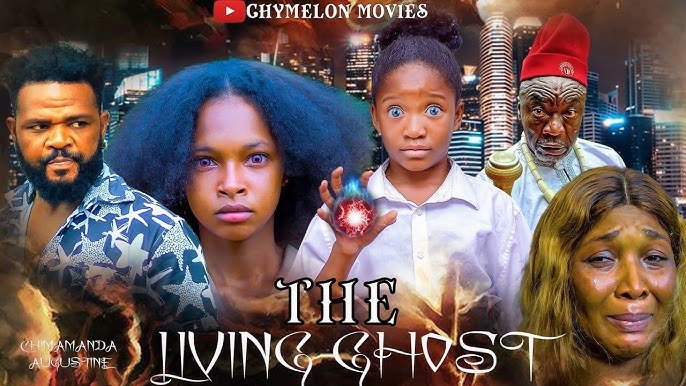
🌫️ The performances elevate the story to another level. The lead actor delivers a restrained, deeply believable portrayal of someone unraveling slowly, not dramatically. Her reactions feel real—confusion, denial, exhaustion—making the supernatural elements feel grounded. Supporting characters, especially a neighbor who may or may not understand what’s happening, add layers of ambiguity. You’re constantly questioning what’s real, what’s imagined, and whether that distinction even matters. The film never spoon-feeds answers, trusting the audience to sit with discomfort and draw their own conclusions.
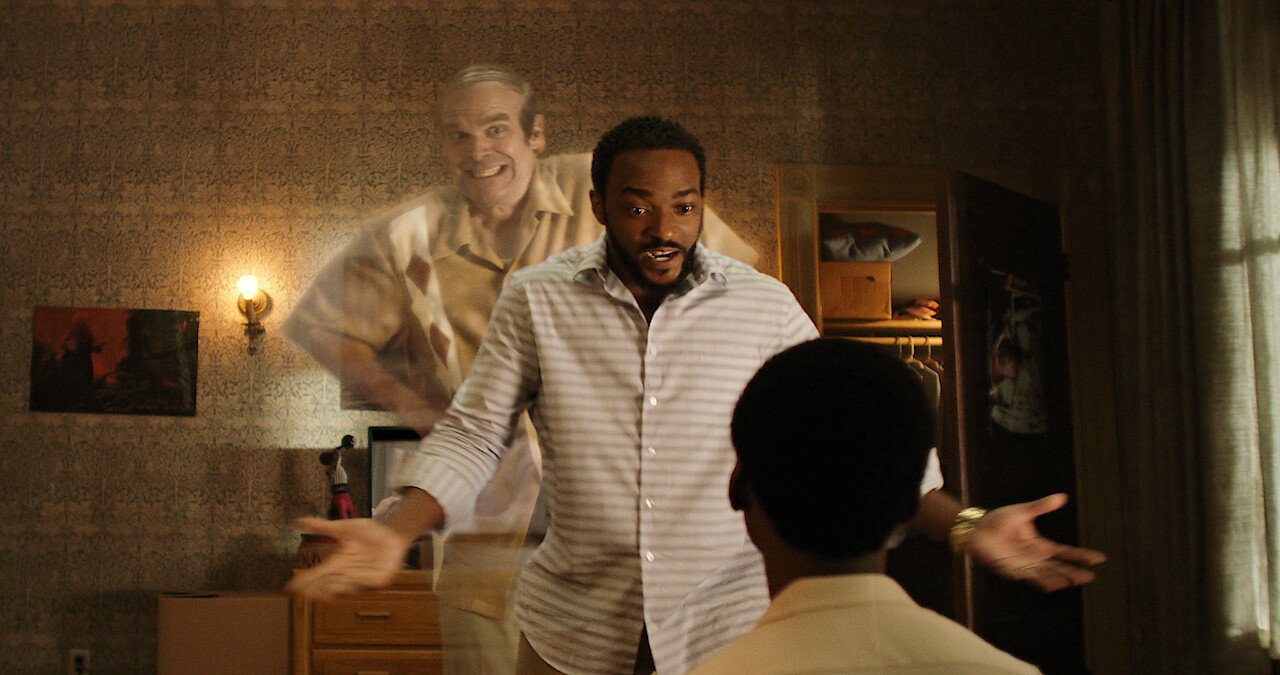
✨ By the final act, “Living With Ghosts (2025)” becomes something quietly profound. The resolution isn’t about defeating the ghosts, but learning how to coexist with them—or let them go. The ending is soft, melancholic, and deeply human, lingering long after the screen fades to black. This is a film that reminds you that sometimes the scariest things aren’t spirits in the dark, but memories we refuse to face. If you enjoy slow-burn horror with emotional depth and meaning, this movie isn’t just worth watching—it’s worth feeling. And once it’s over, you might find yourself listening a little more closely to the silence around you.