
Macho Dancer (1988)

December 6, 2025
Macho Dancer (1988) is a film that strikes with the force of raw truth, peeling back the glittery façade of nightlife to expose a world shaped by survival, desire, and desperation._ Set in Manila’s underground clubs, the story follows Paul, a young man drawn into the seductive but unforgiving universe of macho dancing. From the very first frame, the film constructs an atmosphere that is both alluring and suffocating, inviting viewers into a neon-lit labyrinth where the line between power and vulnerability is constantly shifting. The tone is unapologetically gritty, yet deeply tender in how it treats its characters’ struggles.
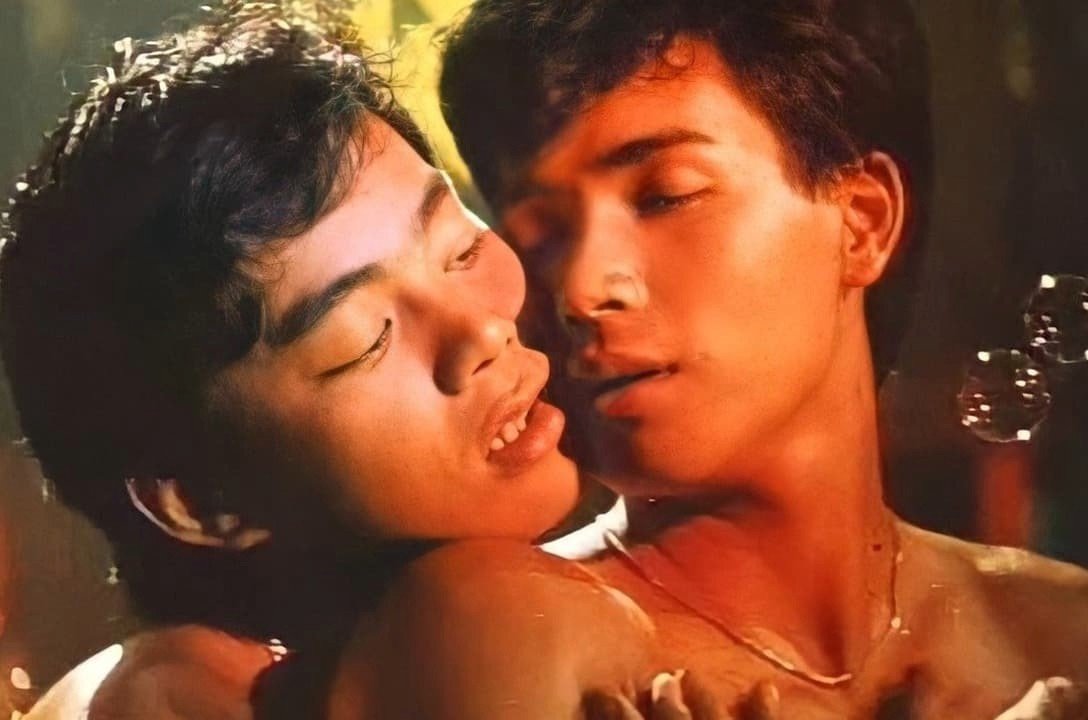
As Paul navigates this dangerous new environment, the film paints a striking portrait of a society where poverty, corruption, and exploitation intersect. His journey is not a glamorous rise but a descent—one marked by heartbreaking compromises and moments of shattered innocence. Each encounter he has, whether with fellow dancers, club patrons, or opportunistic handlers, further exposes the complex emotional and economic dynamics that shape this hidden world. Despite its harshness, the narrative never feels sensationalized; instead, it carries a haunting realism that lingers long after the scenes fade.
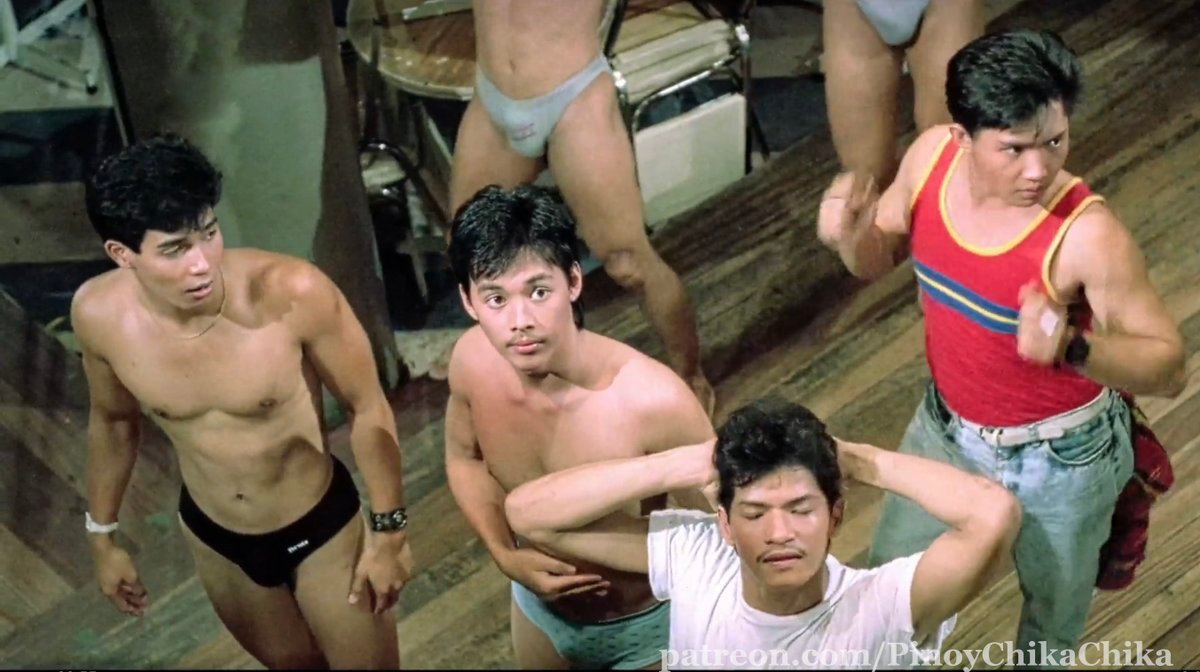
One of the film’s greatest strengths is the way it blends intimacy with social commentary. The director uses quiet, lingering shots to capture small, human moments—fear behind forced smiles, longing beneath choreography, exhaustion masked by shimmering lights. These moments act as emotional anchors, reminding viewers that behind the performances and bodies are individuals fighting for dignity. At the same time, the film boldly confronts systemic issues such as police brutality, political hypocrisy, and the cyclical nature of poverty, weaving them seamlessly into the personal arcs of the characters.
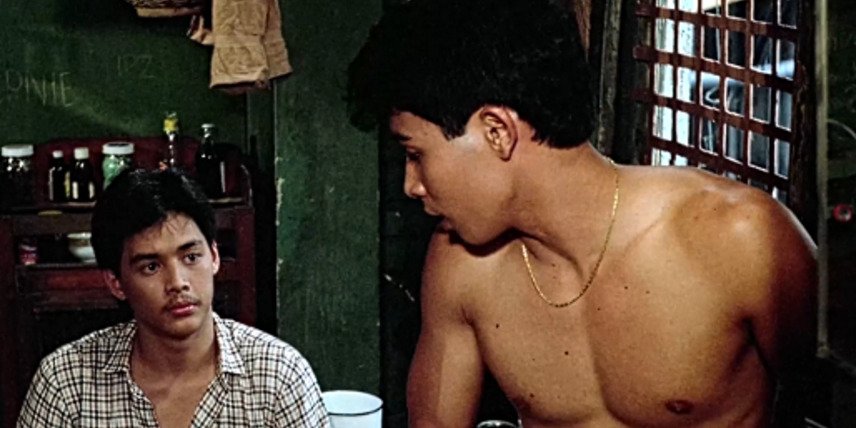
The performances elevate the entire experience. Paul’s portrayal is magnetic—fragile yet fierce, innocent yet hardened by circumstance. His evolution throughout the film is both painful and mesmerizing, drawing audiences into his internal battles as he clings to fleeting hopes while navigating unrelenting pressures. The supporting cast brings equal emotional weight, creating a tapestry of characters who feel startlingly real, from fellow dancers shielding each other to those who exploit the system for their own survival. Every character adds depth to the world, and every interaction feels loaded with unspoken meaning.

Visually, the film is stunning in its contrasts. The dance floor sequences explode with seductive energy, bathed in neon lights and pulsing rhythms, while the backstage and street scenes are shot with almost documentary-like starkness. This duality emphasizes the split realities the dancers inhabit—the façade they must maintain for their audience and the brutal truth that waits once the music stops. The cinematography transforms Manila into both a playground of illusions and a battleground of harsh realities, reinforcing the emotional tension that drives the narrative.
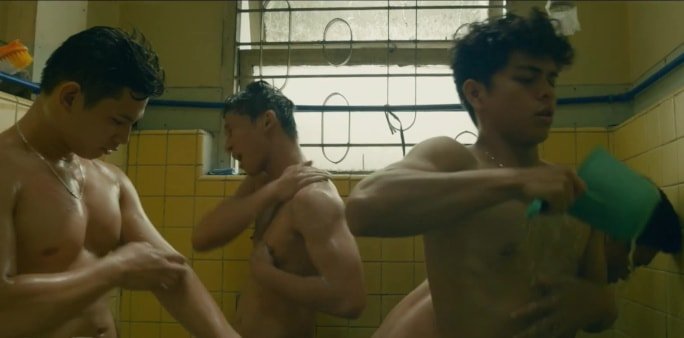
In the end, Macho Dancer stands as a bold, fearless piece of cinema that captures the human cost of survival within an unforgiving system. It is not merely a story about dancers, but about the invisible machinery of society that shapes—and often destroys—the lives of those at its margins. Powerful, unsettling, and deeply affecting, the film remains a landmark work that confronts viewers with uncomfortable truths while offering a poignant ode to re