
MARSHALS (2026)

February 20, 2026
Marshals (2026) explodes onto the screen with the quiet tension of a modern Western and the relentless pulse of a high-stakes crime drama, following Kayce Dutton as he leaves behind the rugged life of the ranch to step into the unforgiving world of federal law enforcement. The story begins in the aftermath of deep personal loss, where silence hangs heavier than gunfire, and Kayce’s decision to join an elite U.S. Marshals unit feels less like a career move and more like an act of survival. From the very first moments, the narrative grips the viewer with a haunting sense of purpose, showing a man torn between duty, grief, and the ghosts of the life he once knew, all set against the vast, unforgiving landscapes of Montana that mirror his internal isolation.

As the plot unfolds, the series leans heavily into the psychological cost of justice, portraying law enforcement not as heroic spectacle but as a burden carried by those who stand between order and chaos. Kayce’s team is introduced as a tight-knit yet emotionally fractured unit, each member bringing their own scars, secrets, and moral dilemmas into the mission. Their operations against violent gangs, fugitives, and organized crime are not just action sequences but moral battlegrounds, where every decision carries consequences that ripple into their personal lives. The tension between family and duty becomes a recurring theme, turning even quiet conversations into emotionally charged moments that deepen the drama far beyond typical procedural storytelling.

One of the most compelling aspects of the narrative is how it blends visceral action with introspective character development. Shootouts in remote terrains, high-speed pursuits across open plains, and covert operations in hostile territory are executed with cinematic intensity, yet the real power lies in the emotional aftermath of each mission. Kayce is portrayed not as an invincible hero, but as a man constantly questioning whether justice is worth the personal sacrifices it demands. His internal struggle—between the warrior he was, the cowboy he used to be, and the marshal he is becoming—creates a layered character arc that elevates the series into something far more profound than a standard action drama.
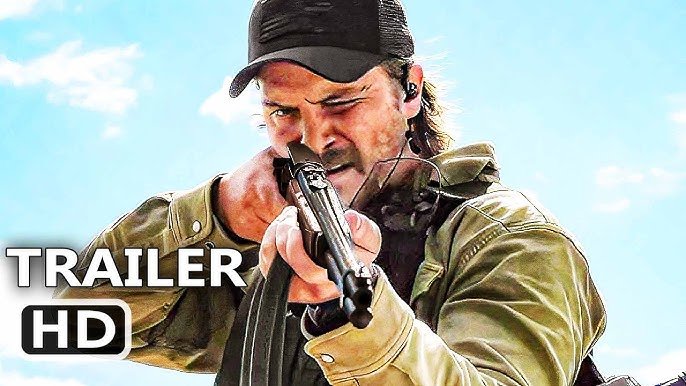
Midway through the story, the narrative deepens into a darker exploration of trauma and redemption, especially as Kayce confronts cases that mirror his own past experiences as a soldier and protector. The show cleverly intertwines past memories with present conflicts, allowing flashbacks and emotional triggers to shape his decisions in the field. Every criminal pursuit feels personal, every rescue mission feels symbolic, and every moment of hesitation reveals the psychological toll of being the last line of defense in a region plagued by violence. This emotional realism gives the story a haunting authenticity that lingers long after each episode’s climax.

The emotional core intensifies as the stakes rise, pushing the team into increasingly dangerous confrontations that test not only their skills but their loyalty to one another. Trust becomes fragile, alliances are strained, and the thin line between justice and vengeance begins to blur. Kayce’s leadership is challenged repeatedly, forcing him to redefine what it truly means to protect others while struggling to protect himself from the weight of his own grief. The narrative crescendos with a series of morally complex choices that refuse to offer easy answers, making every victory feel bittersweet and every loss deeply personal.
By the time the story reaches its powerful finale, Marshals (2026) transforms into an emotionally charged meditation on identity, sacrifice, and the cost of doing what is right in a broken world. Rather than offering a simple resolution, the ending leaves viewers with a lingering sense of reflection, emphasizing that justice is not a destination but a lifelong burden. With its atmospheric storytelling, intense character depth, and gripping narrative tension, the series stands as a bold and emotionally resonant evolution of the modern Western genre—an unforgettable journey that blends action, heartbreak, and moral complexity into a deeply immersive cinematic experience.