
MEMORY OF A KILLER (2026)
February 2, 2026
MEMORY OF A KILLER (2026)
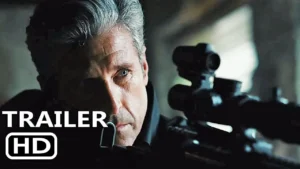
Memory of a Killer (2026) hits you quietly at first, then slowly tightens its grip until you realize you’re holding your breath. This isn’t a flashy action thriller or a loud crime film—it’s a slow-burning psychological descent. The movie centers on a professional killer whose most dangerous enemy is no longer the law, but his own failing memory. From the opening scenes, there’s a constant sense of unease, like something important is slipping away just out of reach. The pacing is deliberate, almost cold, and it perfectly mirrors the fractured mind of its protagonist. You can feel the weight of every forgotten detail. It’s the kind of film that demands patience and rewards attention.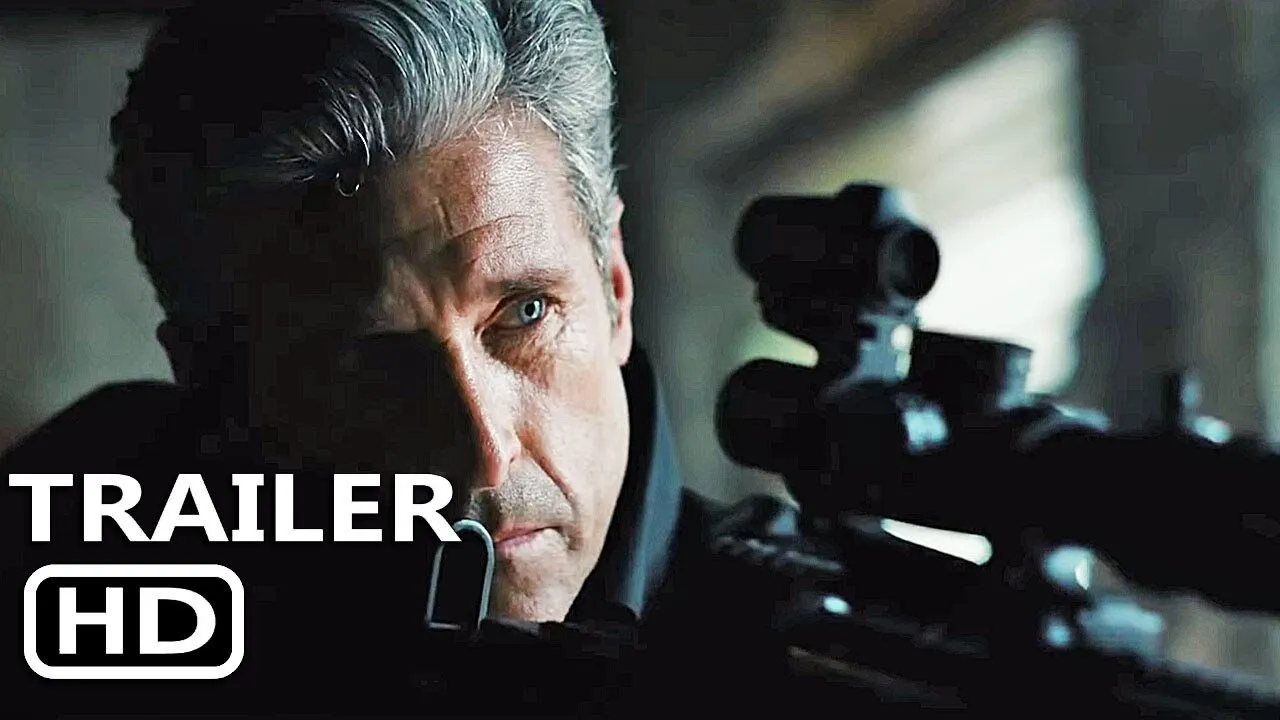
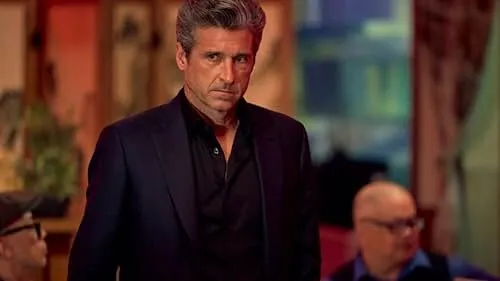
The main performance is the heart of the movie, and it carries an enormous emotional burden. The lead actor portrays a man who is terrifyingly competent one moment and painfully vulnerable the next. His eyes often say more than the dialogue ever could, especially in moments of confusion or sudden realization. Rather than playing the character as a typical assassin, the performance leans into regret, fear, and quiet desperation. You start to wonder whether he’s more dangerous when he remembers—or when he doesn’t. That internal conflict gives the film its emotional core. It’s haunting in a way that lingers long after the credits roll.
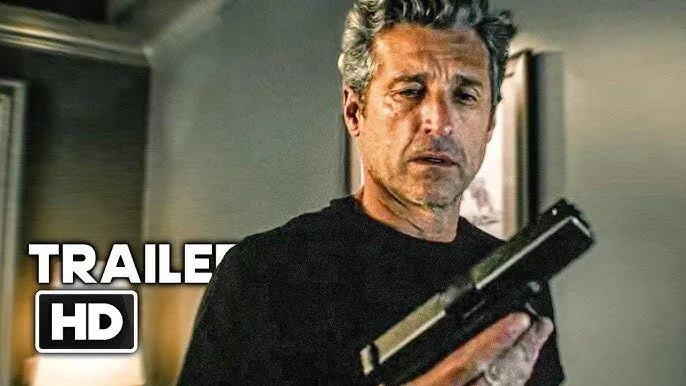
The screenplay smartly avoids overexplaining the memory loss, trusting the audience to piece things together. Flashbacks are used sparingly but effectively, often blurring the line between past and present. At times, you’re not entirely sure whether what you’re seeing is real, remembered, or imagined. This uncertainty pulls you directly into the character’s mental state. The dialogue is sharp, restrained, and often loaded with subtext. Silence plays just as important a role as words. Every conversation feels like it could be the last one the character truly understands.
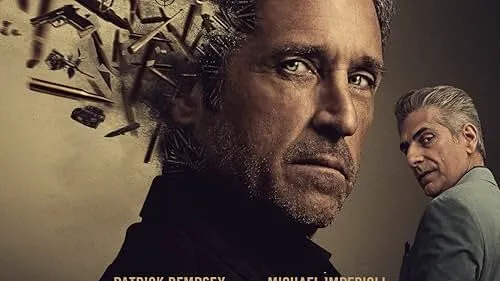
Visually, Memory of a Killer is bleak, stylish, and intentionally cold. Muted colors dominate the frame, reinforcing the themes of loss and detachment. The cinematography favors close-ups, trapping the audience inside the protagonist’s fractured perspective. Action scenes are rare but impactful, shot in a grounded, almost uncomfortable way. There’s no glorification of violence here—only consequence. Even the environments feel hostile, as if the world itself is erasing him piece by piece. The visual storytelling is subtle but deeply effective.
The film also raises unsettling moral questions without offering easy answers. Is a killer still responsible for crimes he can no longer remember? Can redemption exist without memory? As the story unfolds, these questions become heavier and more personal. The lines between justice, punishment, and mercy blur in disturbing ways. The movie never tells you what to think—it simply presents the dilemma and lets it sit with you. That ambiguity may frustrate some viewers, but it’s exactly what gives the film its power.
By the end, Memory of a Killer feels less like a crime thriller and more like a tragic character study. It’s somber, thoughtful, and emotionally draining in the best possible way. This is not a movie you watch casually—it asks for your full attention and emotional investment. While it may not appeal to fans of fast-paced action, it will resonate deeply with viewers who enjoy psychological depth. The final moments are quiet, devastating, and unforgettable. Long after it ends, you’ll still be thinking about what it truly means to lose yourself.