
NINE PERFECT STRANGERS — SEASON 2 (2026)

February 23, 2026
Nine Perfect Strangers — Season 2 (2026) returns with a colder, darker, and far more psychologically intense atmosphere, transporting viewers from the sunny serenity of the first retreat into a haunting Alpine sanctuary where healing feels less like a promise and more like a dangerous experiment. At the center once again is the enigmatic wellness guru Masha, whose mysterious methods blur the line between therapy and manipulation as a brand-new group of emotionally fractured strangers arrives seeking transformation. From the very first moments, the season establishes an unsettling tone—snow-covered landscapes, isolated luxury, and a sense that every character is hiding a truth they’re terrified to confront, even from themselves.

As the retreat unfolds, the narrative slowly peels back the layers of each guest’s trauma, ambition, guilt, and desperation, weaving their personal stories into a complex psychological web. Unlike a typical drama, the season thrives on tension that simmers rather than explodes, drawing viewers into long, introspective sequences where silence speaks louder than dialogue. Each therapy session becomes a psychological battlefield, where buried memories resurface and emotional defenses collapse, revealing how fragile the human mind truly is when pushed to its limits. The show’s brilliance lies in how it makes you question whether Masha is a healer, a manipulator, or a woman trying to fix herself through others.
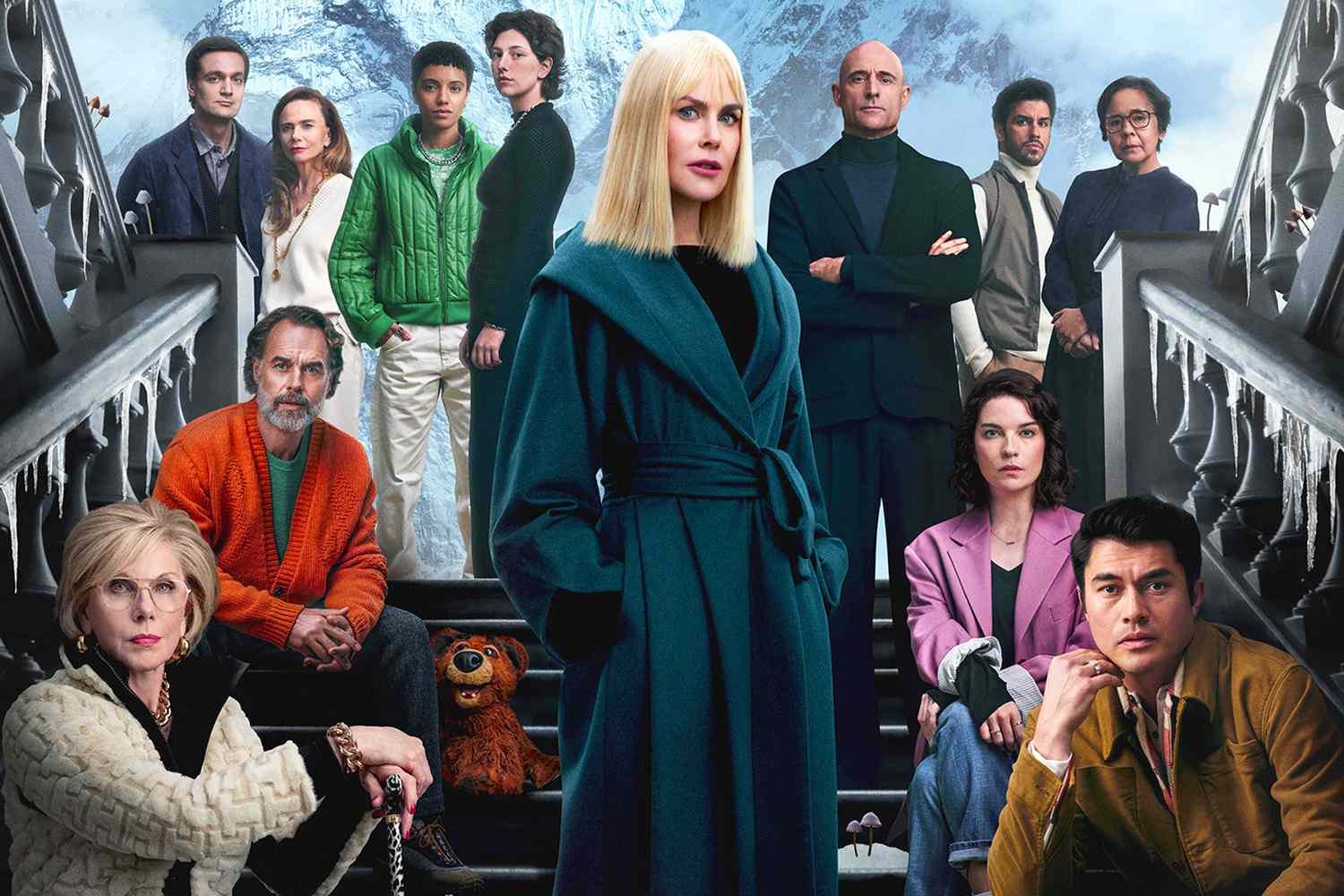
What makes this season especially gripping is its deeper focus on Masha’s past, giving her character a haunting emotional weight that reshapes the entire narrative. Her motivations no longer feel purely philosophical but deeply personal, tinged with grief, regret, and a desperate need for control. The strangers, meanwhile, begin to realize that their connections may not be random at all, and that the retreat was designed with a hidden purpose. This revelation shifts the story from a slow-burn character study into a layered psychological mystery, where every interaction carries hidden meaning and every breakthrough comes with emotional consequences.

Visually, the season leans into an eerie elegance, using the snowy Alpine setting to mirror the emotional isolation of its characters. The luxurious retreat, though beautiful, feels like a gilded cage—quiet, controlled, and subtly suffocating. The atmosphere becomes a character in itself, amplifying the suspense as hallucinations, therapy experiments, and mind-altering techniques blur the boundary between reality and perception. The pacing may feel deliberate, but it serves a larger purpose: to immerse viewers in the same disorientation and vulnerability experienced by the guests.

Midway through the season, the story takes a more intense psychological turn as hidden relationships and personal secrets collide, exposing how deeply interconnected the strangers truly are. Emotional confrontations grow sharper, alliances shift unpredictably, and the therapeutic process becomes increasingly controversial, raising moral questions about consent, healing, and emotional manipulation. The tension no longer comes solely from external drama, but from internal breakdowns—characters facing the versions of themselves they’ve spent years avoiding.

By the finale, Nine Perfect Strangers — Season 2 transforms into a haunting exploration of trauma, identity, and the price of self-reinvention. Instead of offering simple resolutions, the season leaves viewers with lingering ambiguity, forcing them to reflect on whether true healing can ever be ethically engineered. It is a hypnotic, psychologically layered continuation that prioritizes atmosphere, character depth, and emotional complexity over conventional thrills, delivering a story that feels less like a retreat and more like a psychological awakening wrapped in mystery, beauty, and quiet emotional devastation.