
Return to Silent Hill (2026)
January 25, 2026
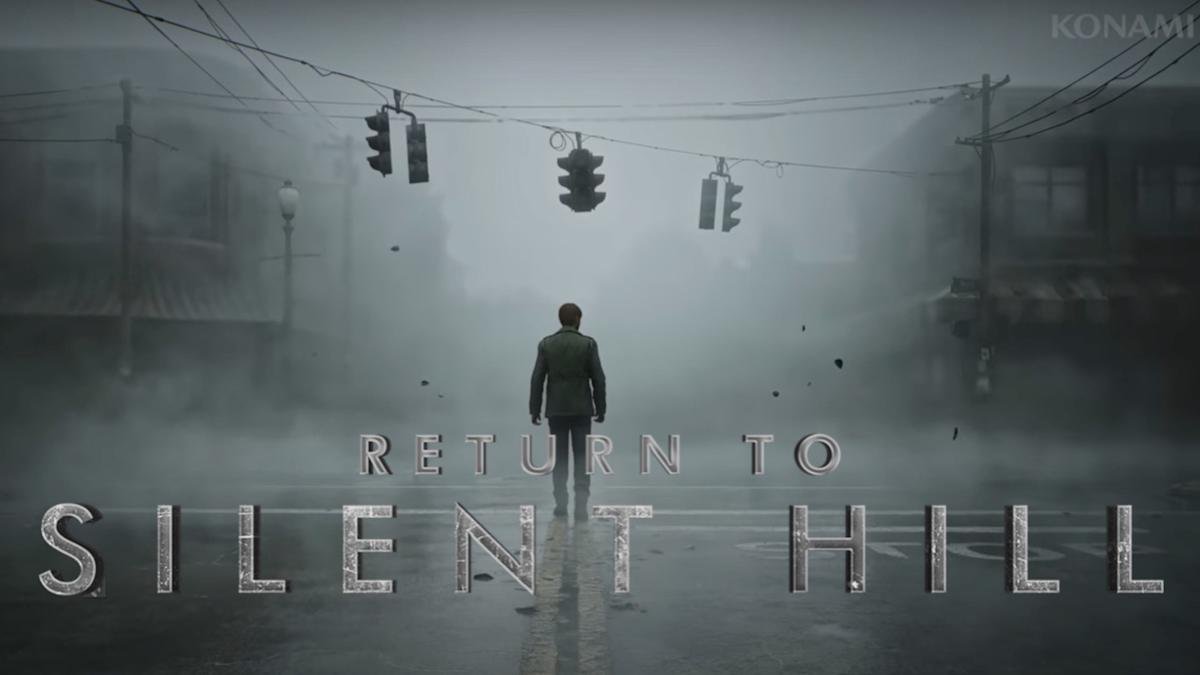
Return to Silent Hill (2026) plunges you headfirst into a fog-choked world where reality and nightmare are inseparably woven together. From the opening moments, the eerie, deserted streets and ash-falling skies establish an atmosphere thick with dread, immediately immersing the audience in the unsettling pulse of Silent Hill. The story follows James, a haunted artist compelled to return to this cursed town by a cryptic letter from his lost love. What begins as a desperate quest for answers quickly devolves into a psychological labyrinth where James must confront the twisted shadows of his own guilt and grief, making the film not just a horror experience, but an emotional descent into the darker corners of the human psyche.
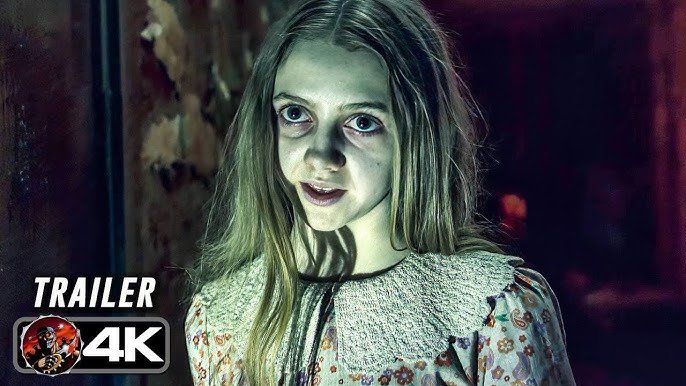
The narrative constantly blurs the lines between what is real and what is imagined, taking audiences on a disorienting journey where memories bleed into grotesque visions. James’s encounters with figures who resemble his lost partner — in forms both tender and terrifying — underscore the film’s central theme: love that refuses to die can become its own kind of monster. These character arcs bring a raw, human vulnerability to the story that anchors the surreal horrors, elevating moments of terror with genuine emotional weight. Even as the town’s nightmarish transformations intensify, the core of the film remains James’s internal struggle, making his trauma as disturbing as the creatures that stalk him.
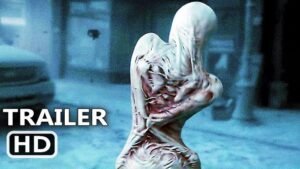
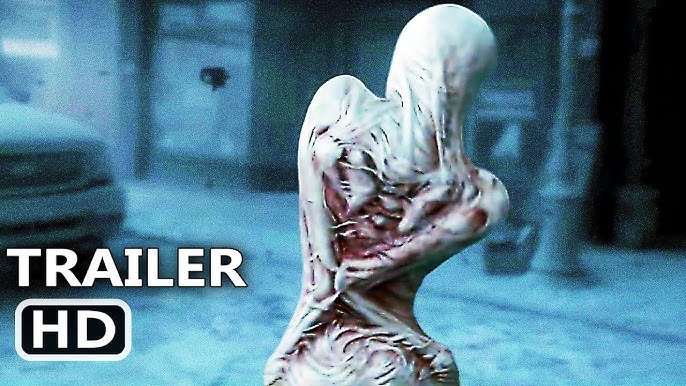
Visuals throughout the film are hauntingly crafted, with fog-laden alleys, crumbling buildings, and bizarre creature designs that feel lifted from fever dreams. Every frame brims with unsettling imagery, and the use of practical effects and creature performances adds a tactile tension that keeps you on edge. The iconic monstrous figures — looming silhouettes, distorted nurses, and towering embodiments of James’s fear — are terrifying not just for their form but for the way they embody psychological dread. This relentless visual assault makes the movie feel alive with menace, pulling you deeper into Silent Hill’s cursed embrace.
Despite these strengths, the film’s pacing and structure can sometimes feel like a maze without a clear path. Loops of flashbacks and dream sequences occasionally blur intent and resolution, asking audiences to piece together fragmented bits of reality and nightmare on their own. While some viewers will appreciate this ambiguity as part of the film’s unsettling charm, others may find it frustratingly opaque. Yet, even in its most confusing moments, the film’s commitment to exploring the psyche of its protagonist gives every twist and hallucination purpose, ensuring that the lack of straightforward clarity never feels entirely aimless.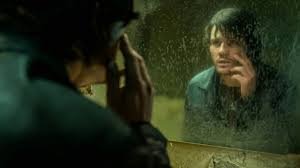
The emotional core of the film — James’s unending love and torment — resonates long after the credits roll. What sets this adaptation apart from more conventional horror fare is its willingness to linger on the cost of clinging to loss. The film doesn’t just scare you with shadows and screams; it forces you to sit with the ache of what it means to let go. This thematic depth gives the horror a poignancy that stays with you, turning a journey through a cursed town into an exploration of grief’s hold on the human heart.
Ultimately, Return to Silent Hill delivers a haunting and immersive experience that will satisfy fans of atmospheric horror and psychological drama alike. It isn’t afraid to challenge viewers with ambiguity, to push the boundaries of emotional storytelling, and to confront the terrifying idea that the demons we carry inside can be more fearsome than any creature of the night. For those willing to embrace its eerie, winding path, the film offers a deeply affecting and unforgettable descent into darkness.