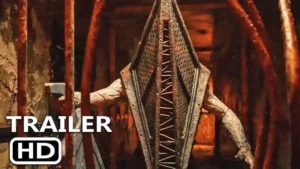
Return to Silent Hill (2026)
January 17, 2026
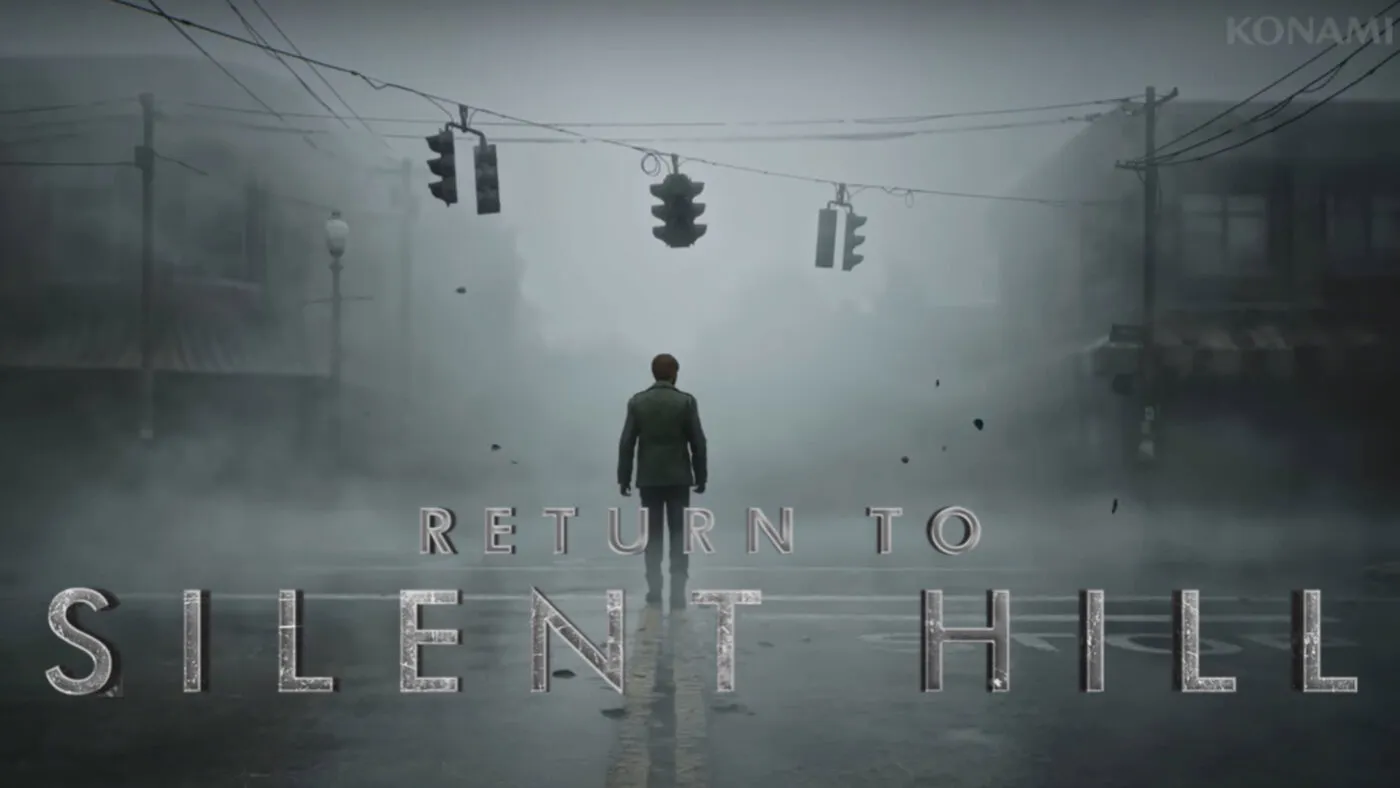
🌫️ Return to Silent Hill (2026) brings audiences back into one of horror cinema’s most unsettling worlds, reviving the franchise with a darker, more psychologically focused approach. From the opening moments, the film establishes an atmosphere thick with dread, fog, and emotional despair. Silent Hill is once again portrayed not just as a place, but as a manifestation of guilt, trauma, and suppressed memory. The pacing is deliberately slow, allowing tension to build through silence and disturbing imagery rather than constant shocks. This return feels more faithful to the spirit of the games, emphasizing mood over spectacle. It’s a chilling descent rather than a loud horror ride.
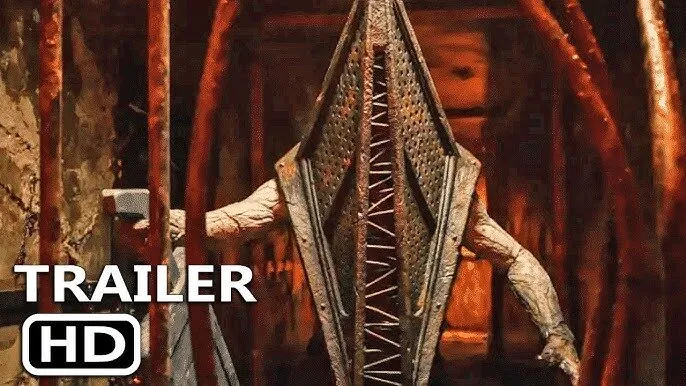
🧠 The story centers on a deeply broken protagonist, drawn back to Silent Hill by loss and unanswered questions. Rather than relying on exposition, the film reveals character through haunting visions and fragmented memories. The emotional core is rooted in grief, regret, and the inability to move on. The performance is restrained but powerful, conveying fear and confusion without exaggeration. As the town reacts to the character’s inner turmoil, the line between reality and illusion slowly dissolves. This psychological focus gives the horror real emotional weight.
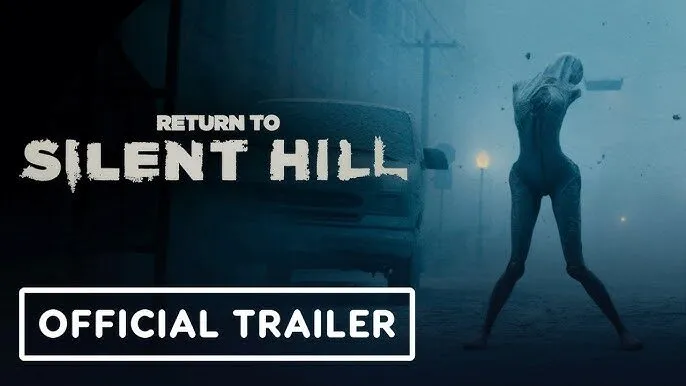
👹 The monsters in Return to Silent Hill are disturbing and symbolic, designed to reflect personal sins and unresolved trauma. Each creature feels intentional rather than random, reinforcing the town’s role as a punishing mirror of the soul. Practical effects and restrained CGI work together to create grotesque yet grounded designs. The film avoids overusing monsters, making each appearance deeply unsettling. Familiar horrors return alongside new terrors. Fear comes from meaning, not just appearance.
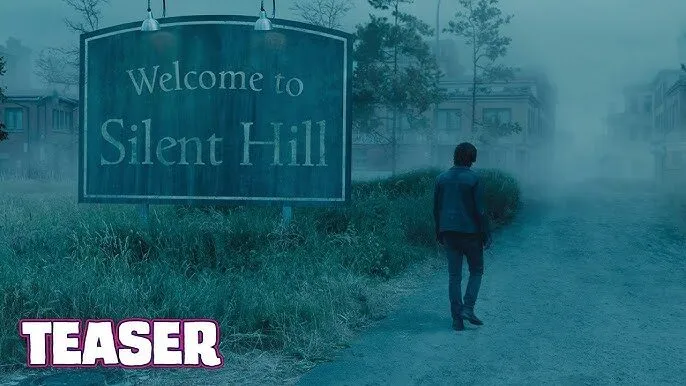
🏚️ Visually, the film is haunting and oppressive, with fog-drenched streets, decaying buildings, and flickering lights that create constant unease. The cinematography favors long takes and slow camera movement, allowing dread to linger. The town feels abandoned yet alive, as if watching every step. Color grading leans heavily into muted grays and sickly tones. The environment feels cold, damp, and suffocating. Silent Hill itself becomes the film’s most terrifying character.
🎶 Sound design plays a crucial role in maintaining tension, using industrial noise, distant echoes, and unsettling silence. The music is minimalistic and atmospheric, often fading into ambient dread rather than traditional scoring. Sudden sounds are used sparingly, making them far more effective. Every footstep and breath feels amplified. The audio experience keeps the viewer constantly on edge. It’s horror built through sensory immersion.
🌑 Return to Silent Hill (2026) concludes with a bleak, emotionally resonant ending that refuses easy answers. The film embraces ambiguity, leaving interpretation up to the audience. Rather than offering closure, it reinforces the idea that some wounds never fully heal. This ending will linger long after the credits roll. It’s a mature, haunting continuation that respects the franchise’s roots. A powerful return that understands Silent Hill is not about escape—but confrontation.