
SICARIO 3

January 12, 2026
Sicario 3 arrives like a slow-burning threat on the horizon, expanding the brutal universe of the franchise with a darker, more introspective edge while never abandoning its raw intensity. The film plunges the audience back into the moral wasteland of the U.S.–Mexico border, but this time the violence feels heavier, more personal, as if every gunshot carries the accumulated guilt of the previous chapters. From its opening moments, the tone is suffocating and ominous, signaling that this is not a story about victory or justice, but about survival in a world where the line between hunter and monster has long since disappeared.
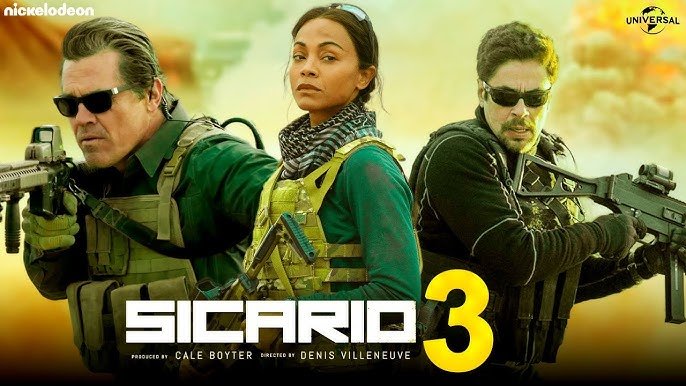
At the center of the film is Alejandro, older, wearier, and visibly scarred by the choices he can never undo. His journey in Sicario 3 is less about revenge and more about reckoning, as he is forced to confront the consequences of a life built entirely on bloodshed. The narrative cleverly places him between competing powers—cartels evolving into corporate-like empires and shadowy government agencies still willing to trade morality for control. What makes the story compelling is how it refuses to paint any side as righteous; instead, it traps every character in a cycle of violence that feels inevitable and deeply tragic.
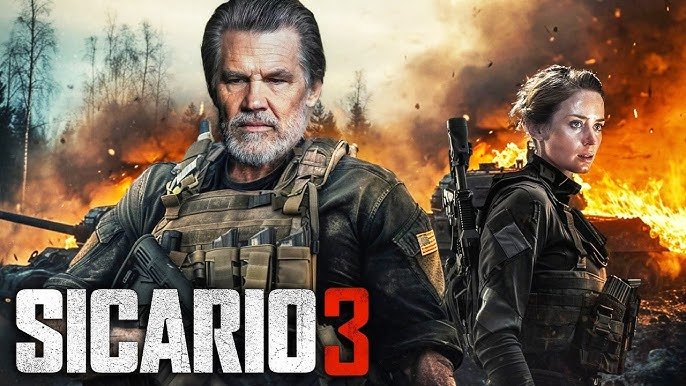
The film’s pacing is deliberate and merciless, allowing tension to seep into every quiet moment. Long stretches of silence are used as weapons, making the audience hyper-aware of every movement, every glance, every breath before chaos erupts. When violence does arrive, it is swift, shocking, and disturbingly realistic, never stylized for entertainment. These sequences don’t exist to thrill, but to unsettle, reinforcing the idea that violence here is not heroic, but corrosive, stripping away humanity one brutal act at a time.
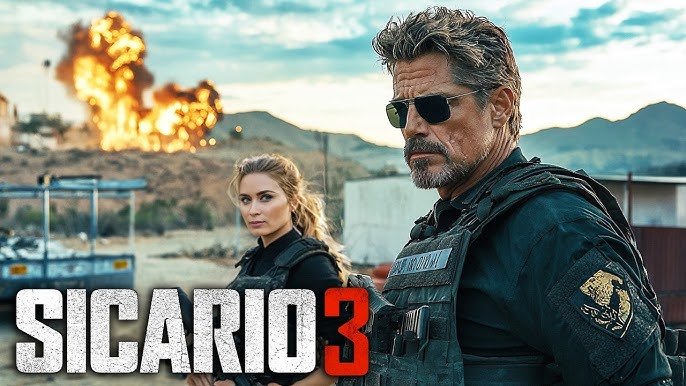
Visually, Sicario 3 is stunning in its bleakness. The cinematography captures vast deserts, decaying border towns, and cold, sterile interiors with equal precision, creating a world that feels both expansive and claustrophobic. The landscape itself becomes a character, indifferent and unforgiving, mirroring the emotional emptiness of those who operate within it. The muted color palette and shadow-heavy compositions amplify the film’s sense of dread, making even daylight scenes feel threatening and morally ambiguous.
What truly elevates the film is its thematic depth. Beyond the action and suspense, Sicario 3 interrogates the illusion of control—how governments, cartels, and individuals alike convince themselves they are shaping outcomes, when in reality they are merely reacting to forces larger than them. The film questions whether redemption is possible for someone who has become a tool of endless violence, or whether the price of survival in this world is the permanent loss of one’s soul. These ideas linger long after the credits roll, giving the story an emotional weight that goes far beyond its plot.

By the time Sicario 3 reaches its devastating conclusion, it feels less like the end of a trilogy and more like a grim statement about the futility of war without morality. The film doesn’t offer closure or comfort; instead, it leaves the audience with a haunting sense of inevitability, as if the cycle will continue with or without the characters we’ve followed. Bold, uncompromising, and relentlessly tense, Sicario 3 stands as a powerful, unsettling chapter that deepens the franchise’s legacy and cements it as one of the most morally complex crime sagas in modern cinema.