
SPARTACUS: HOUSE OF ASHUR (2025–2026)

February 15, 2026
Set in a brutal alternate timeline of Ancient Rome, Spartacus: House of Ashur (2025–2026) resurrects one of the most cunning and despised figures of the original saga and dares to ask a dangerous question: what if Ashur had never died? From the very first moments, the series establishes a darker, more politically charged tone, where survival is not earned through honor but through manipulation, deception, and calculated ambition. Ashur, once a scheming survivor in the shadow of greater warriors, now stands at the center of power after being rewarded with control of a gladiator school, transforming from servant to dominus in a world that feeds on blood, loyalty, and betrayal. The narrative wastes no time immersing viewers in a Rome that feels decadent, ruthless, and intoxicatingly alive, where every alliance is fragile and every smile hides a blade.
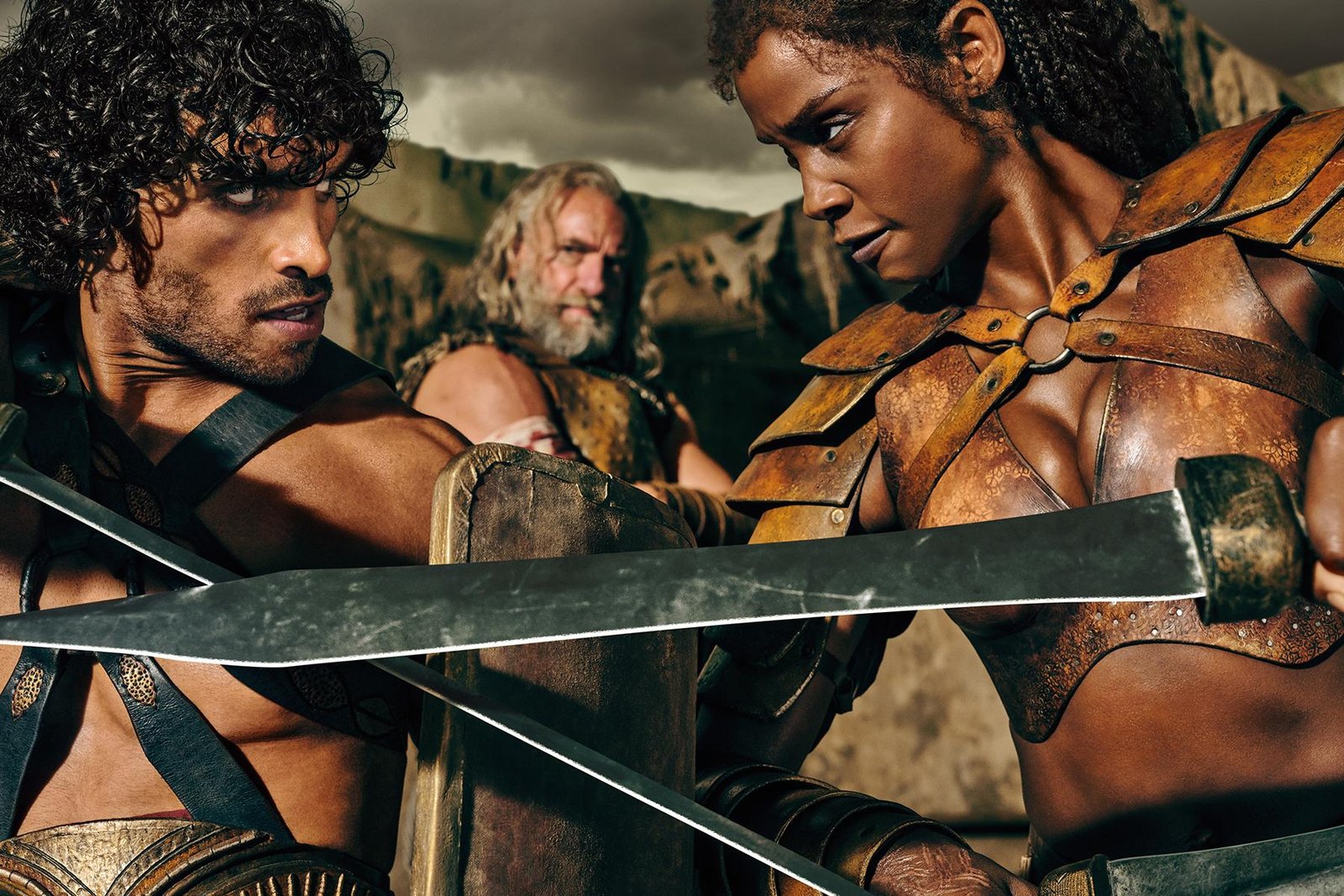
What makes the story immediately compelling is how it reframes the gladiator arena—not just as a place of spectacle, but as a chessboard of human ambition. Ashur is not a traditional hero; he is calculating, opportunistic, and morally ambiguous, which gives the plot a fascinating psychological edge. Instead of glorifying rebellion like the original Spartacus arc, this series explores the anatomy of power from the perspective of a man who thrives within corruption. His rise to dominance is not built on strength, but on intellect and survival instincts, and this shift in perspective creates a tense, unpredictable narrative where victory often comes at the cost of one’s humanity. Every political deal, whispered conspiracy, and staged fight feels like part of a larger strategy, turning the story into a slow-burning game of dominance rather than a simple tale of revenge.

The introduction of new gladiators, especially the fierce and emotionally layered Achillia, adds a fresh emotional dimension to the series. Her journey as a gladiatrix in a male-dominated arena is portrayed with raw intensity, blending trauma, resilience, and ambition into a character who refuses to be reduced to spectacle. Through her struggles, the show deepens its themes of identity and survival, contrasting Ashur’s manipulative ascent with a warrior’s more visceral fight for dignity. Their dynamic is electric—part alliance, part rivalry, part mutual necessity—creating moments of tension that are as gripping as the arena battles themselves. The emotional undertones beneath the violence elevate the narrative, making each duel feel like a personal reckoning rather than just entertainment for Roman elites.

Visually and tonally, the series embraces the signature excess that defined the Spartacus universe while evolving into something more mature and politically intricate. Lavish Roman interiors, blood-soaked arenas, and shadowy corridors of power create an atmosphere thick with danger and decadence. The action sequences are brutal, stylized, and visceral, yet they never overshadow the story’s deeper themes of manipulation, loyalty, and legacy. Violence here is not merely spectacle—it is currency, reputation, and control. The cinematography lingers on the consequences of power, showing that behind every victory in the arena lies a quieter battle in the corridors of influence.

As the episodes progress, the plot becomes increasingly layered, weaving together personal vendettas, Roman politics, and the fragile hierarchy of the ludus. Ashur’s leadership is constantly challenged by gladiators who despise him, nobles who distrust him, and rivals who seek to exploit his past. This constant pressure builds a narrative tension that never truly releases, making each episode feel like a ticking time bomb. The show excels at moral ambiguity, forcing viewers to question whether Ashur is a villain reshaping destiny or simply a survivor refusing to be forgotten by history. His internal conflict—between paranoia, ambition, and a desperate need for validation—adds unexpected emotional depth to a character once defined solely by treachery.
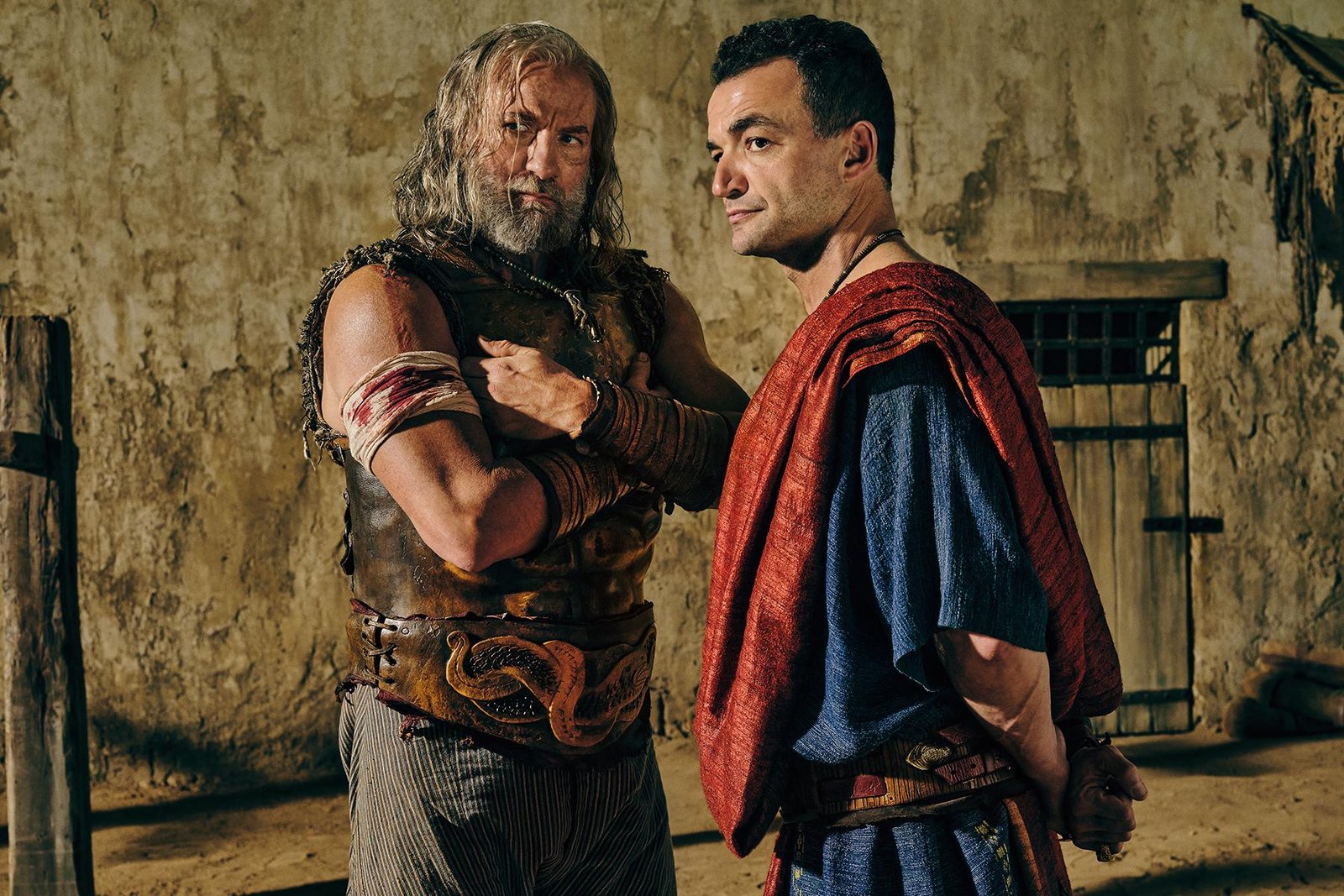
By the time the story reaches its later arcs, Spartacus: House of Ashur evolves into more than a spin-off; it becomes a bold reimagining of legacy, power, and fate within the Spartacus universe. The series dares to challenge the myth of heroism by centering its narrative on a man who was never meant to be redeemed, only to reveal that even the most reviled figures can shape history in profound ways. The result is a gripping, provocative, and intensely dramatic saga that blends political intrigue, emotional trauma, and savage spectacle into a narrative that feels both familiar and daringly new. Rather than simply revisiting the glory of past rebellions, it explores the cost of surviving them—leaving audiences with a haunting reflection on whether power gained through betrayal can ever truly bring freedom.