
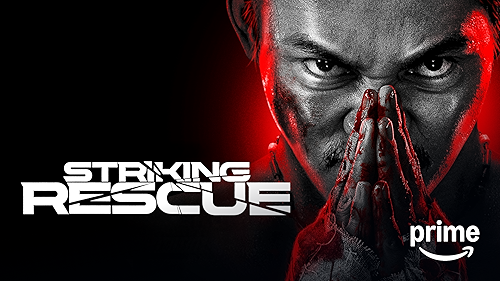
STRIKING RESCUE 2: CROSSFIRE
January 14, 2026
STRIKING RESCUE 2: CROSSFIRE explodes onto the screen with an intensity that grabs you from the very first frame, thrusting veteran warrior Bai An back into a world of violence and moral ambiguity where every alleyway could spell danger and every shadow hides an enemy. In this sequel, the stakes are raised higher than ever as Bai An is pulled out of reluctant retirement by a wave of terror sweeping across Southeast Asia’s lawless borderlands, where a ruthless syndicate has resurfaced with brutal new power and ambition. From the snow-capped mountain passes to the burning urban labyrinths, the film’s setting becomes a character in itself — a vast, volatile landscape where chaos reigns and the lines between friend and foe blur with every step he takes.
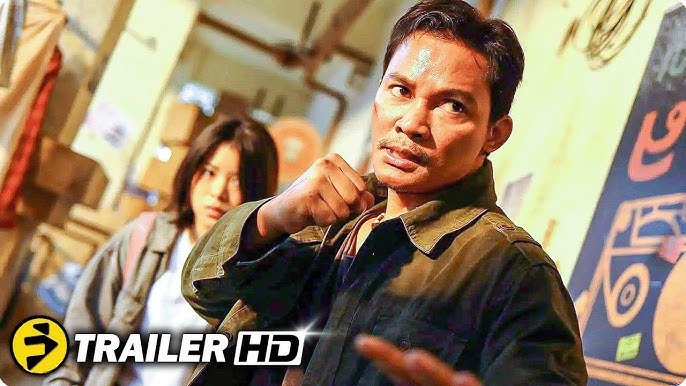
The emotional core of the movie stays rooted in Bai An’s haunted past, his pain barely concealed beneath a hardened exterior, making every punch and kick a release of long-buried anguish. Director Chen Si Yu crafts scenes that are not just visually explosive but emotionally resonant, giving Bai An moments of quiet reflection between brutal confrontations that remind us why he fights — not for glory, but for a sense of justice that has long eluded him. His internal struggle adds a layer of depth to the non-stop action, making CROSSFIRE feel like more than just another sequel, but a personal odyssey of redemption and reckoning.
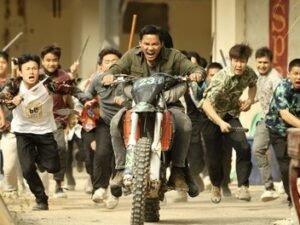
Action sequences in CROSSFIRE redefine what modern martial arts cinema can achieve, blending kinetic choreography with raw, visceral realism that never feels contrived or artificial. The film’s fight design seamlessly merges close-quarters combat, large-scale shootouts, and improvised weaponry, creating a tapestry of dynamic battles that are both inventive and brutally satisfying. Each encounter feels crafted with purpose, whether it’s a slow, tension-filled face-off in a derelict warehouse or a sprawling chase through broken city streets where every corner hides a new threat. The pacing is relentless, pulling you deeper into Bai An’s journey with the urgency of a heartbeat that refuses to slow.
Supporting characters — from hardened mercenaries to reluctant allies with their own secrets — enrich the narrative without ever stealing the spotlight, adding shades of loyalty and betrayal that keep the audience guessing. These complex relationships heighten the tension and give weight to the alliances Bai An forms, turning what could have been a straightforward vengeance plot into a multifaceted conflict in which trust is both a weapon and a weakness. Every interaction crackles with subtext, revealing how survival in this crossfire demands more than just physical strength.
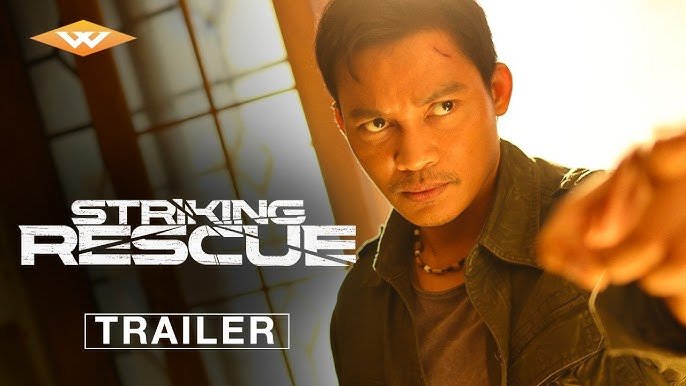
Despite its heavy focus on action, the film also poses subtle questions about the cost of violence and the weight of personal loss, challenging both Bai An and the audience to consider what true victory might look like in a world defined by endless war and shifting loyalties. This thematic undercurrent elevates CROSSFIRE beyond simple spectacle, inviting you to reflect on the sacrifices made by those who choose to stand against overwhelming odds. It’s a cinematic experience that resonates long after the credits roll, leaving a lasting impact that lingers like the echo of a distant explosion.
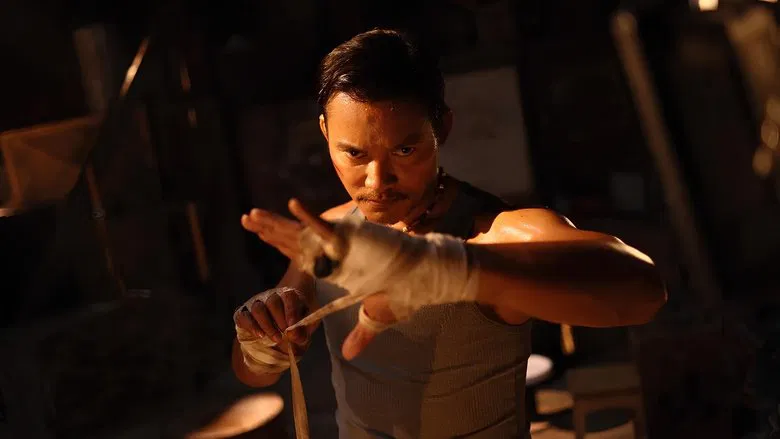
Ultimately, STRIKING RESCUE 2: CROSSFIRE delivers an unforgettable ride for fans of martial arts, gritty thrillers, and character-driven drama alike. It balances breathtaking choreography with emotional power, crafting a story that feels both vast in scope and deeply personal. From its electrifying opening to its heart-pounding finale, this film proves that when you’re caught in the crossfire, survival is only half the battle — finding purpose in the chaos is what truly defines a hero.