
The Dance of the 41 (2020)

December 30, 2025
The Dance of the 41 (2020) unfolds as a lush, provocative period drama that peels back the polished surface of Porfirian-era Mexico to reveal a world trembling with desire, secrecy, and power. At its center is Ignacio de la Torre, a man married into political prestige yet emotionally adrift, trapped between public expectation and private truth. From the opening moments, the film establishes an atmosphere of opulence shadowed by repression, where ballrooms glitter while whispers of scandal slither through corridors. The story immediately grips by presenting a society obsessed with appearances, inviting the viewer into a beautifully dressed cage where every smile is rehearsed and every gesture carries risk.
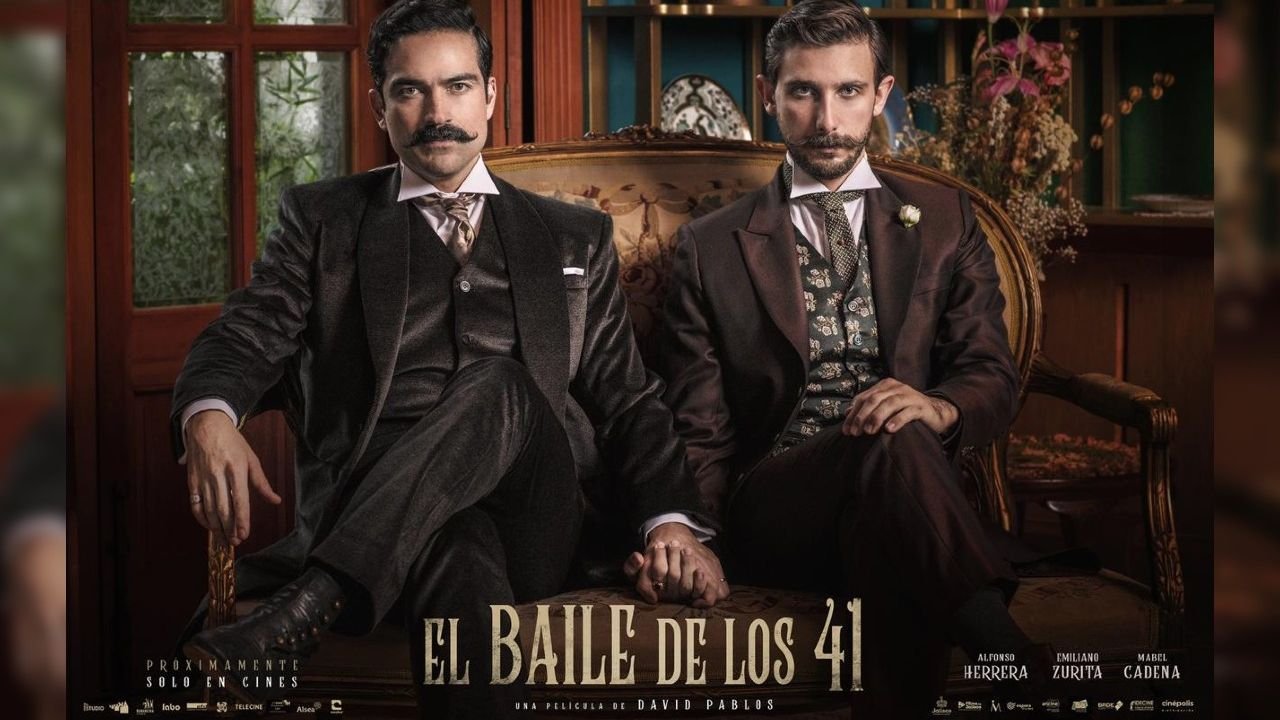
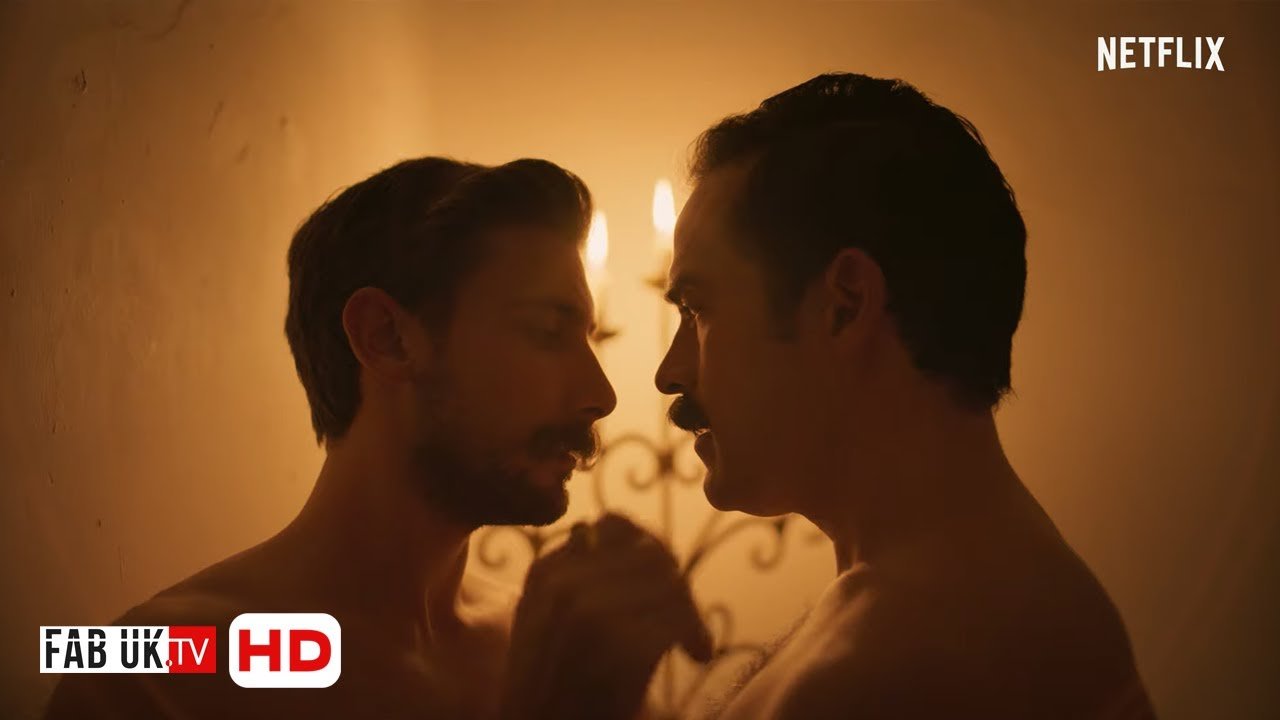
As Ignacio’s inner conflict deepens, the narrative introduces the clandestine gatherings of the so-called “41,” a group of men who carve out fleeting freedom through dance, costume, and forbidden intimacy. These scenes are electric, not merely for their sensuality but for their emotional honesty; they feel like stolen breaths in a suffocating world. The contrast between the rigid masculinity demanded by society and the tenderness shared in private becomes the film’s beating heart. Rather than sensationalizing these encounters, the film treats them as acts of survival, moments where identity can exist without apology, even if only for a night.
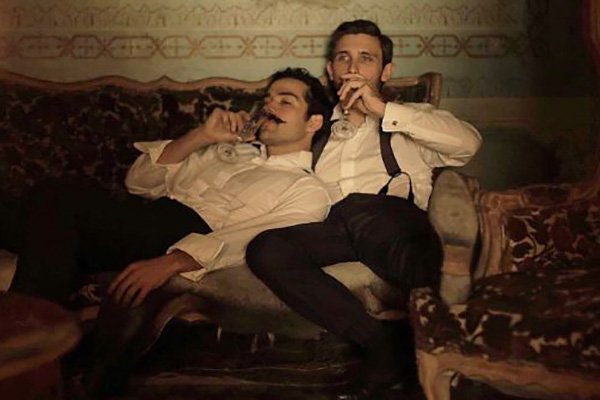
The emotional core of the film intensifies through Ignacio’s marriage, which is portrayed not as simple villainy or deception, but as a tragic collision of duty and denial. His wife is not merely an obstacle but another casualty of a system that values status over sincerity. The film excels at showing how repression radiates outward, damaging everyone it touches, regardless of gender or desire. This layered portrayal prevents the story from becoming a one-note tragedy and instead turns it into a complex meditation on how power structures distort love, loyalty, and selfhood.
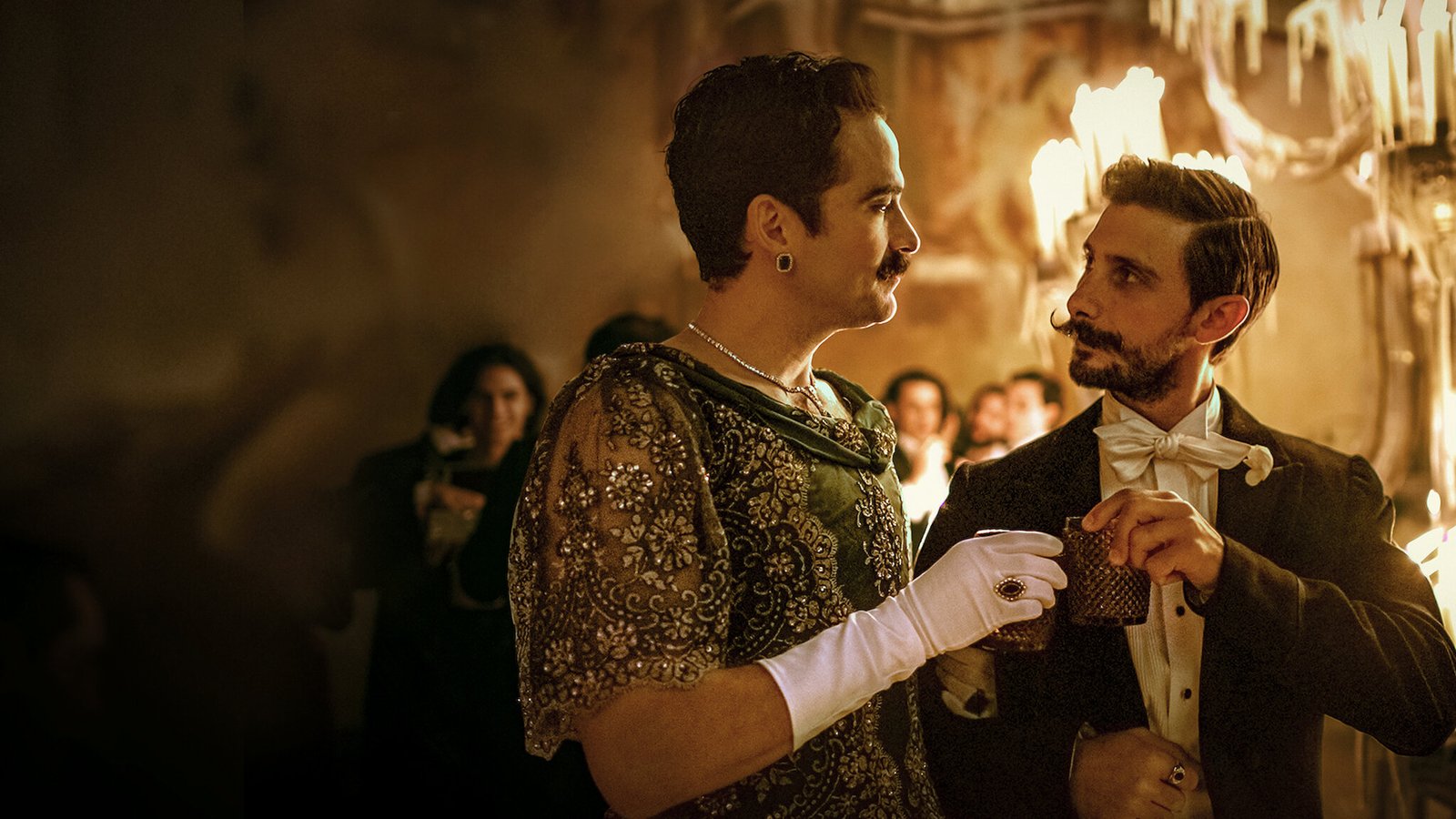
Visually, the film is intoxicating, using rich colors, candlelit interiors, and meticulous costume design to mirror the duality of its characters’ lives. Dance becomes a language of rebellion, each movement charged with defiance and longing. The camera lingers not to exploit, but to witness, allowing intimacy to feel fragile and urgent. Silence is used as effectively as dialogue, often saying more about fear and yearning than words ever could. The aesthetic beauty never distracts from the pain beneath it; instead, it sharpens it.
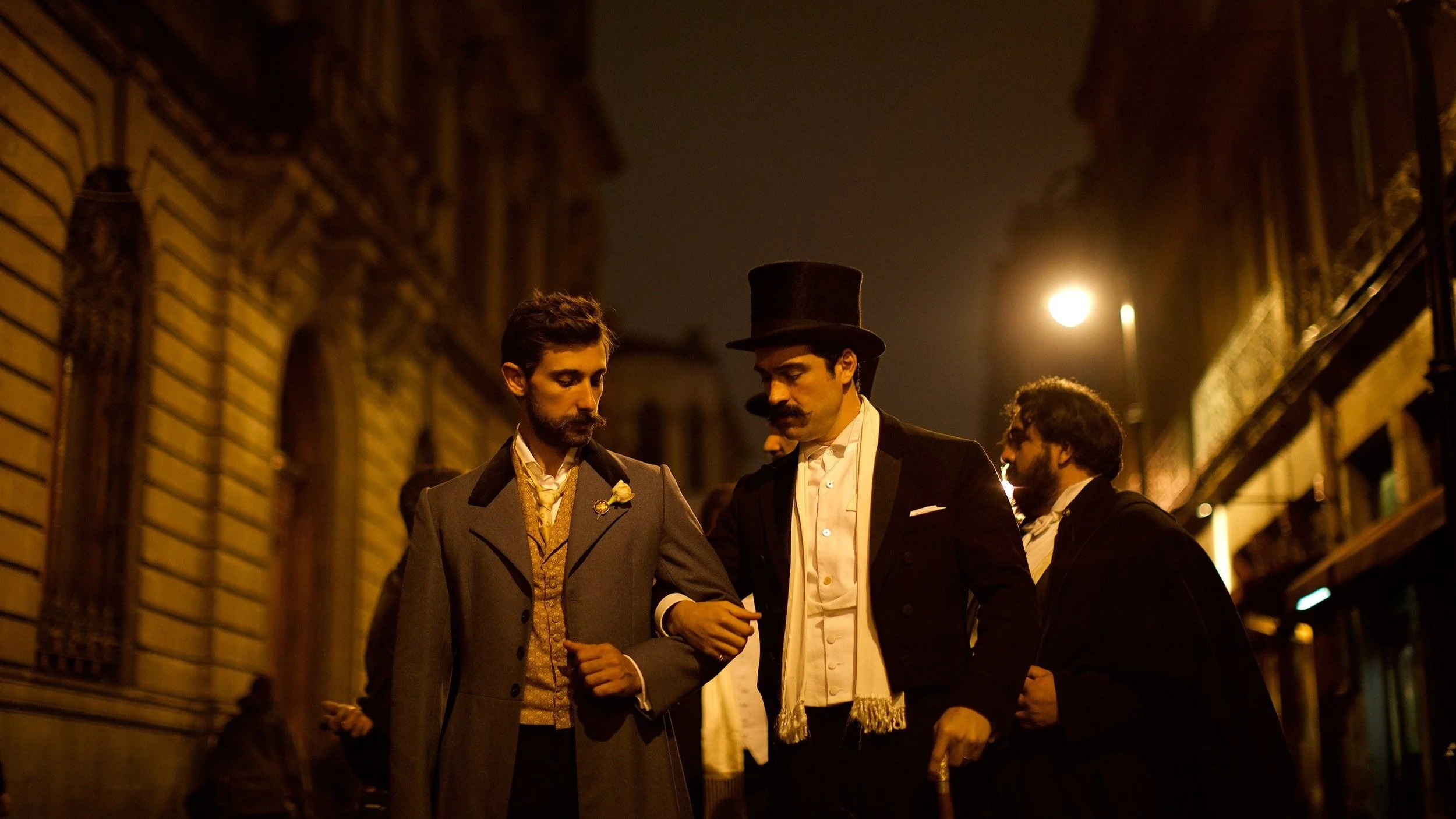
As the story moves toward its inevitable reckoning, tension tightens with a quiet, devastating force. The threat of exposure looms constantly, turning joy into something dangerous and temporary. When repression finally strikes back, it does so not with melodrama but with cold authority, emphasizing how merciless systems can be when challenged. The fallout is deeply affecting, not because it is shocking, but because it feels tragically inevitable in a world designed to crush difference.
In the end, The Dance of the 41 is more than a historical drama; it is a haunting reflection on identity, courage, and the cost of living a lie. It honors the resilience of those who dared to exist authentically in a time that denied them language, safety, and dignity. Long after the final scene fades, the film lingers as a reminder that history is filled not only with revolutions and leaders, but with quiet acts of defiance performed in the shadows, where a single dance could mean both freedom and ruin.