
The Haunting of Maplewood Manor (2026)
February 24, 2026
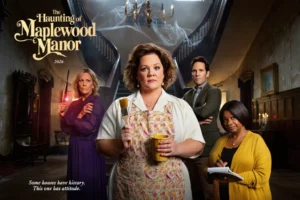
The Haunting of Maplewood Manor (2026) is a deliciously eerie ride that begins with an innocent dream and slowly descends into a labyrinth of secrets, grief, and restless spirits that refuse to be forgotten. The story follows Linda Harper, a financially desperate yet stubbornly optimistic woman who inherits the grand but decaying Maplewood Manor, believing it to be her last chance at rebuilding her life. What first appears to be a charming, old-fashioned estate quickly reveals itself as something far more unsettling—doors creak without wind, chandeliers sway in empty halls, and whispers echo through corridors as if the house itself is alive and watching. From the very first night, the manor establishes a haunting presence, not through cheap scares, but through a suffocating atmosphere that makes every shadow feel intentional and every silence feel loaded with meaning.
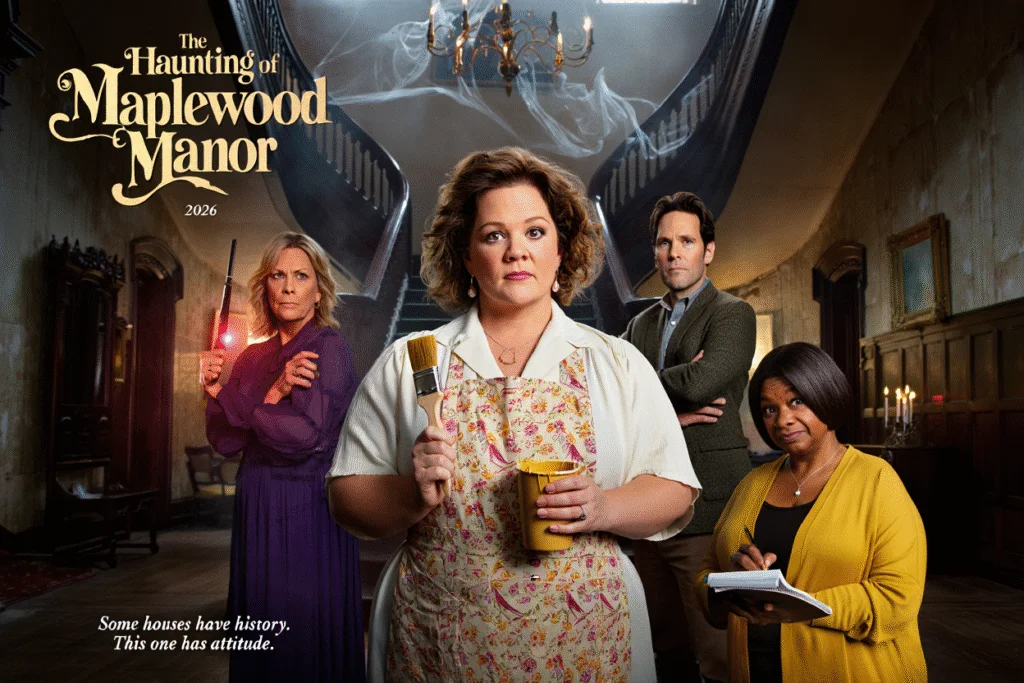
As Linda attempts to settle into the manor, the film cleverly blends tension and character-driven humor, using her denial as both emotional armor and narrative fuel. Rather than immediately succumbing to fear, she rationalizes every supernatural occurrence, insisting the flickering lights and moving objects are simply the quirks of an old house. This psychological resistance makes the hauntings more effective, because the audience witnesses the gradual erosion of her logic. When paranormal specialist Dr. Eleanor Graves enters the story, the tone deepens, transforming the haunting from random chaos into a layered mystery rooted in the manor’s dark past. The investigation reveals that the house is not haunted by a single entity, but by a collection of spirits tied to a tragic scandal dating back to the 1890s—an era marked by betrayal, repression, and emotional cruelty that seeped into the foundation of the estate.
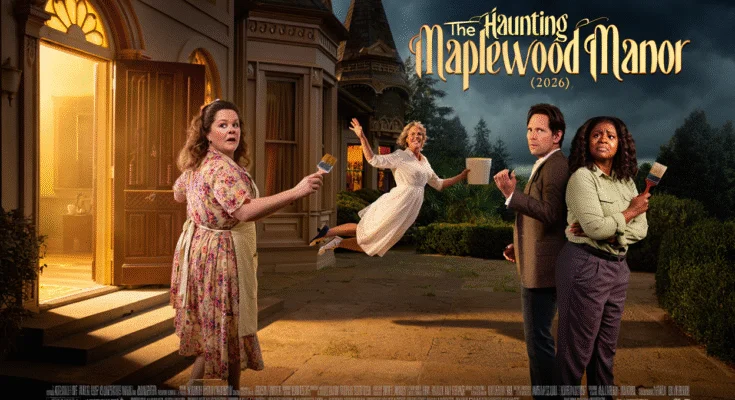
The narrative grows richer as each ghost is given personality rather than serving as a faceless horror trope. Some spirits are mischievous, rearranging furniture or mimicking voices, while others carry an eerie sorrow that suggests they are trapped in unresolved emotional loops. One of the most haunting elements of the film is the idea that the ghosts are not purely malevolent; they are dramatic, wounded, and strangely human, making their presence more disturbing than monstrous apparitions ever could. The manor becomes a character in itself, reacting to the emotional states of the living, tightening its grip whenever hidden truths inch closer to the surface. The wine cellar sequence stands out as a pivotal turning point, where skepticism shatters and the supernatural reveals its full intensity in a scene that is both tense and darkly comedic.
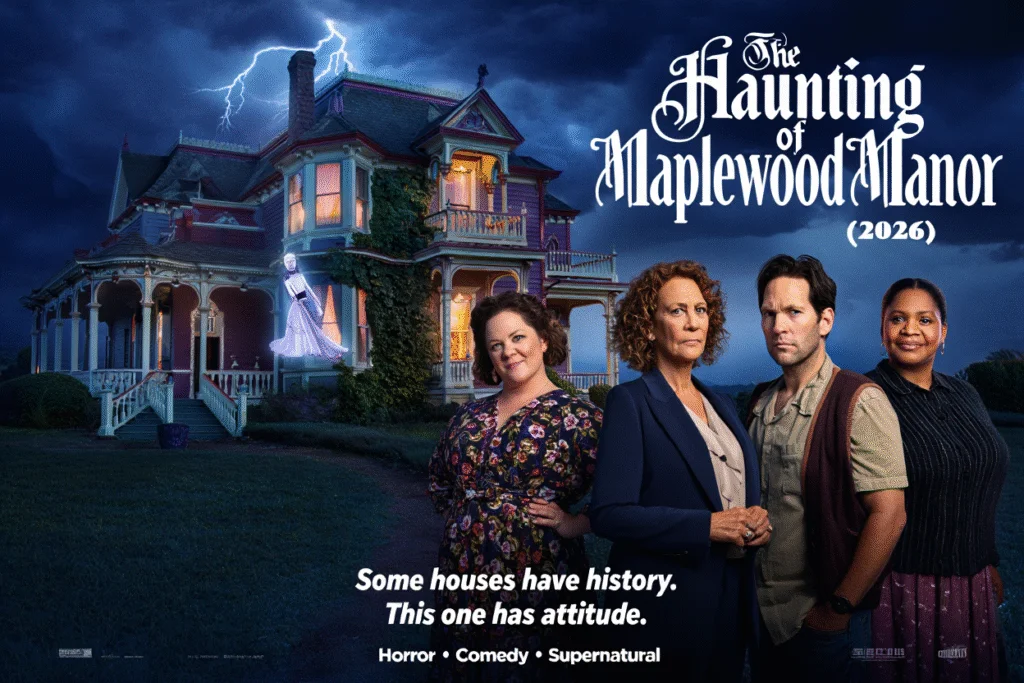
Midway through the film, the story shifts from light paranormal curiosity into genuine psychological horror as the team uncovers diaries and fragmented memories hidden within secret compartments of the house. These revelations expose a long-buried story of love, jealousy, and social scandal that ended in tragedy, binding the souls of former residents to the manor’s walls. The pacing becomes increasingly suffocating, with longer silences, dim candlelit hallways, and slow camera movements that amplify dread rather than relying on jump scares. The ghosts begin interacting more aggressively, not out of rage, but out of desperation, as though begging to be acknowledged after decades of emotional imprisonment. This shift gives the film an unexpectedly emotional core beneath its supernatural surface.
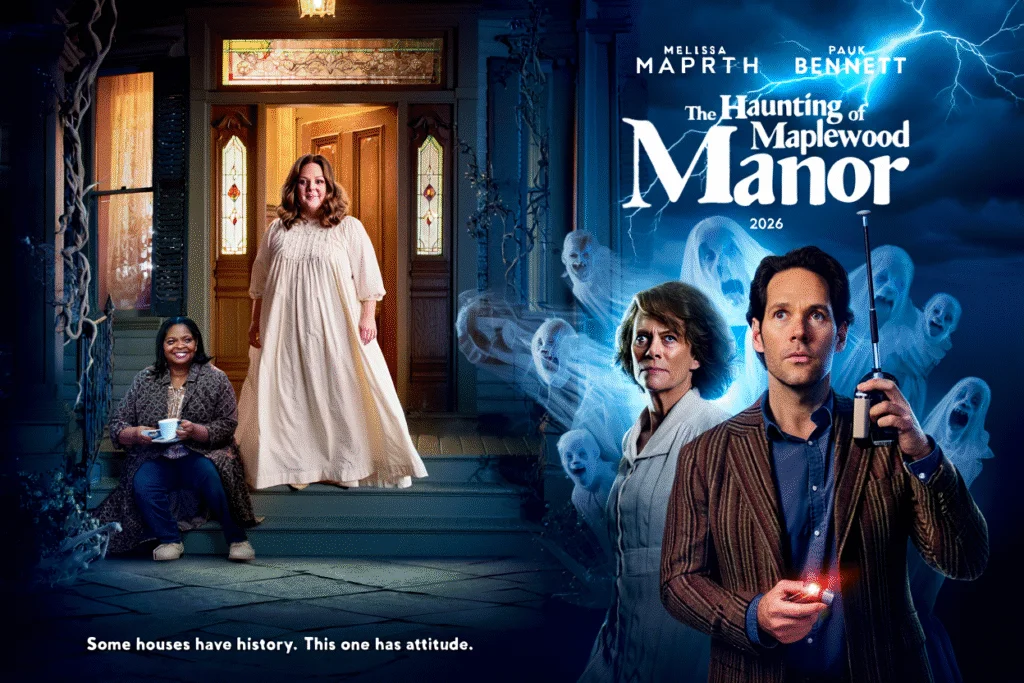
The third act intensifies the stakes as the hauntings escalate from unsettling to dangerous, forcing Linda to confront not only the manor’s history but also her own unresolved trauma. The improvised exorcism sequence is chaotic, tense, and surprisingly heartfelt, blending nervous humor with genuine fear as conflicting beliefs and emotional breakdowns collide in the middle of a supernatural storm. Instead of a clean resolution, the film embraces emotional closure as its true climax, suggesting that the house feeds on suppressed memories and unfinished stories. Every revelation feels earned, and each spirit’s backstory adds depth rather than distraction, culminating in a confrontation that is as emotional as it is terrifying.
By the time the final moments unfold, The Haunting of Maplewood Manor transforms from a simple haunted-house tale into a poignant exploration of memory, grief, and the lingering weight of the past. The manor is no longer just a cursed location but a symbolic space where unresolved emotions manifest as literal ghosts, blurring the line between psychological and supernatural horror. The ending lingers quietly rather than explosively, leaving viewers with an unsettling realization that some hauntings are not about vengeance, but about being heard. It is this emotional resonance—wrapped in atmospheric tension, subtle humor, and layered storytelling—that makes the film feel haunting long after the screen fades to black.