
THE MADISON (2026)

March 9, 2026
The Madison begins as a quiet breath of cinematic air, drawing you into the broken world of Stacy Clyburn, whose life in Manhattan once sparkled with privilege and success before being shattered by a sudden family tragedy. The shift from the busy streets of New York to the sprawling, untamed beauty of Montana’s Madison River Valley feels like a rebirth — a deliberate contrast that mirrors Stacy’s internal unraveling and her tentative journey toward healing. From its first moments, the film’s tone balances stark realism with poetic introspection, inviting the audience deep into the fragile space between loss and hope.
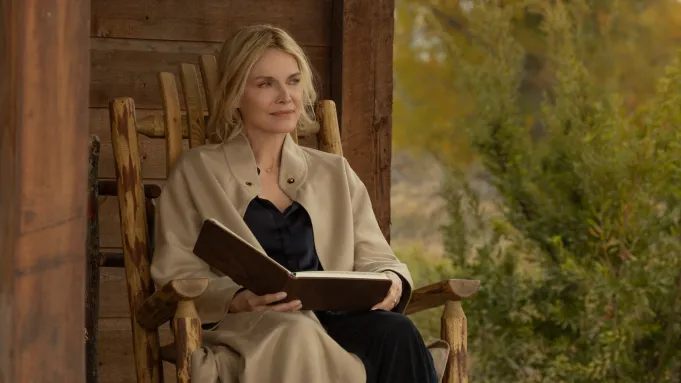
As Stacy and her husband Preston try to forge a new life far from the reminders of their old life, The Madison unfolds into a tender study of grief’s many faces. The storytelling is intimate and patient, lingering on small, telling details: a hand trembling over coffee, the way silence fills a room heavy with unspoken sorrow, and the vast, echoing quiet of the Montana landscape that both comforts and isolates. These layers of quiet emotion build steadily, creating a narrative rhythm that is less about dramatic plot twists and more about the raw truth of healing.
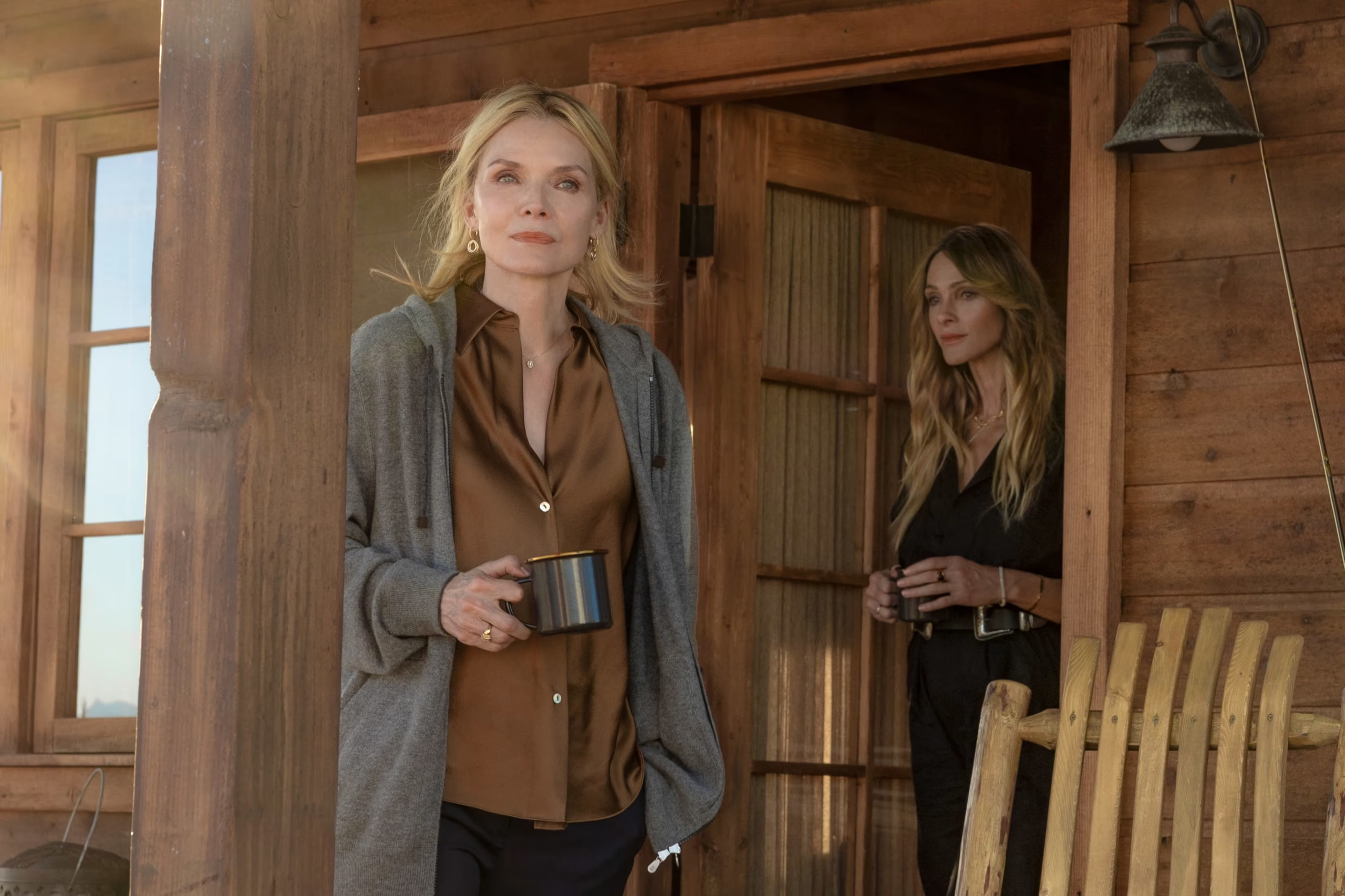
The heart of the film lies in its characters, their vulnerabilities laid bare with astonishing honesty. Stacy’s connection with a thoughtful therapist challenges her to confront what she’s buried deep inside, while her interactions with the local community slowly stitch together new threads of belonging. Conversations are often unsaid yet deeply felt, and the performances carry a weight that resonates long after scenes fade. What could have been a melodramatic arc instead feels grounded, heartfelt, and deeply human.

Critically, The Madison does not rush its emotional journey — it embraces it. There are moments of delicate beauty that cut straight to the core, such as watching Stacy stand by a river’s edge, tears mingling with the cold current, symbolizing both loss and the persistence of life moving forward. These scenes weave a visual poetry that transforms the Montana setting into a character itself: wild, unpredictable, and breathtakingly real. The film’s measured pacing allows audiences to settle into its world, encouraging reflection rather than distraction.
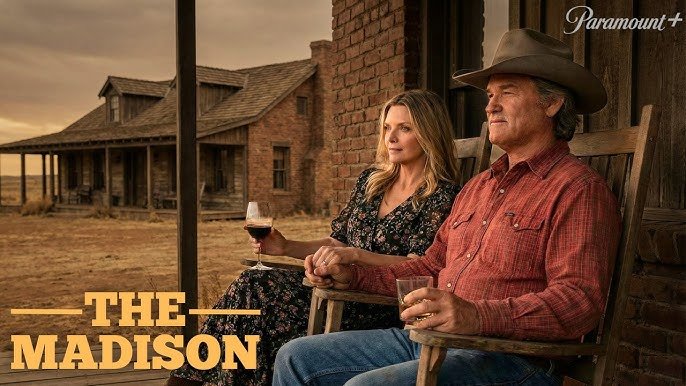
Yet it is in the relationships that The Madison truly shines. The bonds between family members, strained and reshaped by grief, reveal complexities that feel deeply recognizable. Shared memories become bittersweet guides, pushing each character to redefine what it means to love and to endure. Supportive friendships forged in the unlikeliest corners become sources of subtle joy and quiet resilience, turning the narrative into something uplifting without ever sugarcoating the pain at its core.

By the final act, The Madison leaves you with a sense of profound connection — not just to the characters, but to your own quiet struggles and triumphs. It is a film that refuses to offer easy answers, choosing instead to reflect the messy, beautiful truth of healing. What you walk away with is not just a story about loss, but a tribute to the strength found in vulnerability and the hope that arises when people open their hearts again. The Madison is an unforgettable journey, one that stays with you long after the credits roll.