
The Passenger (2026) – First Trailer

February 15, 2026
The Passenger (2026) emerges as a chilling, nerve-tightening horror experience that immediately hooks the viewer with a deceptively simple premise before spiraling into something far more sinister and psychologically disturbing. The film follows a young couple on what begins as a liberating van-life journey across vast, lonely highways — a road trip meant to symbolize freedom, healing, and escape from their past. But everything fractures the moment they witness a horrific roadside accident, an event so sudden and brutal that it imprints itself into their minds like a scar. From that instant onward, the atmosphere shifts from quiet realism to creeping dread, as if the road itself has become cursed and every mile traveled pulls them deeper into an unseen nightmare.
What makes the story so gripping is how the horror doesn’t immediately explode into chaos but instead seeps in slowly, almost invisibly. At first, the couple believes the trauma of the accident is simply playing tricks on their perception — strange sounds at night, fleeting silhouettes in the rearview mirror, and the growing sensation that they are never truly alone. The film masterfully builds tension through isolation: endless highways, desolate campsites, and empty gas stations that feel eerily detached from reality. The psychological pressure mounts as the presence stalking them becomes more persistent, more deliberate, and far more intelligent than any ordinary threat.
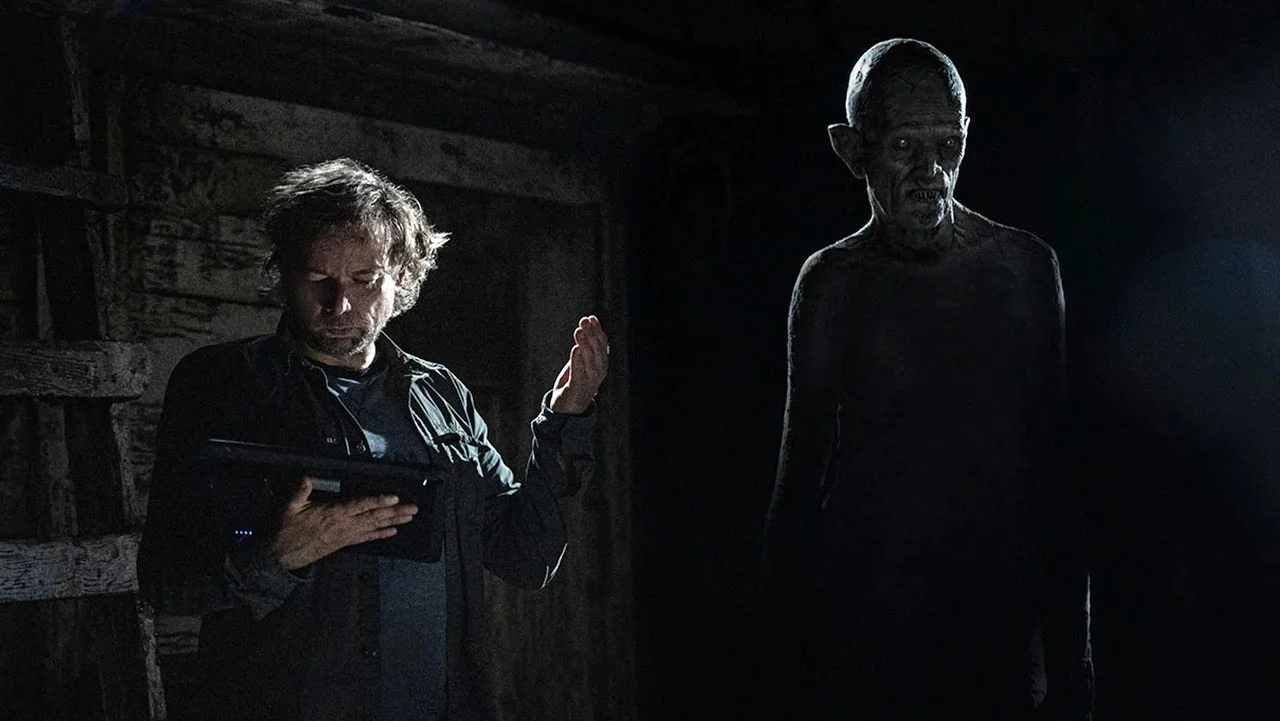
As the narrative deepens, the film transforms into a haunting chase against something that cannot be outrun, explained, or reasoned with. The entity following them is not just a physical pursuer but a manifestation of dread itself — always present, always watching, and always one step closer no matter how fast they drive or how far they flee. Every attempt to escape only tightens the invisible grip around their lives, creating a suffocating sense of inevitability. The screenplay plays brilliantly with paranoia, blurring the line between supernatural terror and psychological breakdown, making the audience question whether the horror is external… or something born from guilt and trauma.

Emotionally, the film thrives on the unraveling relationship between the two protagonists. What begins as love and mutual support slowly fractures into fear, suspicion, and desperation. Their conversations become sharper, their silences heavier, and their trust increasingly fragile as the haunting intensifies. The road trip setting becomes symbolic — not a journey forward, but a descent into psychological collapse. Each argument, each sleepless night, and each encounter with the mysterious stalker pushes them closer to emotional and mental exhaustion, making their fear feel painfully human and deeply relatable.
Visually, The Passenger is imagined as a masterclass in atmospheric horror, using darkness, headlights, and wide-open landscapes to amplify loneliness and dread. The contrast between the freedom of the open road and the claustrophobic terror inside the van creates a constant tension that never fully releases. Long, quiet shots are suddenly shattered by shocking, unpredictable moments, giving the film a pulse that feels alive and dangerously unstable. The haunting score and eerie sound design heighten every subtle movement, making even the smallest noise feel like a warning of something lurking just beyond sight.

By the time the story reaches its climax, the film evolves into a relentless psychological nightmare where survival is no longer just about escaping a pursuer, but confronting the terrifying truth behind why they are being followed in the first place. The ending, imagined as ambiguous and deeply unsettling, refuses to offer easy answers, leaving viewers with lingering questions about fate, guilt, and the inescapable consequences of a single tragic moment. The Passenger (2026) ultimately feels less like a conventional horror film and more like a slow-burning descent into dread — a haunting cinematic journey where the scariest realization is that some passengers are never meant to be left behind.