
Twilight’s Kiss (2019)

December 21, 2025
“Twilight’s Kiss” is one of those rare films that quietly creeps into your heart, not with loud drama or explosive twists, but through the serene unfolding of two lives long hidden in the shadows. Set against the vibrant yet often unspoken backdrop of Hong Kong, the story follows Pak, a 70-year-old taxi driver who refuses to retire, and Hoi, a 65-year-old retired father, whose chance encounter in a park awakens memories, desires, and questions neither dared fully confront for decades. The way the film captures these ordinary men — with all their years of work, family, and private longing — feels deeply human, reminding us that love and self-discovery know no age.
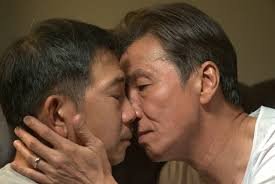
What makes this film so compelling is its devotion to character over spectacle. Rather than relying on melodrama, the narrative unfolds through simple moments — shared meals, quiet walks, glance-filled conversations — that reveal the depth of Pak and Hoi’s inner worlds. Their connection isn’t sudden or superficial; it is born from years of silent yearning, of lives lived by societal expectations and self-imposed rules. In every scene, you feel the weight of their histories, the complexity of their choices, and the fragile hope of a future that might finally be true to themselves.
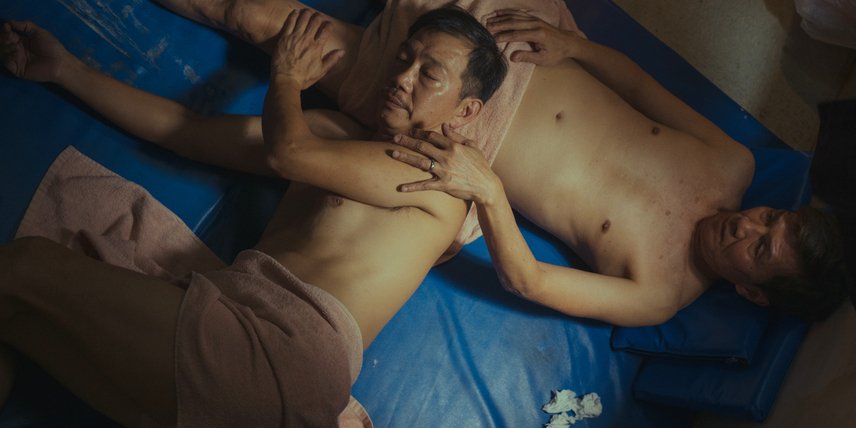
The performances are exquisite in their subtlety, bringing out layers of emotion without ever feeling forced. You find yourself drawn into the stillness of their world, where a lingering look can be more powerful than any spoken declaration. There’s an aching beauty in watching these two men navigate not just their feelings for each other, but the consequences their love could have on the families they’ve spent a lifetime building. It’s a narrative thread that resonates far beyond the screen, posing questions about duty, identity, and the courage to embrace one’s truth.
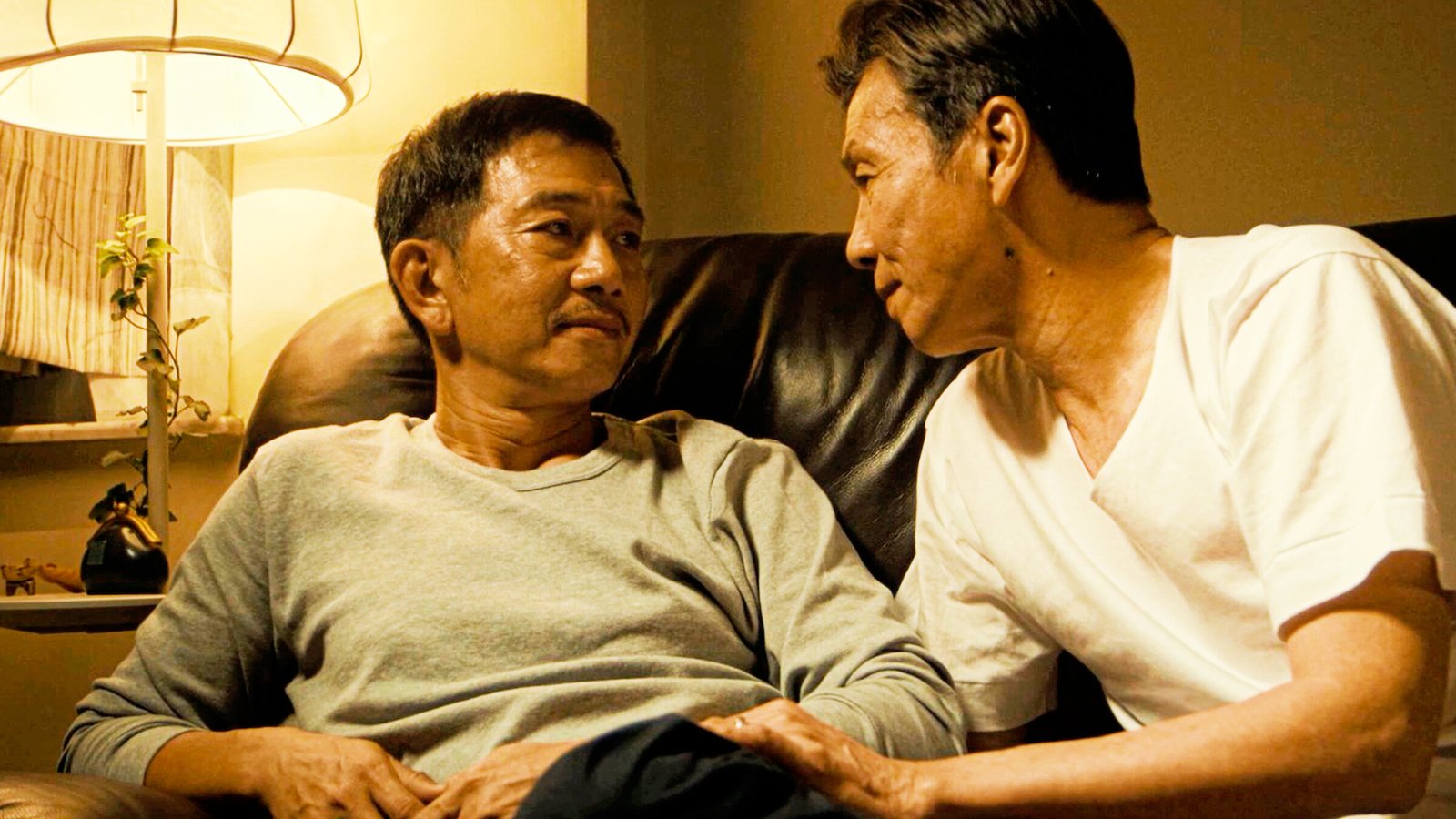
While the pacing is unhurried, almost meditative, this deliberate rhythm works in the film’s favor, allowing the audience to truly sit with Pak and Hoi’s struggles and triumphs. There are moments of tension, but they aren’t driven by external conflict; rather, they arise from the internal battles these characters wage with themselves as they grapple with fear, regret, and hope. The emotional richness of the story lies in these internal landscapes — in the silent battles fought in glances and pauses.
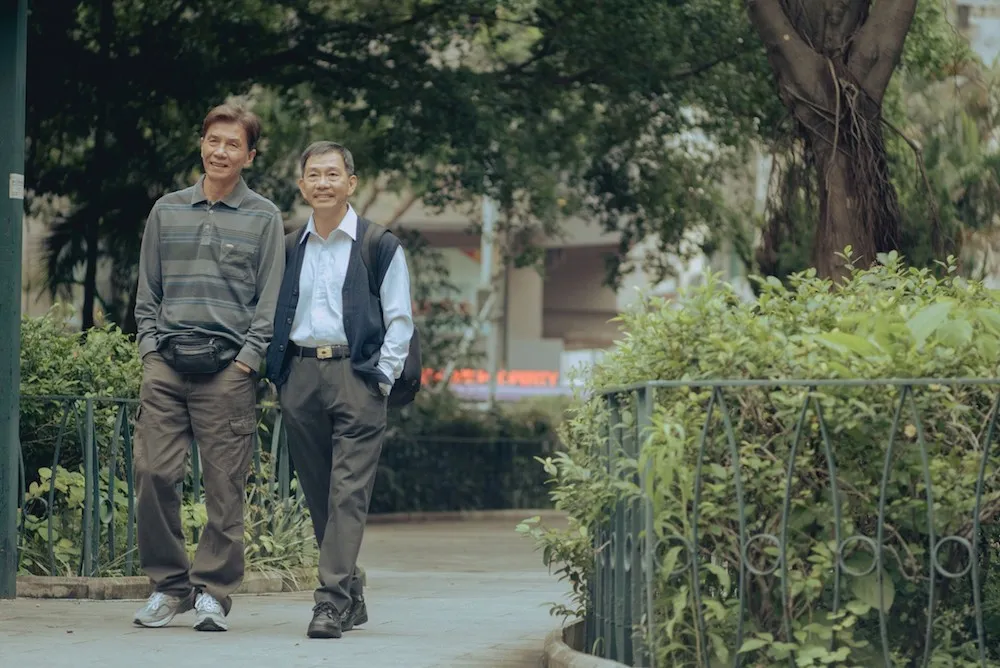
What stays with you long after the credits roll is the film’s tender exploration of love’s endurance and fragility. This isn’t a story of grand gestures or Hollywood romance; it’s a portrait of love in its most authentic form, growing quietly but persistently in the margins of ordinary life. It challenges the viewer to see beyond labels, to feel the universal longing for connection that persists regardless of age, history, or circumstance.

In the end, “Twilight’s Kiss” is a moving testament to second chances and the unexpected beauty that can still emerge late in life. It doesn’t provide all the answers — there’s ambiguity in its conclusion — but that’s exactly what gives it power. It invites reflection, empathy, and an appreciation of the quiet yet profound moments that shape our hearts, making it a film that stays with you and continues to unfold in your thoughts long after you’ve watched it.